The Role of Middleware in Cross Platform Support
13 May 2026
If you've ever played a game on your PC and then picked it up right from where you left off on your console or phone, you've experienced cross-platform magic. But have you ever stopped and wondered how that's even possible?
Spoiler alert: It's not actual magic—it’s middleware.
Middleware is kind of like the unsung hero of the gaming world. It works behind the scenes, making sure your game runs smoothly on different platforms without exploding in a flaming ball of coding chaos. Let’s dive into what middleware is, why it matters, and how it plays a crucial role in cross-platform support.
What the Heck is Middleware?
Alright, let’s break it down.Middleware is like the translator at a United Nations meeting. Each country (or in our case, platform—PS5, Xbox, PC, mobile, etc.) speaks a slightly different language. Middleware steps in to make sure everyone's on the same page, translating game code into something each platform can understand and run properly.
It sits between the game engine and the operating system of the device. It’s not the game itself, and it’s not the device—it’s the magical in-between layer that makes them play nice together.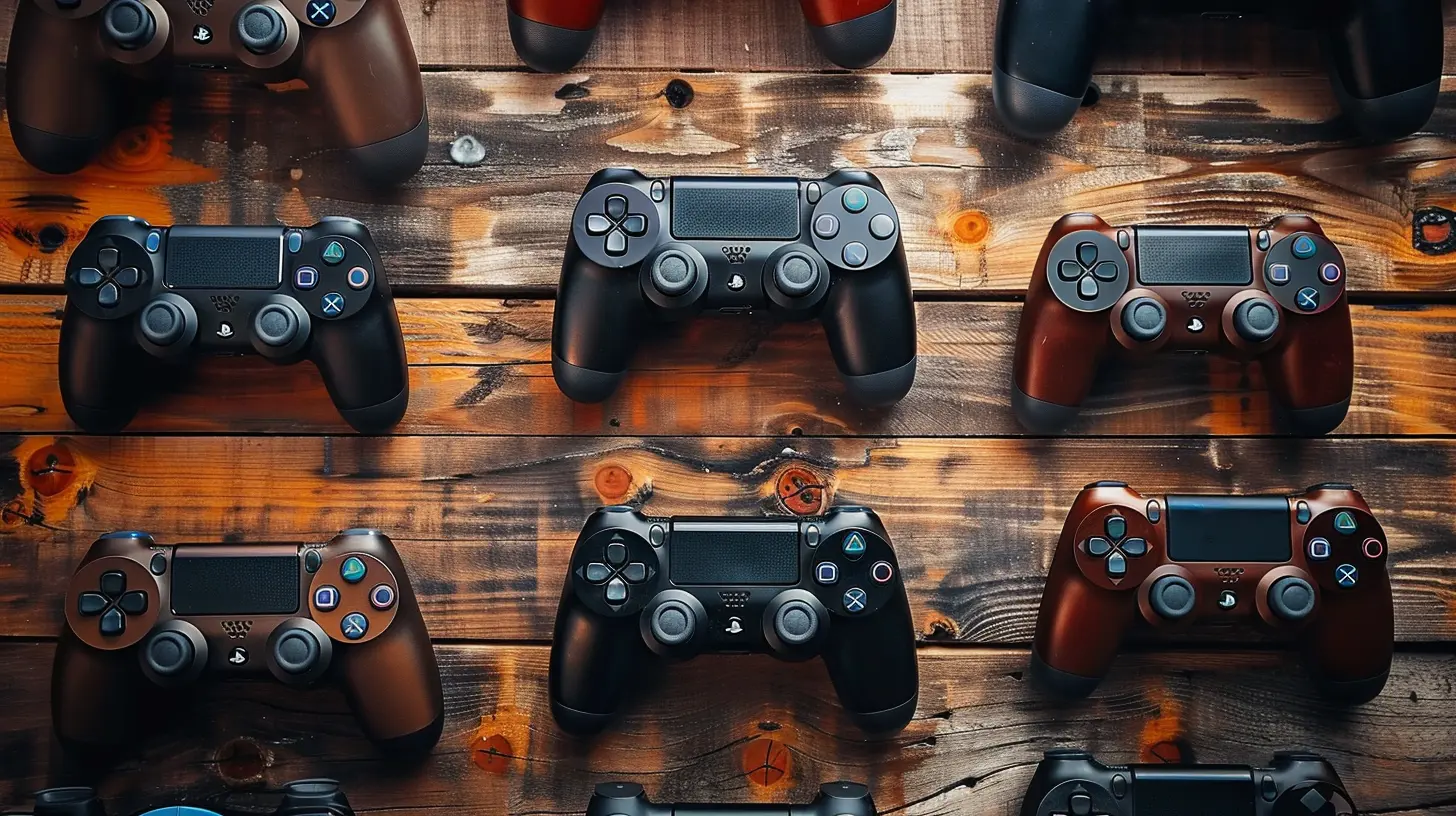
Why Middleware Matters for Cross-Platform Support
So you’re a game developer, and you've built this awesome game. But now you want it to run on PC, Xbox, PlayStation, Nintendo Switch, and maybe even mobile devices. Are you supposed to write completely different versions of the game for each platform? That’s a hard nope.Enter: Middleware.
This software layer allows developers to write code once and run (almost) everywhere. It provides tools, libraries, and APIs that abstract hardware-specific features, so the game doesn’t need to know the nitty-gritty details of each platform.
Imagine you’re trying to find your favorite show, but every streaming app has a different interface, remote control, and login process. Annoying, right? Middleware fixes that kind of frustration in game development.
Middleware in Action: Real Life Examples
Let’s take a look at how middleware is already kicking butt in the gaming world:1. Unity and Unreal Engine
Two of the most popular game engines out there—Unity and Unreal Engine—are prime examples of middleware champions. Their built-in support for multiple platforms lets developers deploy games across devices without starting from scratch each time.You can make a game in Unity and run it on a phone, console, or even in VR with relatively minimal tweaking. That’s thanks to the power of middleware under the hood.
2. Havok and PhysX
Ever noticed how ragdoll physics or explosions behave similarly across platforms? Tools like Havok (used in Halo and Skyrim) or NVIDIA’s PhysX middleware handle physics simulation consistently, regardless of the hardware.That way, when your character flies across the map after a grenade blast, the chaos looks just as glorious on PC as it does on Xbox.
3. FMOD and Wwise
These audio middleware tools are lifesavers for developers who want top-tier sound effects and music integration across platforms without tearing their hair out. They manage audio processing and output appropriately depending on the platform’s capabilities.So, whether you’re playing with surround sound or using headphones, the gameplay experience stays immersive.
The Benefits of Middleware for Developers and Gamers
Middleware isn't just good for developers—it’s a win-win. Here’s why:1. Reduced Development Time
No need to code separately for every platform. Middleware handles the dirty work so devs can focus on making the game awesome, not reinventing the wheel five different times.2. Consistent User Experience
Ever had a game feel totally different between your phone and your console? Good middleware smooths out those differences, keeping gameplay, controls, and visuals more consistent across the board.3. Easier Updates and Bug Fixes
When the same core codebase is running everywhere, patches and updates are much easier to roll out. That means more gaming, less waiting.4. Cost Efficiency
Let’s face it, building games is expensive. Middleware saves time and resources, which means studios can invest in better storytelling, mechanics, and visuals instead. That’s a win for players too!5. Scalability and Future-Proofing
As new platforms emerge (hello, cloud gaming!), middleware with good cross-platform support helps games scale and adapt without massive rework.Challenges of Relying on Middleware
Okay, so middleware sounds like the holy grail—but it's not all sunshine and rainbow unicorns. There are some bumps in the road:1. Performance Limitations
Middleware adds a layer between the game and hardware. Sometimes, that layer can slow things down. It’s like ordering food through three delivery apps instead of going straight to the restaurant.2. Less Control
Developers can be limited by what the middleware allows. If the middleware doesn’t support a unique feature of a particular device, it might not be possible to use it in the game.3. Licensing Costs
A lot of middleware solutions come with price tags. Indie developers need to weigh the cost versus the benefits carefully.4. Dependency Risks
You’re putting your game’s fate in someone else’s hands. If the middleware company goes out of business or stops supporting a platform, you're in a bit of a pickle.What to Look for in a Cross-Platform Middleware Solution
Thinking of diving into game development, or just curious about what makes good middleware tick? Here are a few things that make a middleware solution solid for cross-platform use:- Platform Coverage: Supports all target systems (consoles, PC, mobile, cloud, etc.)
- Performance Optimization: Has tools to tweak and optimize for each hardware type
- Community and Support: A strong user community and active customer support can be a lifesaver
- Ease of Integration: Should be plug-and-play as much as possible—not a coding Rubik’s Cube
- Regular Updates: Keeps up with platform changes and competition
Middleware and the Future of Gaming
As we look ahead, middleware’s role in gaming is only going to grow. With trends like cloud gaming, VR/AR, and AI-based game mechanics, the need to maintain performance and consistency across wildly different devices is crucial.And guess who's stepping up to meet these demands? Yep—middleware.
We’re already seeing cloud-first SDKs and virtualized platforms getting more sophisticated. Middleware is evolving from just being a compatibility tool to becoming the bridge that enables truly connected gaming experiences.
Imagine starting a survival game on your PlayStation, continuing it during lunch on your mobile, and finishing it on your VR headset when you get home. Middleware will be the glue making that happen—seamlessly.
Final Thoughts: Middleware is the MVP
Look, middleware might not be flashy. It doesn’t usually get featured front and center in game trailers or hype videos. But without it, your favorite gaming experiences probably wouldn’t exist—or they’d be a whole lot clunkier.Whether you're a gamer enjoying cross-platform multiplayer with your friends or a dev trying to reach as many players as possible, middleware keeps the gears turning smoothly.
And while it might be stuck in the middle (literally), when it comes to making cross-platform gaming a reality, middleware is absolutely at the top of its game.
all images in this post were generated using AI tools
Category:
Cross Platform GamingAuthor:

Brianna Reyes
Discussion
rate this article
2 comments
Ariella Rios
Middleware is like the glue that holds our favorite games together across platforms. It's amazing how it helps us enjoy gaming without limits. Game on!
July 16, 2026 at 2:39 AM
Brianna Reyes
Absolutely! Middleware really enhances the gaming experience by connecting different platforms seamlessly. It's a game changer for everyone. Game on indeed!
Rusty Bailey
Middleware really makes cross platform gaming a smoother experience. It's amazing how it stitches together different systems, allowing us to enjoy games seamlessly with friends, no matter what device they're using. Exciting times for gamers!
May 18, 2026 at 3:13 PM
Brianna Reyes
Absolutely! Middleware is a game changer, making it easier for players to connect and enjoy games together, regardless of their devices. It's an exciting time for the gaming community!