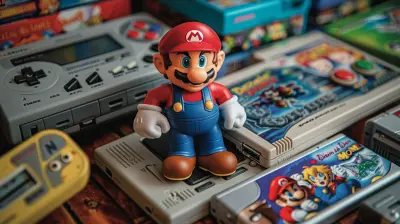
The Impact of Japanese Culture on Classic Games
4 December 2025
When we talk about gaming history, one thing we can't ignore is the massive influence Japanese culture has had on classic games. From 8-bit adventures to pixel-perfect platformers, Japan has shaped not just the games we play—but the very way we think about gaming. So let’s take a walk down memory lane and dig into how Japanese traditions, values, aesthetics, and storytelling seeped into the games that defined our childhoods (and probably still have a home on your Nintendo shelf).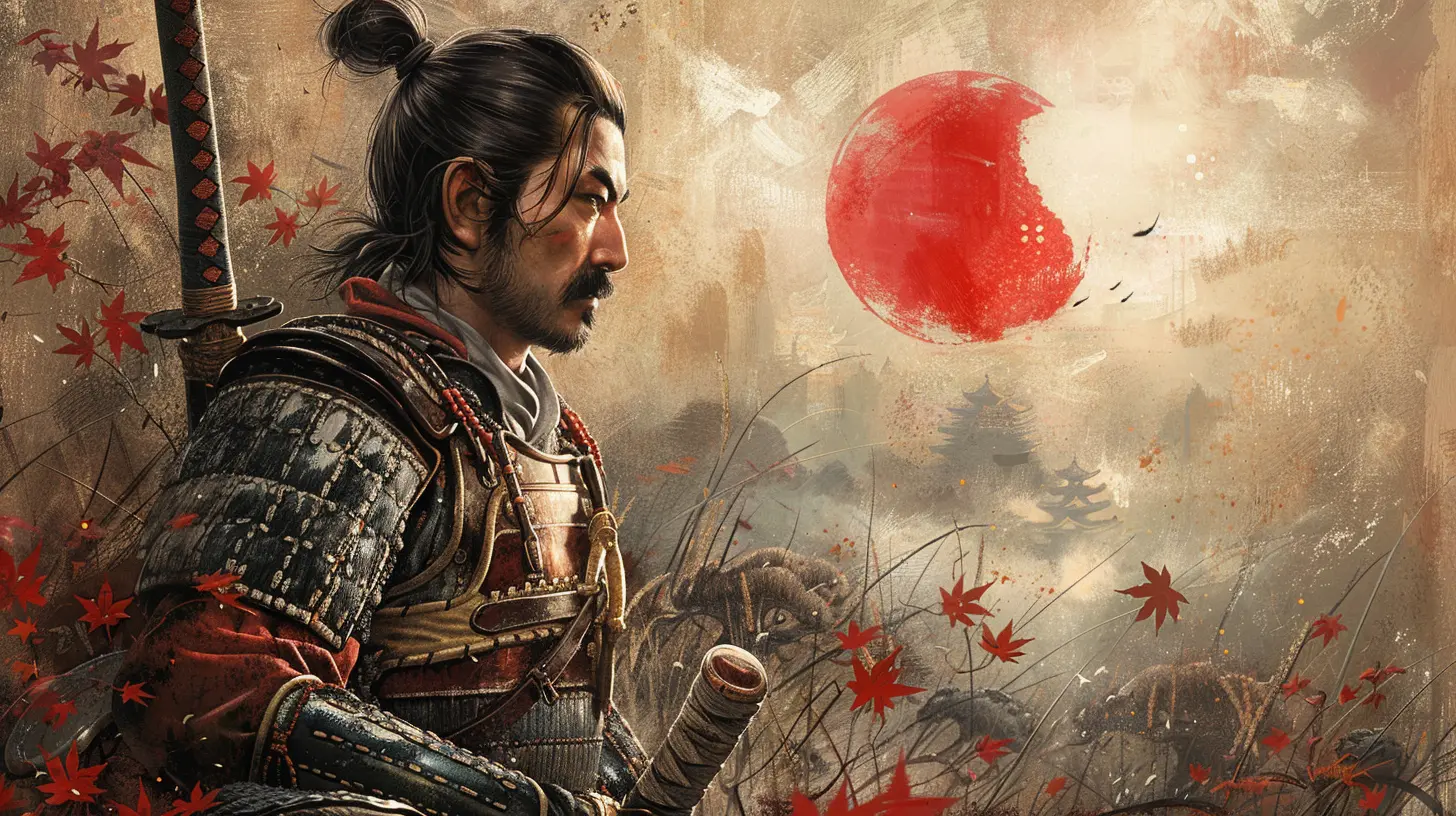
The Roots: Why Japan Became a Gaming Powerhouse
Before we talk about the "how," let’s answer the "why." Why did Japan end up driving the classic gaming boom in the first place?For one, Japan was already deep into electronics during the 1970s and early '80s. Giants like Nintendo, Sega, and Sony weren’t just tech companies—they were pioneers experimenting with interactive entertainment. On top of that, Japan had always embraced animation and fantasy (think anime and manga), which naturally laid the groundwork for immersive digital storytelling.
So when video games came on the scene, Japan didn’t just join—Japan owned it.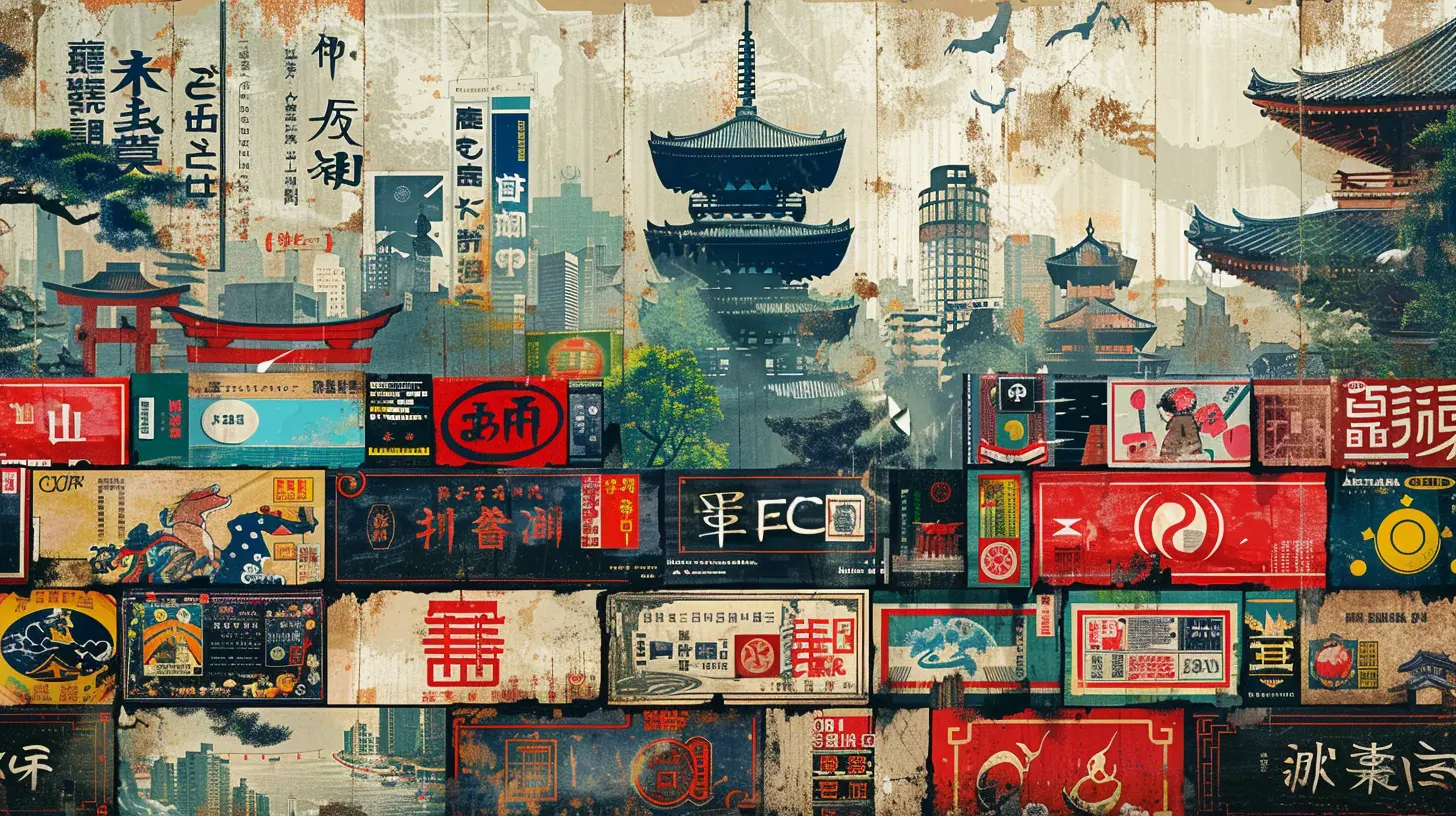
Storytelling with a Twist of Tradition
Samurai, Spirits, and Shinto
Ever noticed how many classic games seem to have mysterious forests, powerful spirits, or ancient shrines? That’s no accident. These themes are strongly rooted in Shintoism—Japan’s native religion—and the samurai code, or Bushido.Take games like The Legend of Zelda. Forests are sacred, temples are abundant, and there’s always a respect for nature and the spiritual. That’s 100% influenced by Japanese folklore. Link might be a Hylian, but everything about his journey screams Shinto myth.
Another great example? Okami. It’s basically a love letter to Japanese mythology, featuring sun goddesses, celestial brush techniques, and traditional art styles straight out of an Edo period painting. It’s like playing through a living Japanese folktale.
The Hero’s Journey, Eastern-Style
Western games often go all-in with the lone soldier, revenge-driven arcs, or save-the-world-through-destruction plots. Japanese games? Very different. There’s more introspection, responsibility, and spiritual growth. The hero might save the world—but only after understanding themselves first.Think of Final Fantasy titles. Or Chrono Trigger. Those games focus on teamwork, fate, the cycle of life, and emotions as much as swords and spells.
The Aesthetic: How Japanese Art Took Over Our Screens
Japanese games weren’t just about gameplay—they looked different too. And that wasn't just because of hardware limitations. The pixel art in early Japanese titles drew heavily from manga panels and anime layouts.Chibi and Kawaii Culture
Ever wonder why many classic game characters have giant heads and tiny bodies? That’s “chibi” style—made famous through Japanese anime. This exaggerated look made characters easier to distinguish on low-resolution screens and, let’s be honest, it made them irresistibly cute.Series like Kirby, Bomberman, and even early Mario Bros used this approach. Simple, charming, iconic.
Color Palettes and Composition
Japanese artists also had a unique sense of visual balance. Unlike some Western games that overloaded detail, Japanese classics often had clean, colorful, and symbolic visuals. It made the games more readable and memorable. Take Mega Man, for example—distinct enemy colors and patterns? Pure genius.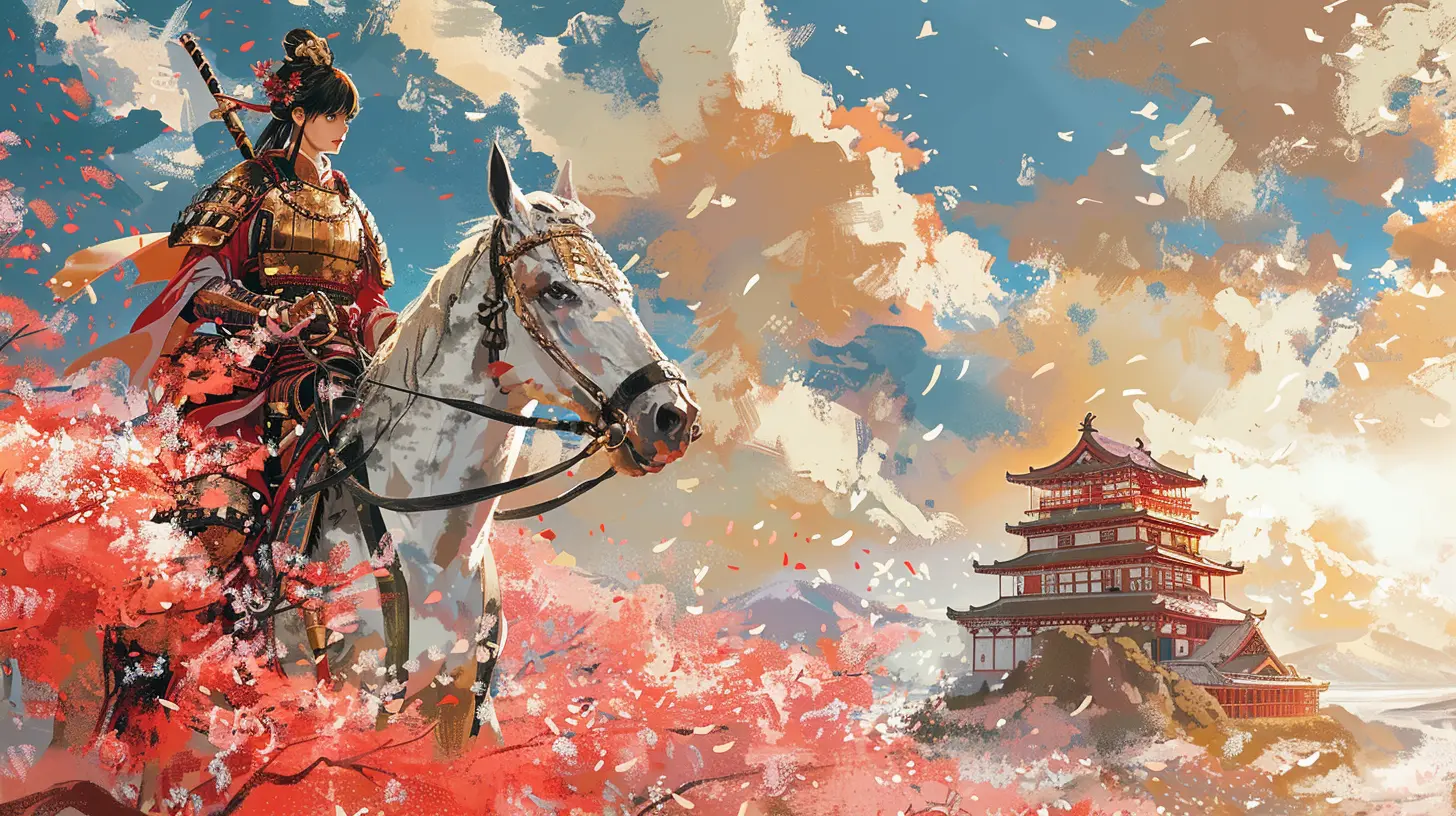
Soundtracks with Soul: The Japanese Audio Edge
Let’s not forget about the music. Japanese game composers like Koji Kondo (Super Mario, Zelda) and Nobuo Uematsu (Final Fantasy) didn’t just create soundtracks—they made emotional rollercoasters out of 8-bit sound chips.These tunes were influenced by traditional Japanese music, classical compositions, and even '80s J-pop. The result? Music that stuck with you long after the console was turned off.
And don't pretend you didn’t hum the Mario underground theme every time you climbed the stairs. We all did.
The Characters: Archetypes with a Japanese Spin
The Silent Protagonist
Japanese culture often values collectivism and modesty. That’s part of why so many classic game heroes didn’t talk much. They were blank slates so you could become the hero.Think Chrono from Chrono Trigger or Link from Zelda. These characters let you project yourself onto them, creating a deeper connection.
The Antihero and Tragic Backstory
In Japanese storytelling, it's common to see characters wrestling with their pasts, or even their enemies’ humanity. Villains aren’t always evil for the sake of it—they’re often tragic, misunderstood, or victims of their own choices.Look at Sephiroth from Final Fantasy VII. He’s terrifying, sure, but he’s also broken. That complexity adds depth and elevates the story beyond a simple good-vs-evil trope.
Game Design Philosophy: It's All About the Journey
Japanese games don’t rush you. They invite you to explore, experiment, and enjoy the ride.Take Pokémon. When it first launched, it wasn’t about speed or high scores. It was about collecting, bonding, and growing. That aligns closely with Japanese values like patience, discipline, and mastery.
Or look at Metroid and Castlevania. These games didn't hand you a map—you had to earn your way through trial and error. It wasn’t frustrating (well, maybe a little), it was rewarding. Like building a LEGO set without the instructions.
Cultural Easter Eggs: Hidden Japan in Plain Sight
There’s so much Japanese culture hidden in plain sight in old-school games, you probably missed half of it as a kid.The rice balls in Pokémon (which got turned into “donuts” in the English dub)? Totally Japanese. The sumo wrestler enemies in Street Fighter or Final Fight? Straight out of pop culture. Even the background signs in games like Final Fight or Shenmue were in Japanese script.
These weren’t just design choices—they were slices of Japan, served up through a screen.
The Global Effect: How Japan Set the Standard
The fact is, many of Japan’s classic games didn’t just influence players. They molded the entire industry.Genres like JRPGs, platformers, and survival horror are Japanese inventions. Without Resident Evil, we wouldn’t have Silent Hill. Without Final Fantasy, there’d be no Dragon Age. Without Mario, platformers might’ve never taken off.
Even Western studios started mimicking Japanese design. Games like Halo, Mass Effect, and Celeste owe a debt to Japanese classics. Whether it's character design, pacing, or storytelling depth—Japan did it first.
Iconic Japanese Classics That Changed Everything
Let’s wrap this up with a shoutout to some legends that pushed boundaries and brought Japanese culture directly into living rooms worldwide:- Super Mario Bros – A plumber saving a princess in a mushroom kingdom? Oddly Japanese with its surrealism and logic-defying world.
- The Legend of Zelda – A quest filled with ancient temples, mystical artifacts, and a master sword? Heavily influenced by Japanese mythology.
- Final Fantasy Series – Emotional, epic, and deeply psychological. Wrapped in anime-inspired art and spiritual themes.
- Street Fighter II – Martial arts madness with a global cast…but the soul of it? Pure Japanese dojo vibes.
- Metal Gear Solid – Complex philosophies, stealth gameplay, and cinematic storytelling. A mix of samurai honor and modern warfare.
Final Thoughts: Why It Still Matters
Even today, the DNA of classic Japanese games lives on. Indie developers are bringing back pixel art, turn-based combat, and layered storytelling because the foundation was that good.And let’s admit it—we still crave that feeling. That moment when the screen loads, the chiptune hits, and we’re off on another adventure full of oddly named swords and cool-haired protagonists.
Japanese culture didn’t just shape classic games—it gave them their soul. And that’s something no new-gen console or 4K texture can ever replace.
all images in this post were generated using AI tools
Category:
Gaming HistoryAuthor:

Brianna Reyes
Discussion
rate this article
2 comments
Olivia McKale
Japanese culture adds depth and magic to gaming experiences!
December 10, 2025 at 4:09 AM
Brianna Reyes
Thank you! Japanese culture indeed enriches gaming with unique storytelling, art, and innovation, creating unforgettable experiences.
Marissa McAlister
Japanese culture profoundly shaped gaming's narrative depth.
December 8, 2025 at 4:34 PM
Brianna Reyes
Thank you! Japanese culture has indeed added rich storytelling elements, elevating the narrative complexity of classic games.