How Esports Teams Handle Criticism and Online Scrutiny
13 January 2026
Let’s be honest—playing video games for a living sounds like a dream, right? Traveling the world, raking in money, and doing what you love with your squad. But behind the flashing lights of LAN tournaments and massive Twitch streams, there's a storm every esports team must weather: criticism and online scrutiny.
In today's digital age, opinions spread like wildfire. Whether it’s a missed clutch in CS:GO, a tilted Baron fight in League of Legends, or a misstep in Valorant, you can bet someone is out there dissecting it on Reddit or Twitter. So, how do players and teams keep their heads up when the internet decides to rally against them?
Let’s peel back the curtain and take a deep dive into how professional esports teams handle the heat—and come out stronger.
The Reality Behind the Screens
The first thing to understand is that esports players aren’t just gamers—they’re entertainers, athletes, and public figures rolled into one. And just like traditional athletes, they’re under the microscope 24/7.Think about it: when was the last time you saw a football player get away with a bad game without social media tearing them apart? Same goes for esports pros. A single mistake can lead to waves of tweets, memes, and harsh critiques. But here's the kicker—most players are still in their teens or early 20s. That's a huge weight to carry.
So, how do they cope?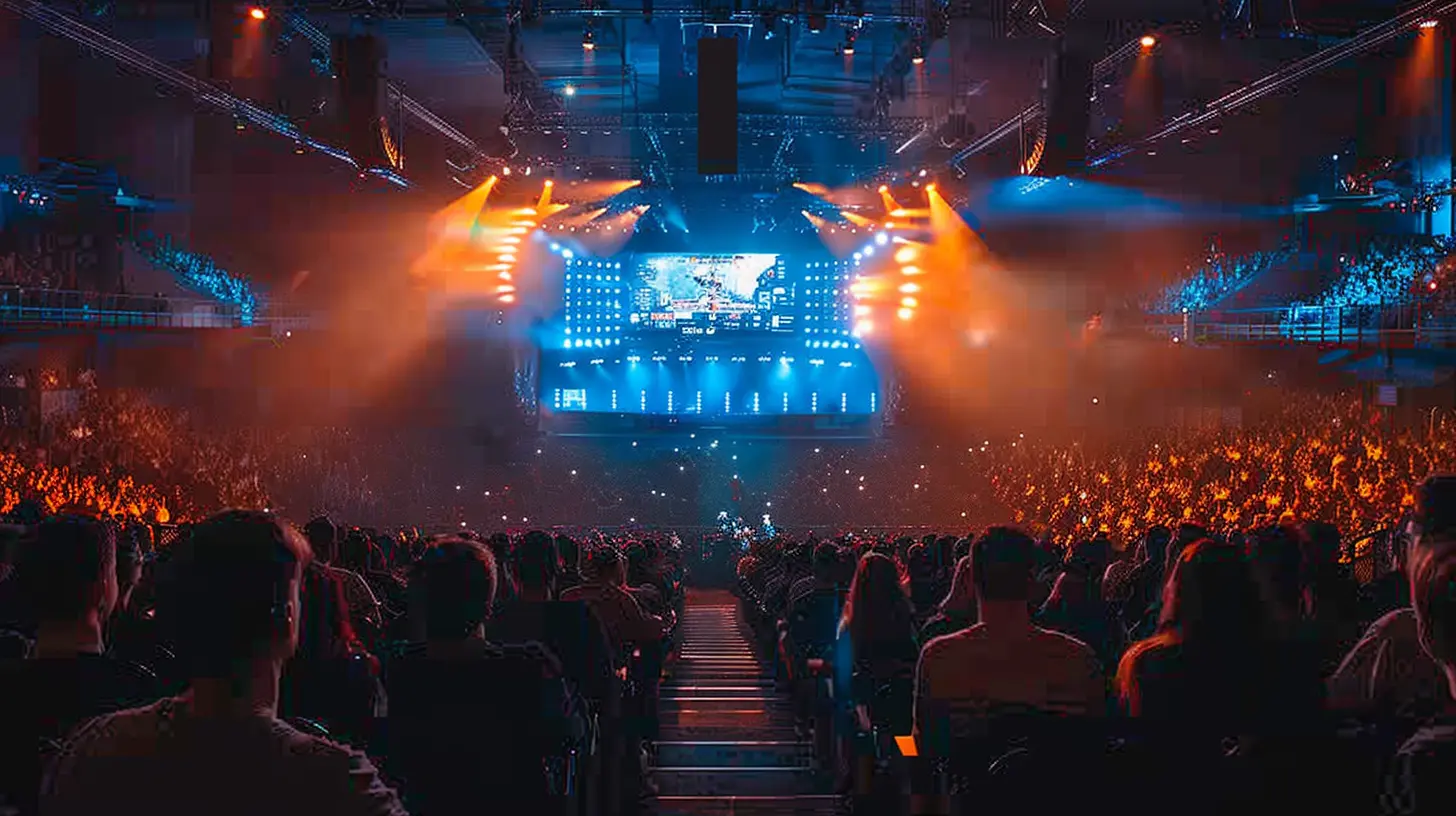
1. Developing Mental Resilience Like a Pro
Being good at a game is one thing. But being mentally tough? That’s what separates the good from the great.Top esports teams invest heavily in mental coaching. Many organizations hire sports psychologists to help players handle pressure, anxiety, and yes—you guessed it—criticism.
These professionals teach players:
- How to reframe negative comments
Instead of internalizing hate, they learn to question the source. Is it constructive? Or just noise?
- How to focus on growth over perfection
You’re going to make mistakes. What matters is what you do afterward.
It’s kind of like building armor. Each session of mental training adds another layer, making it easier to ignore the trolls and focus on the grind.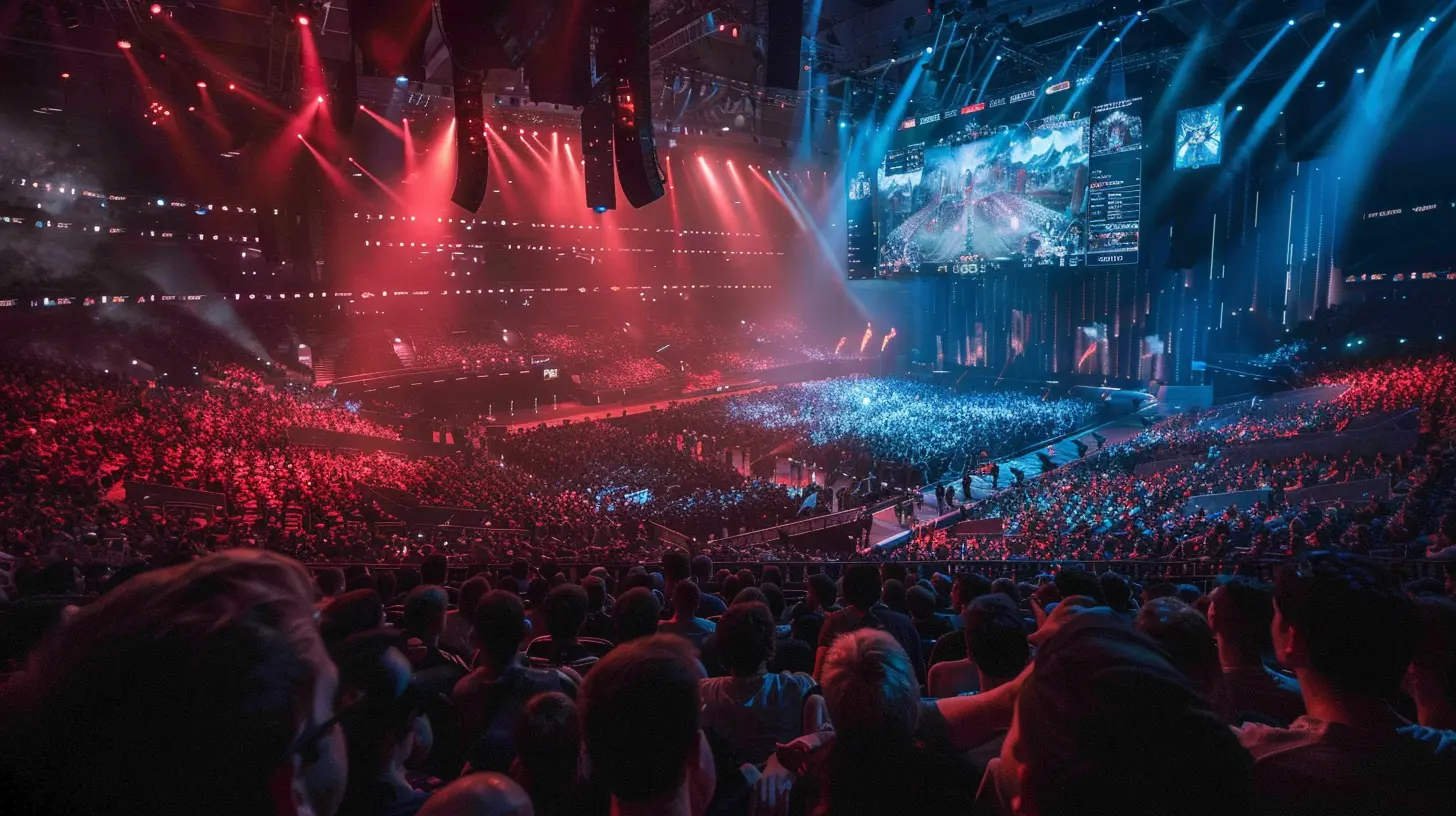
2. Creating a Safe Team Environment
When the internet's against you, your teammates become your lifeline. The best teams are more than just collections of skilled players—they're families.Support comes in all forms:
- Pep talks after losses
- Honest but respectful feedback
- Time away from the game to recharge together
Players talk openly about mental health more than ever. And that vulnerability builds trust. When players feel safe within their squad, it’s easier to face external backlash because they know they’ve got each other’s backs.
Have you ever noticed how championship-winning teams often talk about "team culture"? That’s no accident.
3. Social Media Boundaries: Choose What You Consume
Let's face it—social media is both a blessing and a curse.On one hand, it connects fans directly to their favorite teams and players. On the other, it opens the floodgates to every hot take, insult, and 240-character roast imaginable.
So what’s the solution?
Set boundaries.
Some players go on “social media detoxes” during tournaments or after major losses. Others hand off account access to PR teams. Why pour gasoline on the fire when you can just walk away?
Remember: you don’t have to attend every argument you’re invited to.
4. Turning Criticism Into Fuel
Here’s where things get inspiring.Many esports pros use external criticism not as a weight, but as a weapon. They flip the narrative.
Think about Michael Jordan. Every slight, every doubt—he stored it like firewood. Players like Faker, s1mple, and TenZ? Same vibe.
Criticism, when filtered properly, becomes motivation. It’s that voice in your head saying, “I’ll show them.”
Great teams take that negativity and turn it into practice routines, strategy adjustments, and relentless effort.
Success, after all, is the best clapback.
5. Identifying Constructive Feedback vs. Toxicity
Not all criticism is harmful. Some of it, dare I say, is helpful.Analysts, thoughtful fans, and community leaders often break down gameplay with real insight. Teams actually look at this stuff to improve.
But there's a big difference between:
> “They really struggled to maintain map control in the mid-game.”
and
> “This team is trash. Uninstall.”
One offers clarity. The other? Just chaos.
Esports teams learn to filter the signal from the noise. Constructive insight gets passed to coaches. Toxicity gets the mute button.
Simple as that.
6. Open Communication with Fans
Transparency builds trust. When teams go silent after a rough patch, fans start speculating. But when they share their side—even a little—it bridges the gap.Many teams now make YouTube documentaries, BTS vlogs, or post-match breakdowns to let fans in on what’s going on behind the scenes.
This kind of openness does wonders:
- It humanizes players
- It turns critics into supporters
- It reminds everyone that there's always more to the story
Teams like G2, Fnatic, and 100 Thieves have mastered this art. And their fanbases are stronger for it.
7. Reframing Failure as Part of the Journey
There’s a saying in esports: “You either win or you learn.”Every team has rough patches. Even dynasties like T1 and Astralis weren’t born perfect—they evolved through loss, trial, and a boatload of criticism.
The key is to stop seeing failure as a dead end. It’s actually a detour—a redirection to something better.
So when a team misses playoffs or bombs out of groups, they don’t crumble—they regroup. They watch VODs, fix what’s broken, level up, and come back swinging.
It’s just like Dark Souls. You’re going to die... a lot. But every fall teaches you something new.
8. Internal Culture > External Noise
At the end of the day, what matters most is what happens inside the team house—not outside of it.Esports teams that thrive despite scrutiny are the ones who stick to their principles:
- Hard work over hype
- Growth over glory
- Unity over ego
When a team truly believes in each other, outside opinions lose their bite. The noise fades. And the focus sharpens.
It’s the same whether you’re a five-stack duo queueing low-Elo ranked or grinding for Worlds—if you trust your team, anything’s possible.
Final Thoughts: The Battle Beyond the Game
Esports is more than just pixels on a screen—it’s passion, pressure, and progress all bundled into an arena where everyone’s watching.Handling criticism and online scrutiny is part of the job now. But the best teams don’t just survive the spotlight—they shine in it.
They embrace the grind, lean on each other, block the noise, and always keep moving forward.
So whether you’re grinding your way up the ladder or dreaming of going pro one day, remember:
Criticism isn’t the enemy. It’s part of the story. And you get to choose how yours goes.
all images in this post were generated using AI tools
Category:
Esports TeamsAuthor:

Brianna Reyes
Discussion
rate this article
2 comments
Aiden Sweeney
Great insights! It’s fascinating to see how esports teams navigate criticism. Balancing performance pressure with online scrutiny truly showcases their resilience and teamwork.
January 21, 2026 at 4:56 AM
Brianna Reyes
Thank you! I'm glad you found it insightful. Esports teams indeed demonstrate remarkable resilience in the face of challenges.
Kaitlyn Roberson
In the arena’s glare, resilience shines; teams rise, weaving strength from whispers and doubts.
January 14, 2026 at 5:00 AM
Brianna Reyes
Thank you! Resilience is indeed key for teams navigating the challenges of criticism and scrutiny in esports.