The Forgotten Consoles That Paved the Way for Modern Gaming
5 March 2026
Let's take a moment to talk about the underdogs — the consoles that never quite got their time in the spotlight. Sure, we all know about the NES, the PlayStation, and Xbox — they’re the rockstars of the gaming world. But what about those systems that came before or alongside them, quietly influencing the gaming universe behind the scenes?
These forgotten consoles didn't just exist — they innovated, experimented, and sometimes even failed spectacularly. But failure isn't always a bad thing. Sometimes, it’s the spark that lights the fire.
So, buckle up! We're diving headfirst into the fascinating world of underrated, overlooked, sometimes downright bizarre gaming consoles that helped shape the world of modern gaming.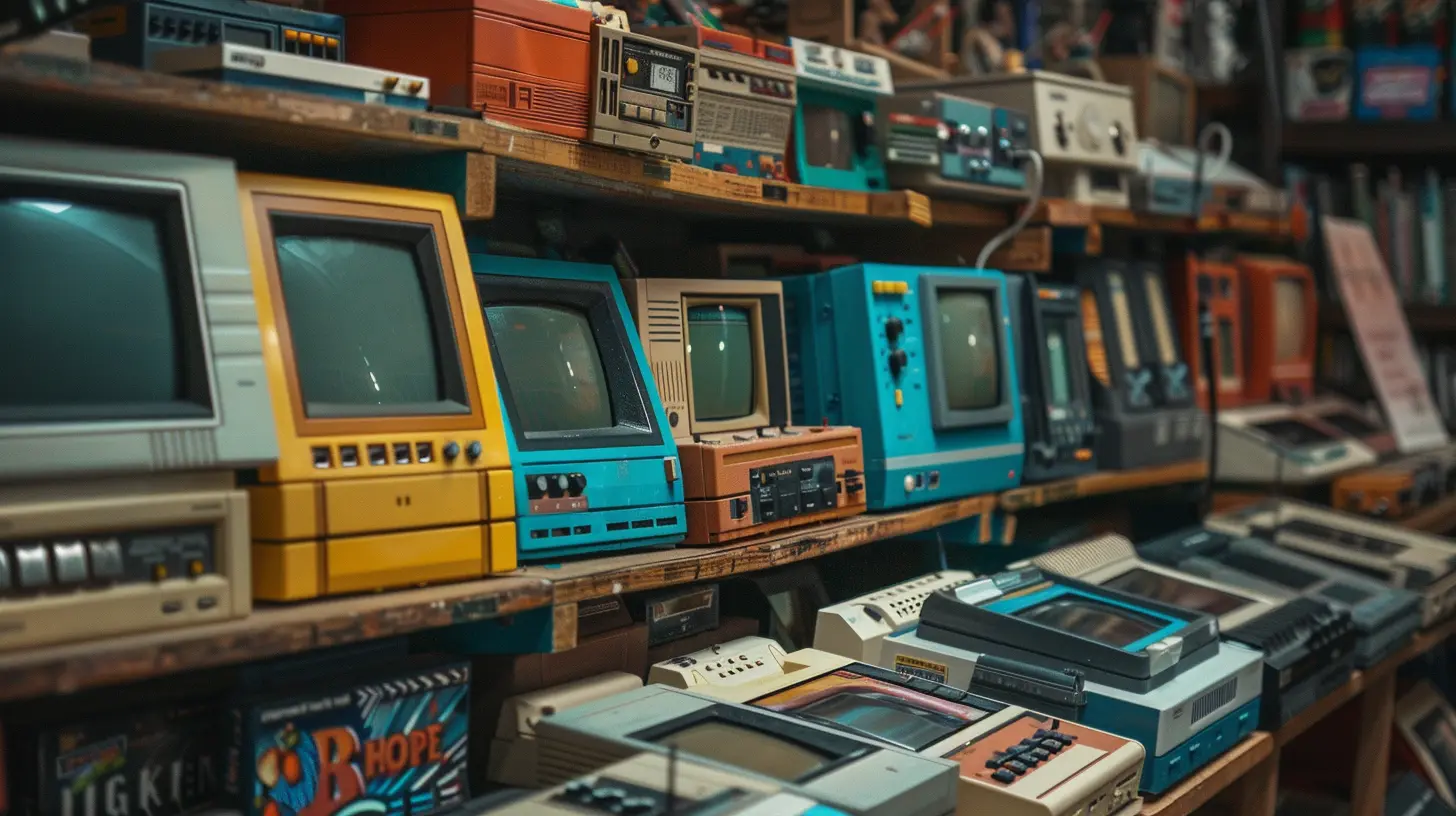
1. Magnavox Odyssey (1972) – The One That Started It All
Wait, what? You thought the first console was the Atari? Nope. The Magnavox Odyssey was the OG — the true grandfather of home consoles.Why Was It Important?
The Odyssey was the first home video game console. That’s right, it was doing the whole “home gaming” thing before it was cool. Released in 1972, it came with plastic overlays for your TV screen (yep, actual physical overlays) and a series of simple games, including a Pong-style tennis game that predated Atari’s Pong.Its Legacy
While it didn’t exactly fly off the shelves, the Odyssey laid the foundation for every console that followed. It introduced the idea of playing games at home, and that was revolutionary.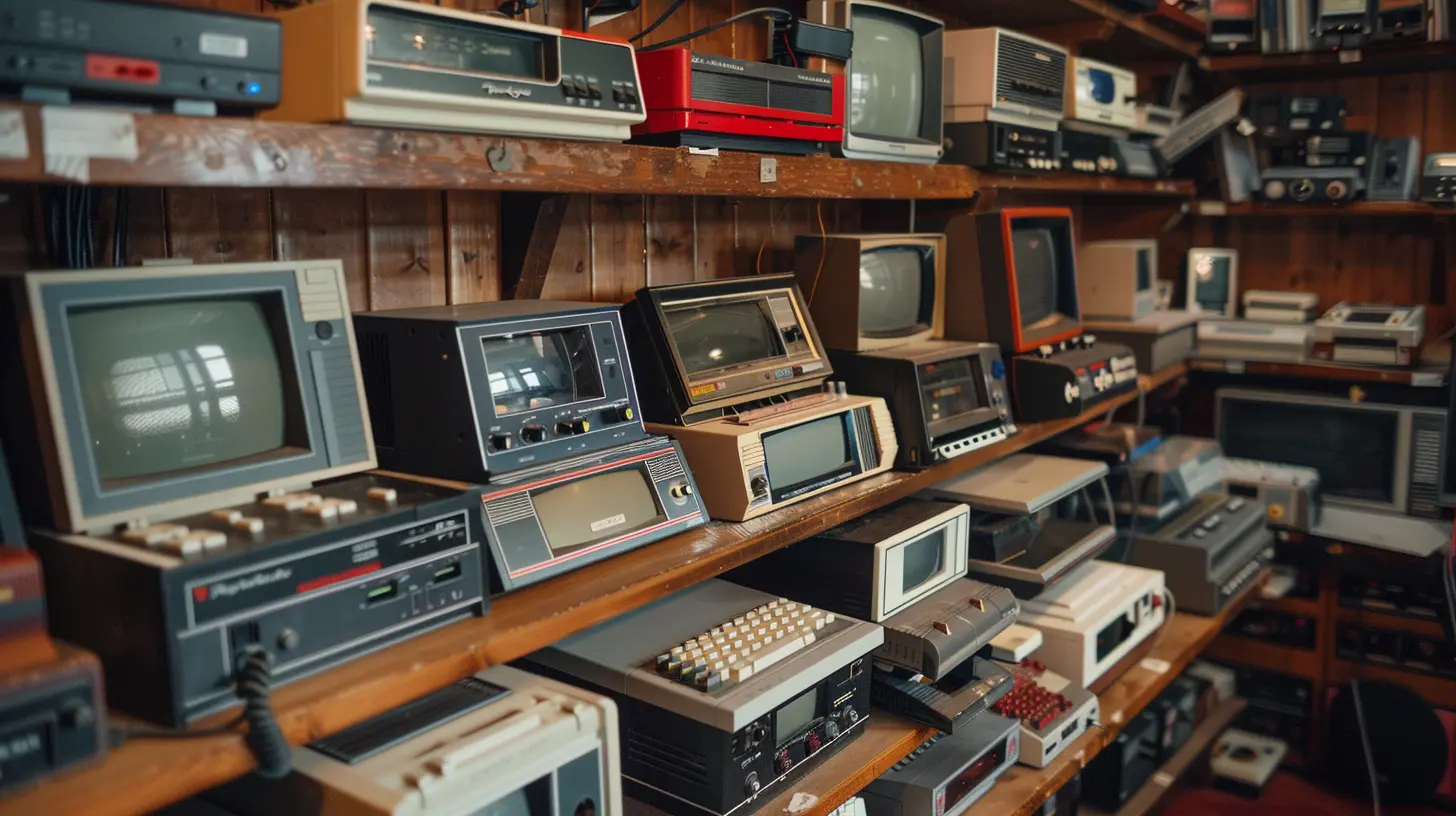
2. Fairchild Channel F (1976) – The Cartridge Trailblazer
Before the NES, before even the Atari 2600, there was the Fairchild Channel F — the first console to use interchangeable game cartridges.What Made It Special?
This thing wasn’t just a gimmick. It introduced something monumental: programmable game cartridges. That meant no more built-in games; now you could swap in a new experience any time you wanted. Think of it as the first step toward the game libraries we take for granted today.Lasting Influence
Without this innovation, we might still be stuck with consoles only capable of built-in games. It paved the way for every cartridge-based — and eventually disc-based and digital — system that followed.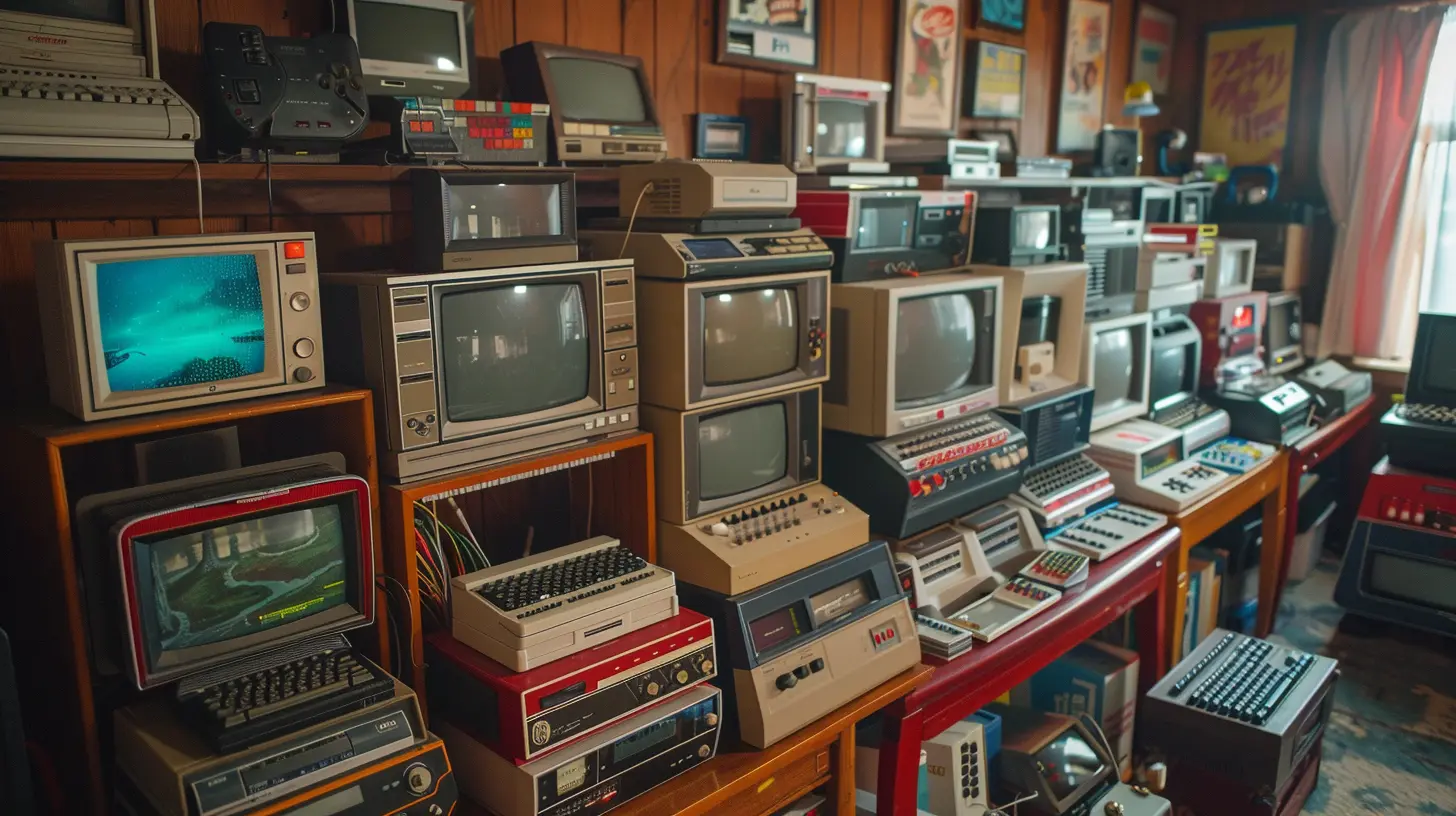
3. Vectrex (1982) – Say Hello to Vector Graphics
Now this one is really wild. The Vectrex was a console with its own built-in display. But not just any display — it used vector graphics instead of raster graphics, giving it a unique, crisp look that resembled arcade machines of the era.Innovative and Ahead of Its Time
Imagine getting an arcade cabinet in your home — that’s what Vectrex was shooting for. It had 3D accessories, sound effects, and even attempted to create depth using overlays and weird glasses.Why It Mattered
It brought arcade fidelity home when others couldn’t. Even though it flopped commercially, developers took notes. The idea of dedicated hardware for better visuals? That’s something modern consoles do all the time now.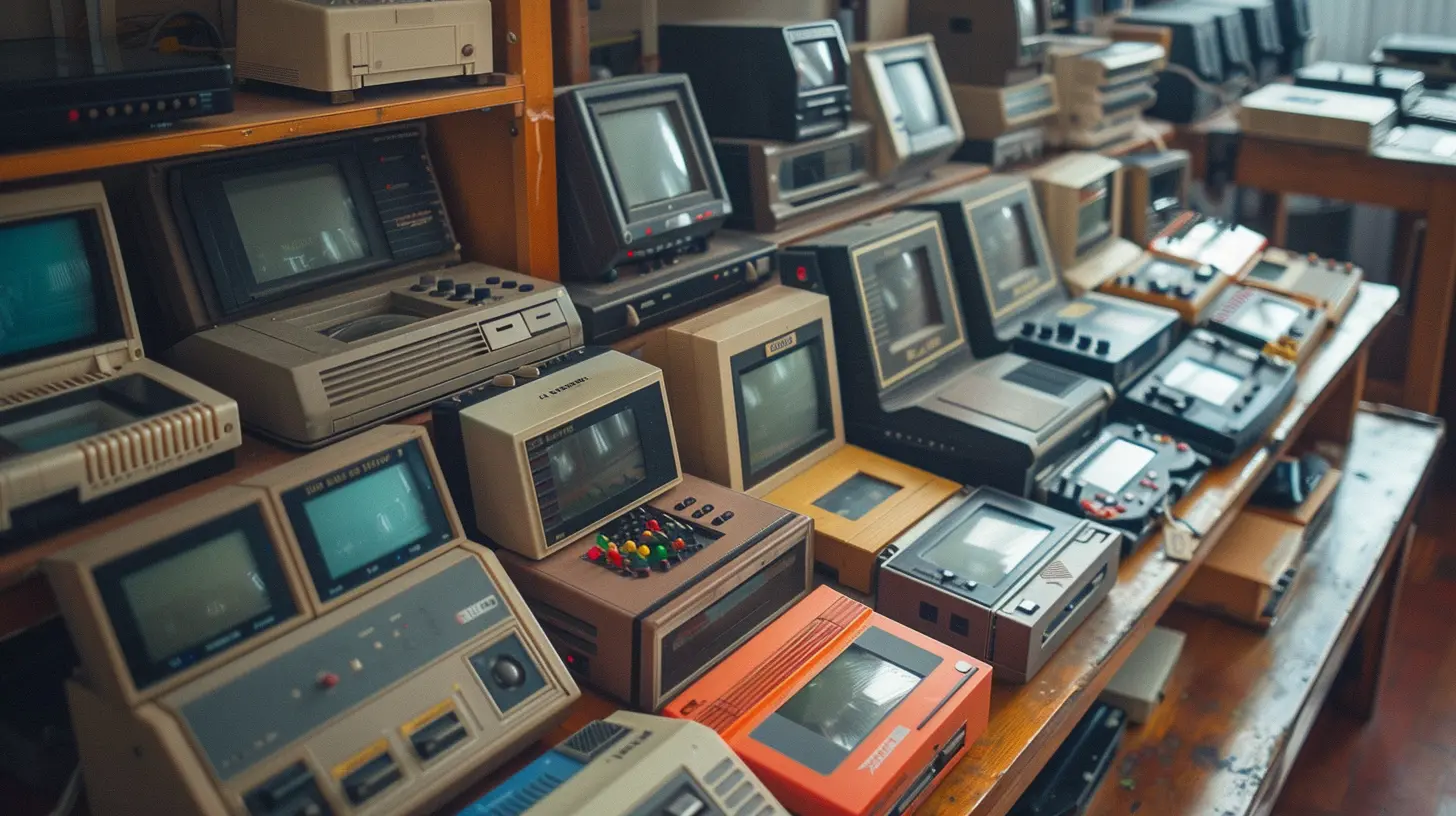
4. Bally Astrocade (1977) – The Hidden Powerhouse
The name might not ring a bell, but the Bally Astrocade packed a surprising punch. It had better graphics than the Atari 2600 and a solid library of games.What’s the Catch?
Marketing. That was the issue. Bally just didn’t know how to sell it to the masses. But technologically, it was impressive — especially for 1977. It even had a built-in BASIC interpreter. That's like giving a kindergartener a calculator and saying, "Go invent algebra."What Did It Get Right?
The Astrocade expanded graphic capabilities and showed that home consoles could have real computing power. Sounds familiar? Today’s consoles do way more than just gaming — they stream, browse, even run apps. Bally was already thinking in that direction.5. ColecoVision (1982) – Almost Greatness
The ColecoVision came out swinging. It had arcade-level graphics, a solid port of Donkey Kong, and even add-ons that let it play Atari 2600 games. It was like the Swiss Army knife of early 80s consoles.Why It Deserves Praise
This machine delivered some of the best-looking games of its era, and its modular design was ambitious. Want to play Atari games? Plug in the Expansion Module. Want to turn your console into a computer? It could do that too.Where It Went Wrong
The video game crash of 1983 took it down before it could reach its full potential. But its ideas echoed into the modularity and backwards compatibility modern gamers love today.6. TurboGrafx-16 (1987) – The Console That Was Too Cool Too Soon
The TurboGrafx-16 (or PC Engine in Japan) was sleek, fast, and had some amazing games — like "Bonk's Adventure" and "R-Type." It was part of the legendary console war of the late 80s and early 90s but didn’t grab much attention in the West.What Was So Great?
It was the first console to feature a CD-ROM add-on, and it had a 16-bit graphics chip before the Sega Genesis or SNES even hit the scene. It fought hard but was overshadowed by bigger brands and mediocre marketing.Its Influence on Gaming
It pushed technological boundaries and helped shape the future of media storage in gaming. CDs became the go-to format in the 90s and early 2000s. TG16 was doing it before it was mainstream.7. Sega Saturn (1994) – Misunderstood Genius
The Sega Saturn was a beast — a double-CPU, visually stunning (for its time) console that just couldn’t find its footing in the west.Why It Failed Publicly
The Saturn was incredibly hard to develop for, and Sega’s rushed release in North America caught everyone — including developers — completely off guard. Combine that with poor third-party support and you’ve got a console that tripped over its own ambition.What It Did Right
It was ahead of its time in 2D sprite-based graphics, making it a favorite among fighting game fans. Some of the best arcade ports — particularly from Capcom — found a second life on the Saturn.The Saturn pushed boundaries in terms of hardware complexity, and while that may have been its downfall then, it encouraged developers to think big — something that definitely carried over to the next generation.
8. Neo Geo AES (1990) – Luxury Gaming
The Neo Geo AES was not for the average gamer. This thing cost a small fortune, and its cartridges were the size of VHS tapes. Seriously.Why Was It So Expensive?
Simple — it was basically a home arcade machine. No downgrades. You were literally playing the exact same ROMs you’d find in arcades, right in your living room.Why It’s Important
Neo Geo showed there’s a market for premium, high-end gaming, a concept reborn in today’s “Pro” consoles and high-performance gaming PCs. Plus, its library included legendary fighting games like King of Fighters and Metal Slug — series that still live on today.9. Atari Jaguar (1993) – The 64-Bit Gimmick?
Ah, the infamous Jaguar. Marketed as the first 64-bit console, it hyped itself hard. Too hard, maybe.The Reality Check
Though technically a 64-bit system, its architecture was confusing — for both players and developers. It was supposed to be the future, but most of its games felt like they belonged in the past.Why It Still Matters
The Jaguar was one of the first times a console tried to seriously out-spec the competition with flashy technical stats. It also introduced experimentation in hardware design, a risk that modern consoles still take today.10. 3DO Interactive Multiplayer (1993) – The High-End Gamble
Backed by EA founder Trip Hawkins, the 3DO was a bold attempt to redefine console gaming — with a steep launch price and high-powered multimedia features.Why It Flopped
At $699 at launch, it was just too expensive for the average gamer. Plus, it lacked a strong exclusive lineup. But it had CD-ROM support, full-motion video games, and a futuristic controller design.Ahead of Its Time
Today’s consoles are multi-purpose entertainment machines. The 3DO tried to be that in the early 90s. While it didn’t make the cut, it forecasted where the industry was headed.Final Thoughts – The Consoles That Time Forgot… But We Shouldn’t
Modern gaming is standing on the shoulders of giants — not just the big names, but also the forgotten few that dared to be different. These consoles introduced cartridge-based games, experimented with CDs, flirted with 3D, and even gave us a glimpse of the multimedia future.Were they perfect? Absolutely not. But in pushing boundaries and sometimes failing, they laid the groundwork for the experiences we enjoy today.
So next time you fire up your PS5 or Xbox Series X, spare a thought for the oddballs and innovators of the past. Without them, we might still be playing Pong.
all images in this post were generated using AI tools
Category:
Gaming HistoryAuthor:

Brianna Reyes
Discussion
rate this article
2 comments
Greyson Bennett
Ah, the unsung heroes of gaming! Like the quirky uncle at family gatherings—slightly odd, but without them, we wouldn’t have the wild ride of pixelated joy we enjoy today!
March 6, 2026 at 4:04 AM
Brianna Reyes
Absolutely! Those quirky consoles were crucial in shaping the gaming landscape we cherish today.
Tamsin McInnes
This article effectively highlights how forgotten consoles shaped the gaming landscape, underscoring their pivotal contributions to industry innovation and modern gaming experiences.
March 5, 2026 at 4:51 AM
Brianna Reyes
Thank you for your thoughtful comment! I'm glad you found the article insightful in recognizing the impact of these forgotten consoles on the gaming industry.