The Emotional Impact of Playing a Remastered Childhood Favorite
2 April 2026
You know that feeling when you hear a song from your school days, and it instantly transports you back to a time when life was simpler? Now imagine that... but with video games. That’s the emotional rollercoaster of playing a remastered version of a game you adored as a kid. It’s not just about crisper graphics or upgraded mechanics. It’s about memories, nostalgia, and rediscovery. A remaster can feel like pulling a forgotten toy out of the attic and realizing it's just as magical as you remembered—if not more.
In this deep dive, we’re going to unpack the powerful emotional impact of returning to those pixelated playgrounds we once called our second homes. From the joy of reuniting with beloved characters to the bittersweet realization of how much we've changed, this journey is as much about us as it is about the game.
Heading Back to Memory Lane
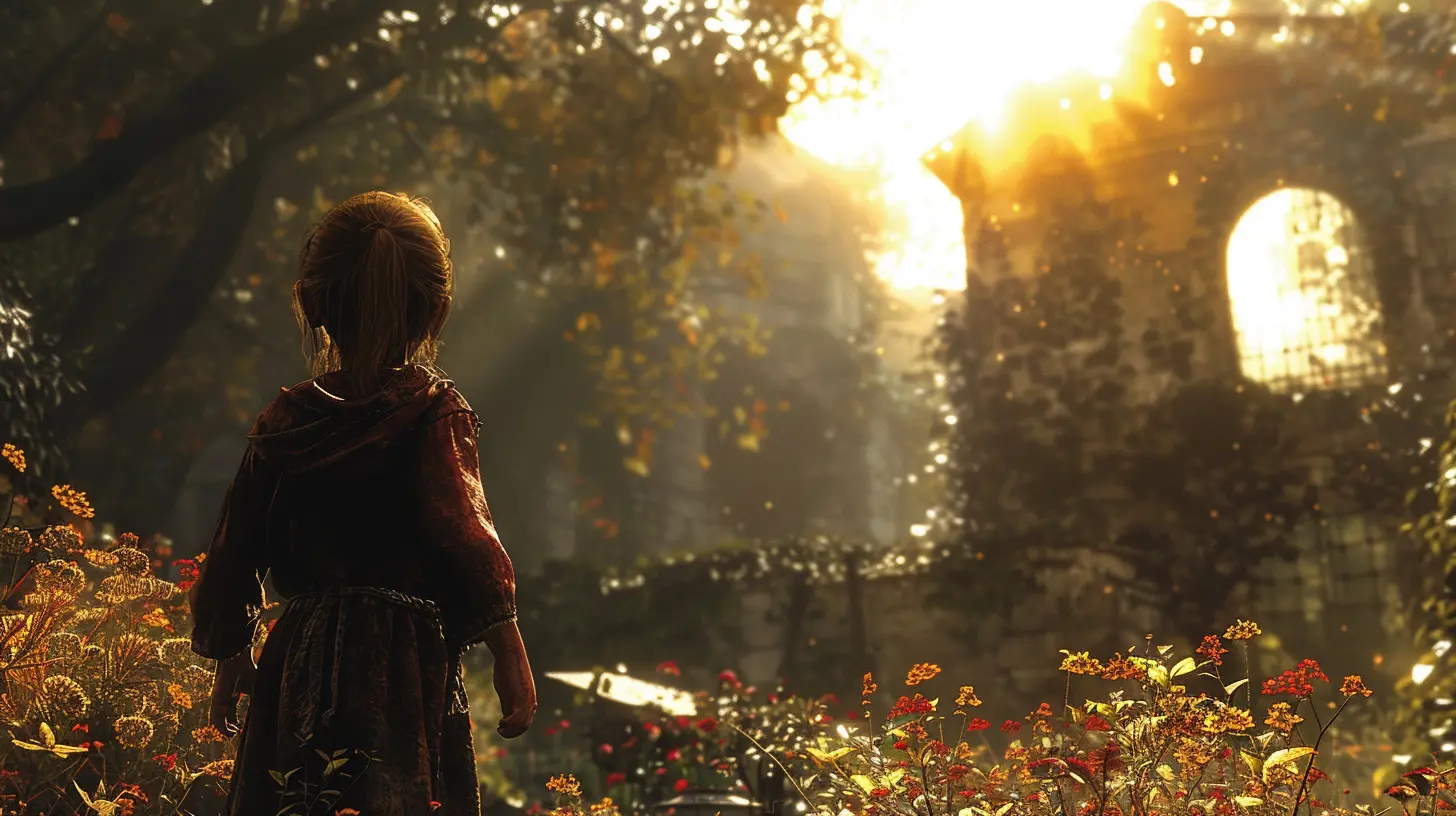
Let’s be real: childhood games weren’t just games—they were an escape, a passion, sometimes even a lifeline. Whether you grew up with Spyro gliding through colorful worlds, Cloud Strife tackling Shinra, or Mario hopping through the Mushroom Kingdom, these games were more than pixels. They were chapters of our story.So, when developers drop a remastered version, it's more than a re-release. It’s a time machine.
Nostalgia: The Real MVP
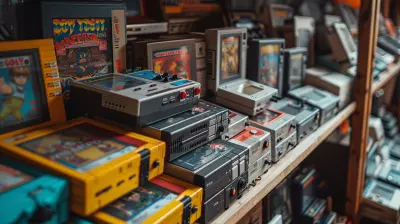
Nostalgia has a funny way of wrapping everything in a golden glow. It filters our memories, emphasizing the joy and softening the rough edges. When you pop in a remastered classic and the opening music hits... boom. Instant time warp. You're no longer in your thirties sipping coffee—you’re 10 years old again, sitting cross-legged in front of a chunky TV screen, controller in hand, heart racing.That instant emotional connection? That’s powerful. And remasters know exactly how to tap into it.
But it’s not all sunshine and butterflies…
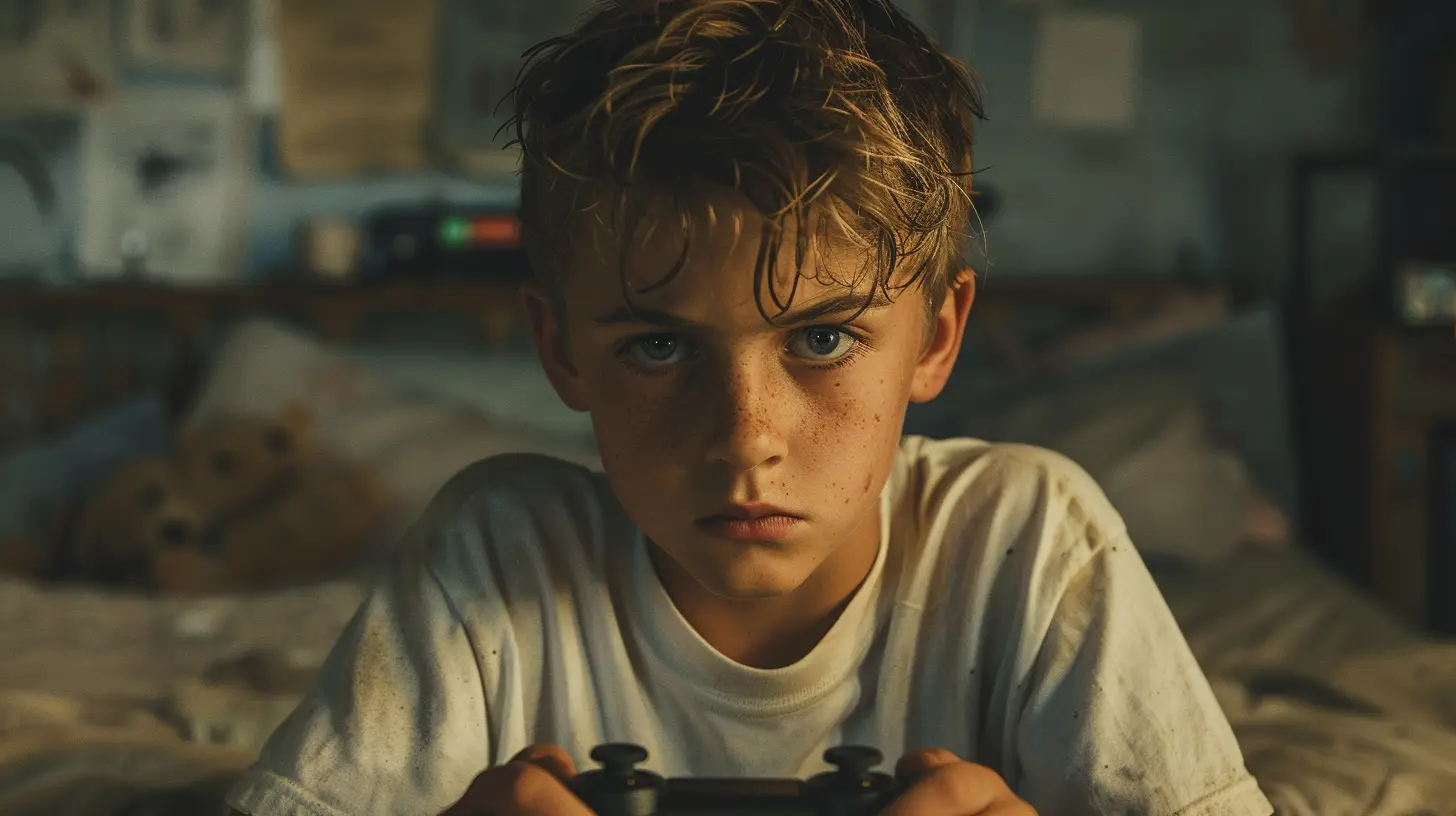
The Joy and the Jolt
The Joy: Rekindling the Flame
First off, let’s talk about the sweet stuff. Playing a remastered childhood game feels like running into an old best friend. There’s familiarity paired with excitement. You know what’s coming, but it still gives you chills. The smooth graphics, upgraded audio, and slight tweaks to gameplay only add to the awe.You might remember every cheat code, every hidden passage, every boss fight. And now, it’s all shiny and new. It’s like opening a childhood photo album but with HD pictures and surround sound.
The Jolt: When Reality Hits
Sometimes the magic doesn’t hit the same. Maybe the controls feel clunky, or the pacing drags more than you remembered. That can be jarring. It’s a reminder that you've changed. Your tastes refined, your standards shifted.This dissonance? It’s called the "nostalgia gap." It's when your rose-tinted memories don’t quite align with modern expectations.
That’s okay. In fact, it's kind of beautiful. It shows growth. Playing a remastered favorite becomes less about reliving the exact same experience and more about appreciating what that game meant to you then—and what it still offers now.
Why Remastered Games Hit So Hard Emotionally
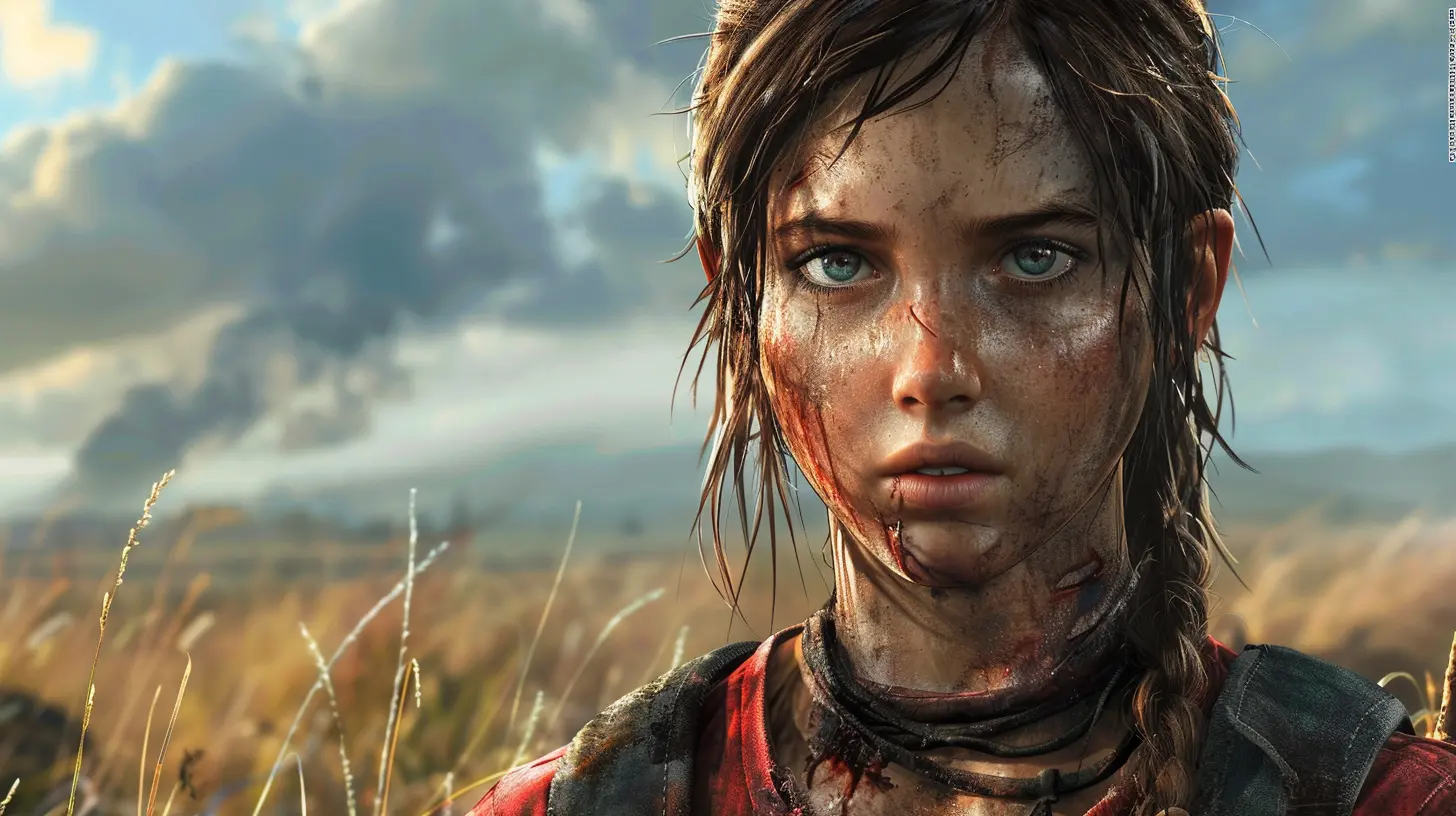
It’s not just about having fun. There’s science here. When you engage with something tied to strong emotional memories, it activates the hippocampus and other parts of the brain involved in memory and emotion. That’s why a familiar theme song or in-game jingle can give you goosebumps.Games aren’t just media—they’re interactive experiences that shape who we are. So when a childhood favorite returns with a fresh coat of paint, the emotional impact is amplified big time.
Let’s break down a few emotional triggers that remasters tap into:
1. Reconnection with Identity
Remember who you were when you first played that game? The dreams you had, the fears you fought, and the sense of wonder you carried? Playing a remastered game helps reconnect you with that version of yourself.It’s like sending a letter to your past self, only this time, they reply.
2. A Sense of Continuity
Life’s chaotic. But video game remasters offer a strange sense of stability. In a world that keeps changing, there’s comfort in revisiting a storyline or character that hasn’t forgotten your name.It’s a strange kind of emotional anchor. You feel grounded—even just for a few hours.
3. Healing and Closure
Some players return to old games as a form of emotional healing. Maybe you played a certain game during a rough patch in life. Re-experiencing it now, with updated features and fresh polish, can feel like rewriting a chapter in your inner storybook.You get to revisit the past—not to change it, but to understand it better.
The Impact on Mental Health
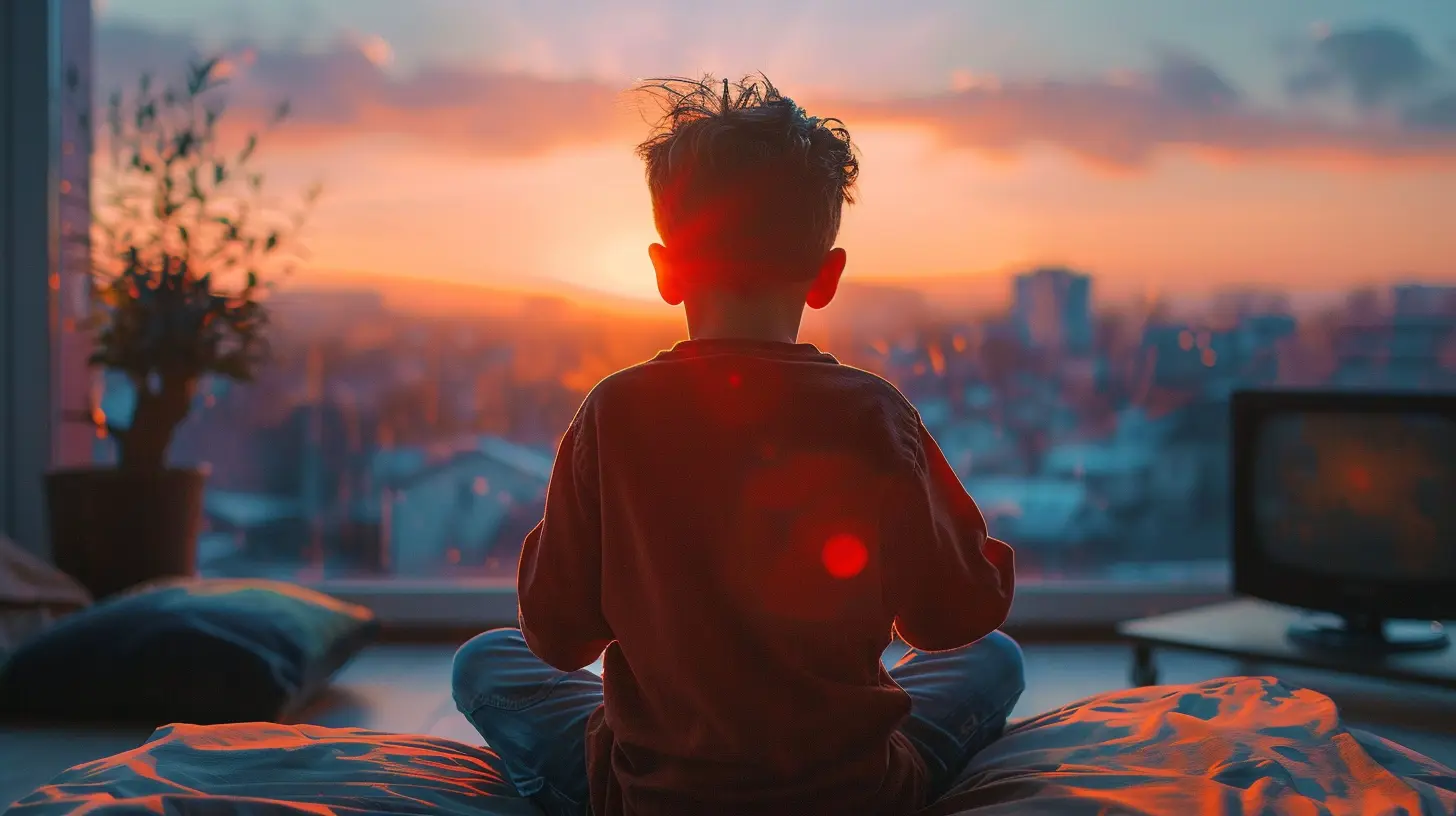
Believe it or not, revisiting old games can be therapeutic. Sound far-fetched? It’s not. There’s a growing body of research that shows how nostalgia—especially through medium like games—can improve mood, make people feel more connected, and even counter loneliness.A Safe, Familiar Space
When life gets overwhelming, slipping back into a game you know like the back of your hand offers a kind of psychological breather. It's predictable, comforting, and oddly empowering.You don’t have to learn the ropes again. You already belong there.
Processing Emotions
A remastered game can bring back memories of where you were mentally and emotionally when you first played it. That can be intense—but also healing. Whether it's joy, sadness, or even grief, revisiting those emotional anchors helps process feelings you might not have realized were still lingering.Remasters Vs. Remakes: They’re Not the Same Thing
Quick mini-lesson: A remaster upgrades what's already there—think better graphics, smoother frame rates, maybe some QoL (quality of life) adjustments. A remake, on the other hand, rebuilds the game from the ground up.Both have emotional weight, but remasters preserve the original soul more directly. You're essentially walking through the exact same world, wearing better glasses.
That makes the emotional connection even more visceral. You're not just remembering—you’re reliving.
Community and Shared Nostalgia
Have you ever played a remastered classic and then jumped online to see what others thought? Chances are, others were on the same emotional rollercoaster.There’s something deeply bonding about sharing nostalgia. Suddenly, you're part of a larger club of people who “get it.” The forum threads, reddit posts, reaction videos—they're all part of a collective memory dive.
Emotional Echo Chamber? Maybe. But In a Good Way.
When a game from your youth returns, it creates an emotional echo across the gaming world. Everyone brings their own personal story to it, but the shared connection makes the experience richer.It’s weirdly comforting to know that thousands of others felt the same lump in their throat when hearing that title screen jingle again.
When It's Done Right (And When It’s Not)
Let’s be honest. Not all remasters hit the mark. Some are lazy cash grabs that amp up resolution and slap on a higher price tag. Others rework the UI so much that it loses the original vibe.But the good ones? They’re love letters. Not just to the fans, but to the original developers, the game’s legacy, and the players who grew up with it.
Games like the Crash Bandicoot N.Sane Trilogy or Final Fantasy X HD Remaster strike a balance between nostalgia and modernization. They retain the soul while polishing the surface. That’s the sweet spot. That’s where the emotions really flood in.
Final Thoughts: Why We Keep Going Back
So why do we keep playing these remasters? Why do we get teary-eyed at outdated cutscenes or emotional over pixelated dialogue?Because it matters.
Because those games shaped us—not just as gamers, but as people. They were there when we needed an escape, a challenge, a laugh, or a win. And when they re-enter our lives with new polish and the same heart, we’re reminded of just how far we’ve come—and how much we’ve held onto.
Next time you boot up a remastered game from your youth and feel that emotional gut punch, don’t dismiss it. Embrace it. That’s not just nostalgia—that’s a part of your story saying hello.
all images in this post were generated using AI tools
Category:
Remastered GamesAuthor:

Brianna Reyes
Discussion
rate this article
2 comments
Patrick Horne
Nostalgia amplifies emotional connection.
April 6, 2026 at 4:02 AM
Brianna Reyes
Absolutely! Nostalgia deepens our emotional ties, making the experience of playing a remastered childhood favorite even more profound and impactful.
Bear McRae
Remastered games evoke nostalgia, deepening emotional connections to memories.
April 5, 2026 at 4:09 AM
Brianna Reyes
I completely agree. Remastered games really bring back those feelings and memories, making us relive our favorite moments. It's a powerful experience.