Gaming and Relationships: Tips for Healthy Boundaries
4 May 2026
Gaming is more than just a hobby — for many of us, it’s a passion, a stress reliever, and even a way to connect with friends across the globe. But let's be real: when gaming starts creeping into every aspect of your life, especially your relationships, things can get a bit messy.
You’re not alone if you've ever heard the dreaded “Are you still playing that game?” or felt that pang of guilt after a six-hour gaming session. Balancing gaming and relationships is totally possible — it just takes a bit of give and take, much like any other part of life.
Let’s break it down together — no guilt, no judgment — just real talk on how to set healthy boundaries so you can enjoy your game time and still be present with the people who matter most.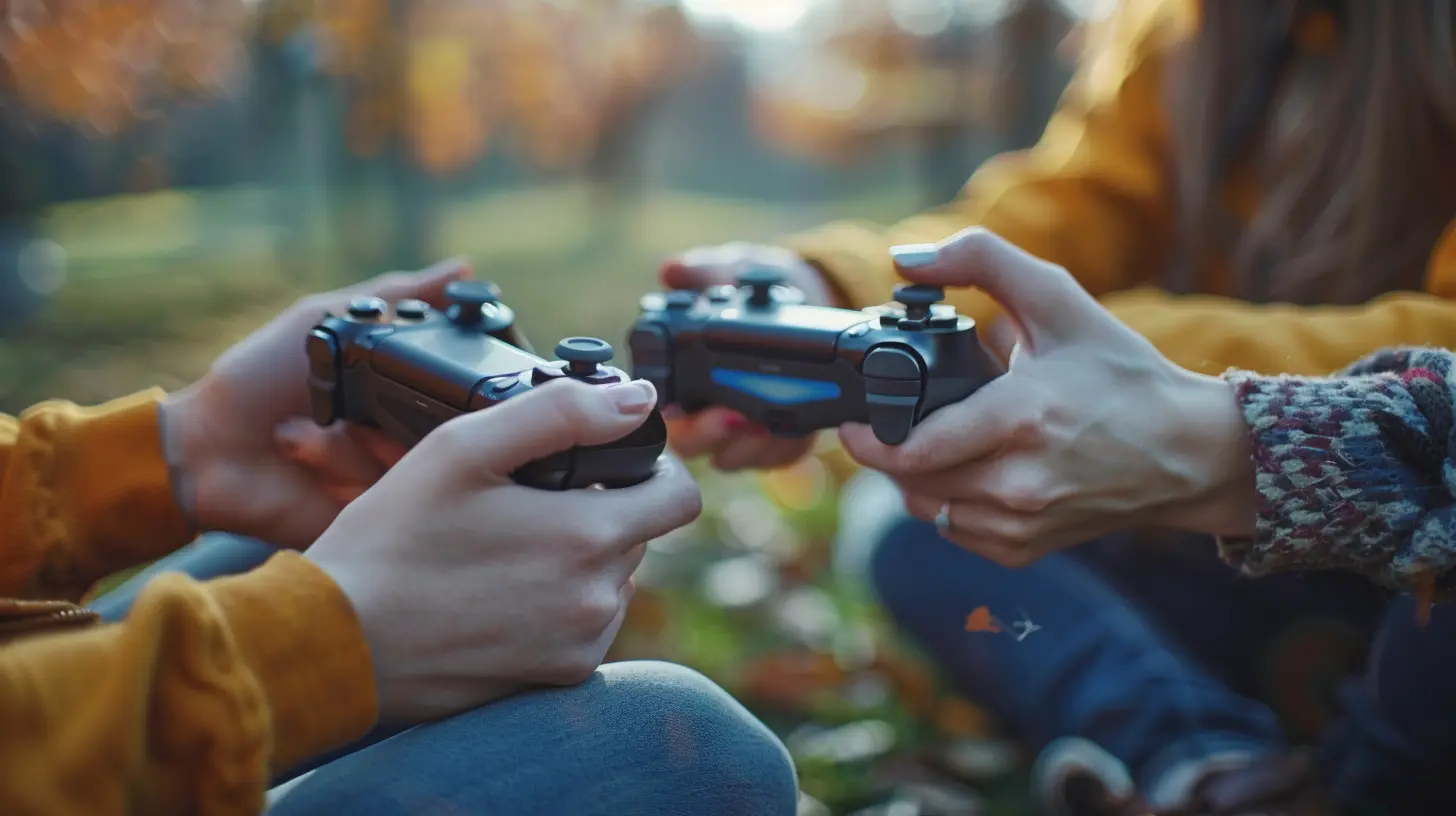
Why Gaming Can Strain Relationships
Before we dive into the “how,” let’s talk about the “why.” Not all gamers face relationship issues, but when problems do crop up, they usually boil down to three things:- Time management
- Communication gaps
- Different priorities
When one partner feels ignored or less important than a virtual world, it’s easy for resentment to grow. It’s not the gaming itself that’s the issue — it’s often the imbalance it creates.
Remember: relationships need attention just like in-game characters need XP. If one side feels neglected, things can fall apart faster than a poorly planned raid.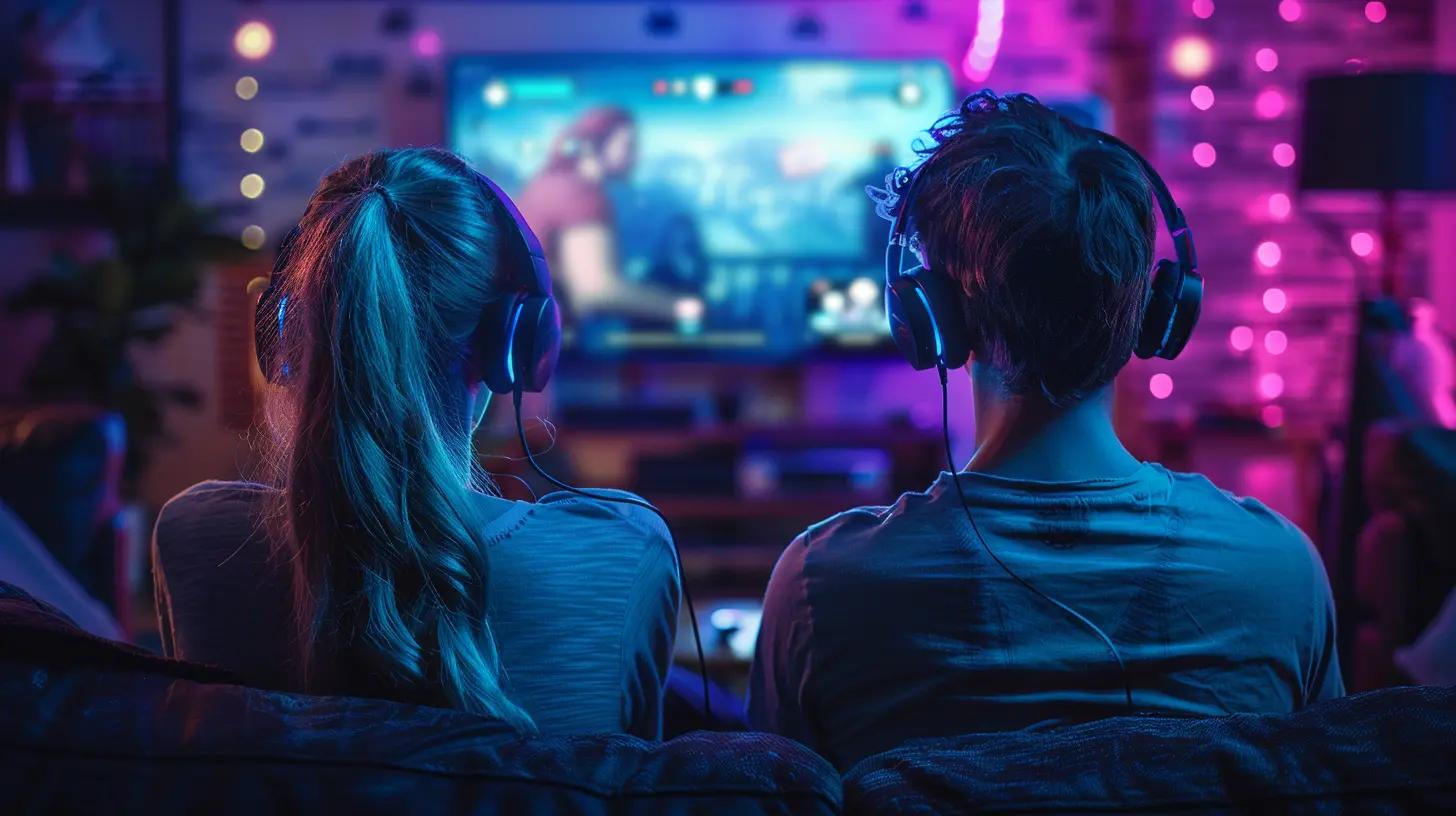
Set Gaming Schedules That Work for Both of You
Let’s be honest: gaming time can quickly become a black hole. You sit down for “just one match,” and five hours later, oops — dinner plans are out the window.Creating a realistic gaming schedule is one of the easiest ways to avoid this. Talk with your partner about the times you typically game and set clear boundaries around it. Maybe you game more on weekends and spend weekday evenings together. Or perhaps you set “no-gaming nights” during date night or family time.
? Pro Tip: Use shared calendars or phone reminders to balance both social and gaming commitments. That way, no one's left guessing when you’ll be AFK (away from relationship, in this case).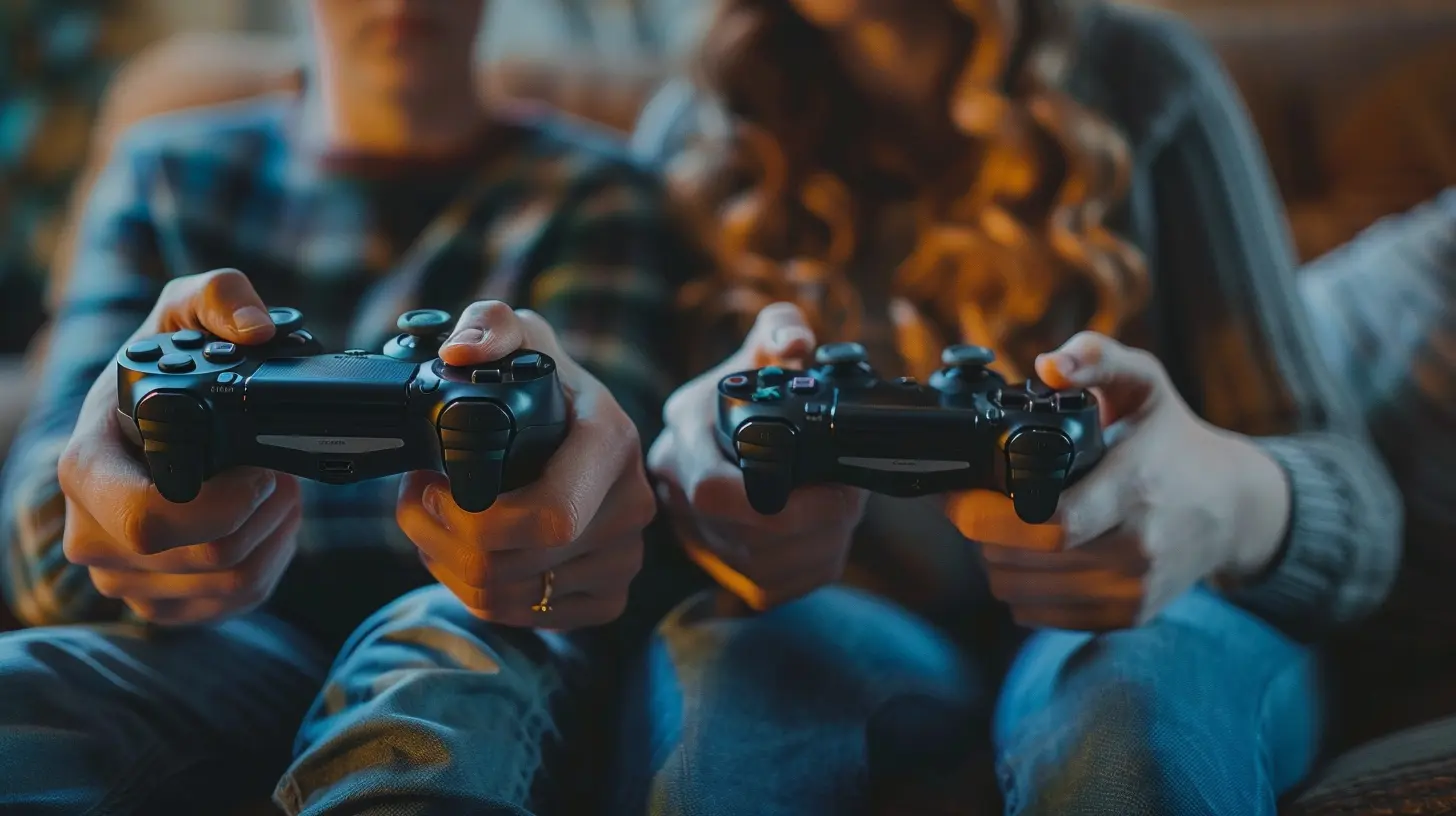
Communication Is Not Optional — It's Health Potion for Your Relationship
Here’s the truth bomb: unless you talk about your gaming habits and how they affect your partner, nothing’s going to change.Start the convo with honesty and empathy. Try something like:
“Hey, I’ve noticed I’ve been playing a lot lately, and I want to make sure you’re not feeling left out.”
It’s not about defending your gaming time — it’s about making sure both of you feel seen and heard.
And if your partner’s not a gamer? Walk them through why you love it. Maybe they don’t get the thrill of a headshot or the satisfaction of a perfect build, but they’ll appreciate the effort to include them.
Define What "Healthy Boundaries" Mean for You As a Couple
Boundaries aren’t walls — they’re bridges. They keep things balanced, respectful, and connected.Think of it like this: When you're gaming, you're in a co-op mission with your partner too. You need to know your roles, respect each other’s limits, and communicate if things go off-track.
Here are a few healthy gaming relationship boundaries to consider:
- No gaming during meal times or important conversations.
- Capping daily or weekly gaming limits.
- Game-free zones (like the bedroom).
- Always prioritizing real-life events over in-game ones.
You don’t need to set strict rules that make gaming feel like a chore. Just think “mutual respect” over “restriction.”
Invite Them Into Your World (If They’re Interested)
Not every partner will want to jump into your favorite MMORPG or FPS, and that’s okay. But if they’re curious, don’t gatekeep! Invite them in, show them the ropes, and most importantly — be patient.Co-op games, casual mobile games, or story-driven titles can be great entry points. Try titles like:
- It Takes Two – perfect for couples
- Stardew Valley – relaxing and fun to build a little farm together
- Animal Crossing – chill and adorable
- Mario Kart – chaos, but in the best way
Gaming together can actually boost your bond. It’s like shared Netflix time but more interactive and way more fun.
Respect Their Interests, Too
Let’s flip the perspective for a second. Imagine if your partner loved painting, and all you did was side-eye them every time they picked up a brush.Ouch, right?
Just like gaming matters to you, their hobbies matter to them. Make a habit of balancing your shared time. Give equal weight to movie nights, outdoor activities, or whatever lights their fire.
They might not love gaming, and you might not love yoga or true crime podcasts — but mutual support? That’s a game-changer.
Take Breaks — Your Mind and Relationship Will Thank You
Gaming burnout is real, and so is relationship burnout. When you’re spending more time online than offline, you’re missing opportunities to recharge and reconnect.Unplug every now and then. Go for a walk, cook something together, or just sit on the couch and chat. Your game will still be there when you get back. Plus, taking breaks makes both your relationship and your gaming sessions feel refreshed.
Think of it like respawning — you come back stronger.
Watch for Warning Signs
Sometimes, the line between “passion” and “problem” can blur. If you or your partner notice any of these signs, it might be time for a deeper convo:- Constant arguments over game time
- Canceling real-life plans for in-game events
- Feelings of isolation or loneliness
- Getting defensive about gaming, even when concerns are valid
None of this means you’re a bad partner, or that gaming is bad. It just means something might be a bit out of balance and needs a tune-up. Think of it like checking your internet connection — a little maintenance helps avoid bigger crashes later.
Don’t Use Gaming as an Escape From Relationship Issues
It’s tempting to dive into a digital world when real life feels heavy. But if you're using games to avoid conflict or emotional stuff with your partner, that’s a red flag.Sure, gaming can be therapeutic. But it shouldn’t be your only coping strategy.
If there's tension, avoiding it won't make it disappear — it’ll just bubble under the surface until it explodes like a creeper in Minecraft. Talk it out. Face it head-on. That’s how you level up IRL.
Support Each Other’s Goals
Maybe your partner’s studying for a big exam. Or applying for a dream job. Or juggling work deadlines. Be mindful of that.Support them the way you’d want them to support you when you’re grinding for a rare drop or climbing the leaderboard.
Encouragement, shared excitement, and understanding — these things go a long way. After all, you’re not just coexisting… you’re co-oping through life.
When Gaming Becomes More Than a Hobby
Let’s not forget that for a lot of people, gaming is also a career or side hustle. Streamers, content creators, esports players — the stakes are different.If this sounds like you, it’s even more important to communicate your goals clearly. Let your partner know it’s not “just playing games” — it’s business, it’s effort, it’s a grind.
But even then, balance is still key. Don’t lose your relationship in the chase for success. You can crush goals and still be emotionally available.
Quick Tips for Gamers in Relationships
Here’s a roundup of bite-sized advice to help you keep love and gaming in sync:? Schedule game time
? Talk openly
? Create boundaries together
? Make quality time count
? Include your partner (if they’re interested)
? Respect their hobbies
? Prioritize real-life needs
?️ Don’t game to avoid problems
? Take breaks
? Grow together
At the end of the day, happy relationships don’t mean giving up gaming — they’re built by balancing your worlds. You can be a dedicated gamer and an attentive partner at the same time.
With a little intention and a lot of communication, you’ll find that sweet spot where your relationship thrives — and your gaming life doesn’t suffer.
Final Thoughts
Gaming can be an awesome part of your life — but it shouldn’t be your whole life. Relationships need time, effort, and connection, just like any good co-op mission. With the right mindset and healthy boundaries, it's totally possible to be a passionate gamer and a supportive partner.So next time you boot up your console or log into your favorite server, take a second to check in with your other half, too. Because nothing beats leveling up in love and life — together.
all images in this post were generated using AI tools
Category:
Gamer LifestyleAuthor:

Brianna Reyes
Discussion
rate this article
2 comments
Leona Stevens
Great insights on balancing gaming and relationships! Setting healthy boundaries can truly enhance both experiences. It's all about communication and understanding each other's needs. Keep gaming and thriving together!
July 13, 2026 at 3:22 AM
Brianna Reyes
Thanks for your thoughts! Communication really is key to making both gaming and relationships work well. Glad you found the tips helpful!
Roman Porter
Great article! Balancing gaming and relationships can be tricky, but setting boundaries is key. Communication is crucial-talk openly about time spent gaming and make sure to prioritize quality time with loved ones. It's all about finding that sweet spot where both gaming and relationships thrive together.
May 7, 2026 at 3:16 AM