How Gaming Can Help You Build Real-World Skills
29 April 2026
Ever been told that gaming is a waste of time? That it's just mindless entertainment? Yeah, we’ve all been there. But what if I told you that gaming can actually sharpen your real-world skills — and not just in some vague, motivational poster way. We’re talking communication, leadership, decision-making, even time management — all from the comfort of your controller or keyboard.
So, grab your favorite gaming headset, settle into your chair, and let’s unpack how gaming might just be the training ground for skills you didn’t know you were building.
The Hidden Skill Tree: How Games Train Your Brain
Think of your brain like an RPG character. Every time you play, you’re investing XP into different skill branches — even if it doesn’t feel like it. Games are designed to challenge you, push your limits, and encourage critical thinking. You’re adapting, planning, and reacting — constantly.? Strategic Thinking and Problem Solving
Let’s start with strategy. Whether you’re planning your next move in Civilization VI or organizing a tactical play in Valorant, games force you to think ahead, calculate risk vs. reward, and sometimes pivot on a dime. These aren’t just game mechanics — they’re mental reps.- Puzzle games like Portal require creative problem-solving.
- RTS games like StarCraft demand resource management and foresight.
- Even boss fights in RPGs ask for adaptability and pattern recognition.
Now tell me — doesn’t that sound eerily similar to everyday confrontations in real life? From solving a crisis at work to figuring out how to pay your bills on time — that same mental muscle is in play.
? Cognitive Flexibility and Multitasking
Gamers are multitaskers — it’s just a fact. In fast-paced titles like Overwatch or Apex Legends, you’re juggling movement, communication, and decision-making all at once. It’s like spinning plates while riding a unicycle — except with explosions.This kind of play significantly enhances your cognitive flexibility — your brain's ability to switch between concepts, tasks, or strategies smoothly. In the real world? That translates to staying cool under pressure and managing chaos like a pro.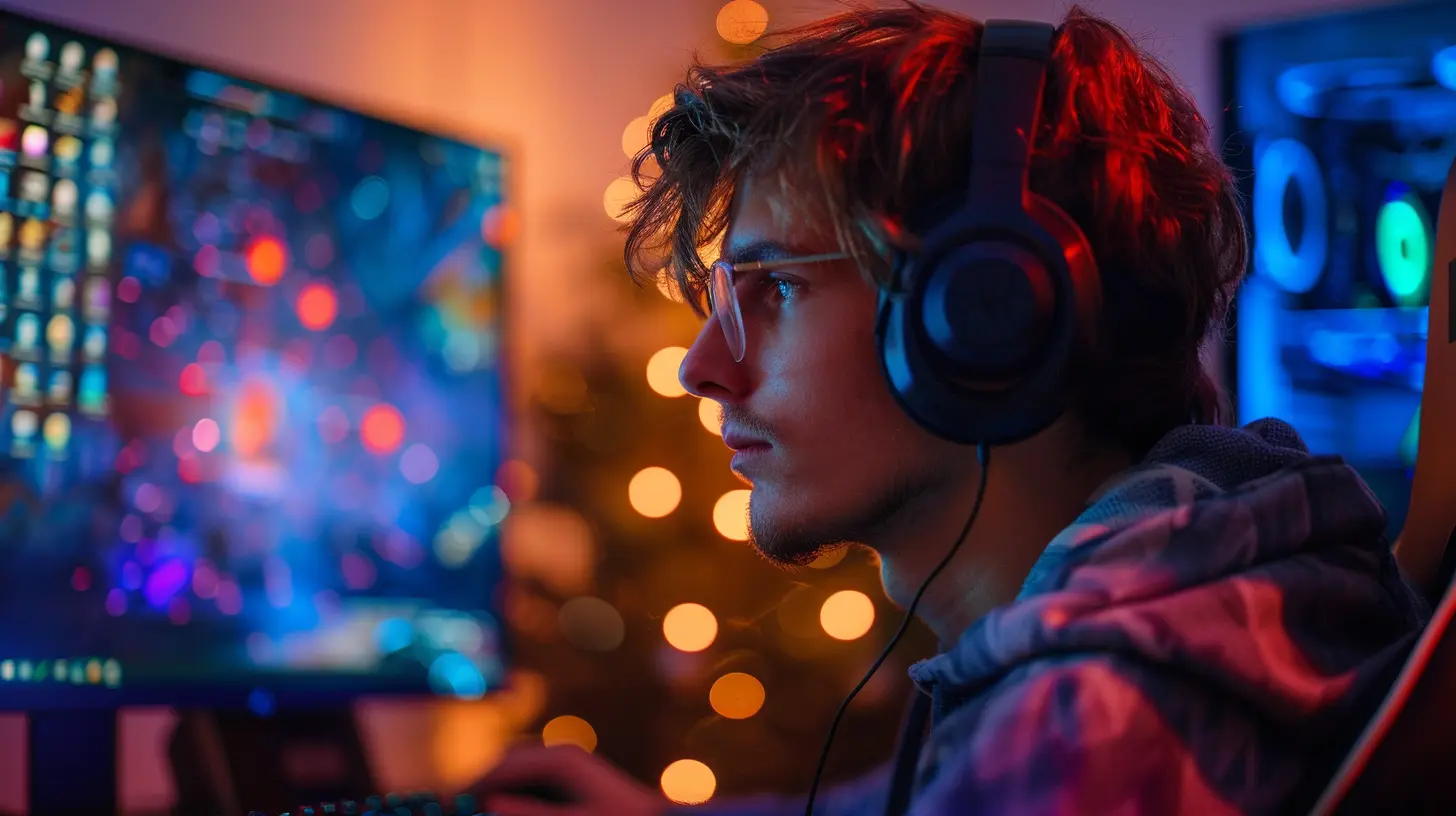
Squad Goals: Communication and Teamwork
You know that rush when you and your squad pull off a perfectly timed ambush in Warzone? That’s not luck — that’s coordination, trust, and communication.? Voice Chat = Real-Time Team Meetings
Online multiplayer games, especially team-based ones like League of Legends, Fortnite, and Dota 2, are prime venues for building communication skills. You learn quickly who’s got solid callouts, who can delegate, and who falls apart under pressure.You’re essentially in a high-stakes meeting every match — but with more grenades.
?? Leadership and Conflict Resolution
Ever found yourself organizing a raid or leading a clan? That’s leadership in action. You’re managing people, schedules, and egos — welcome to real-world managerial training, gamified.And you know what else? You’re resolving conflicts on the fly. Who gets loot? Who sits out the next match? That’s diplomacy, negotiation, emotional intelligence — the works.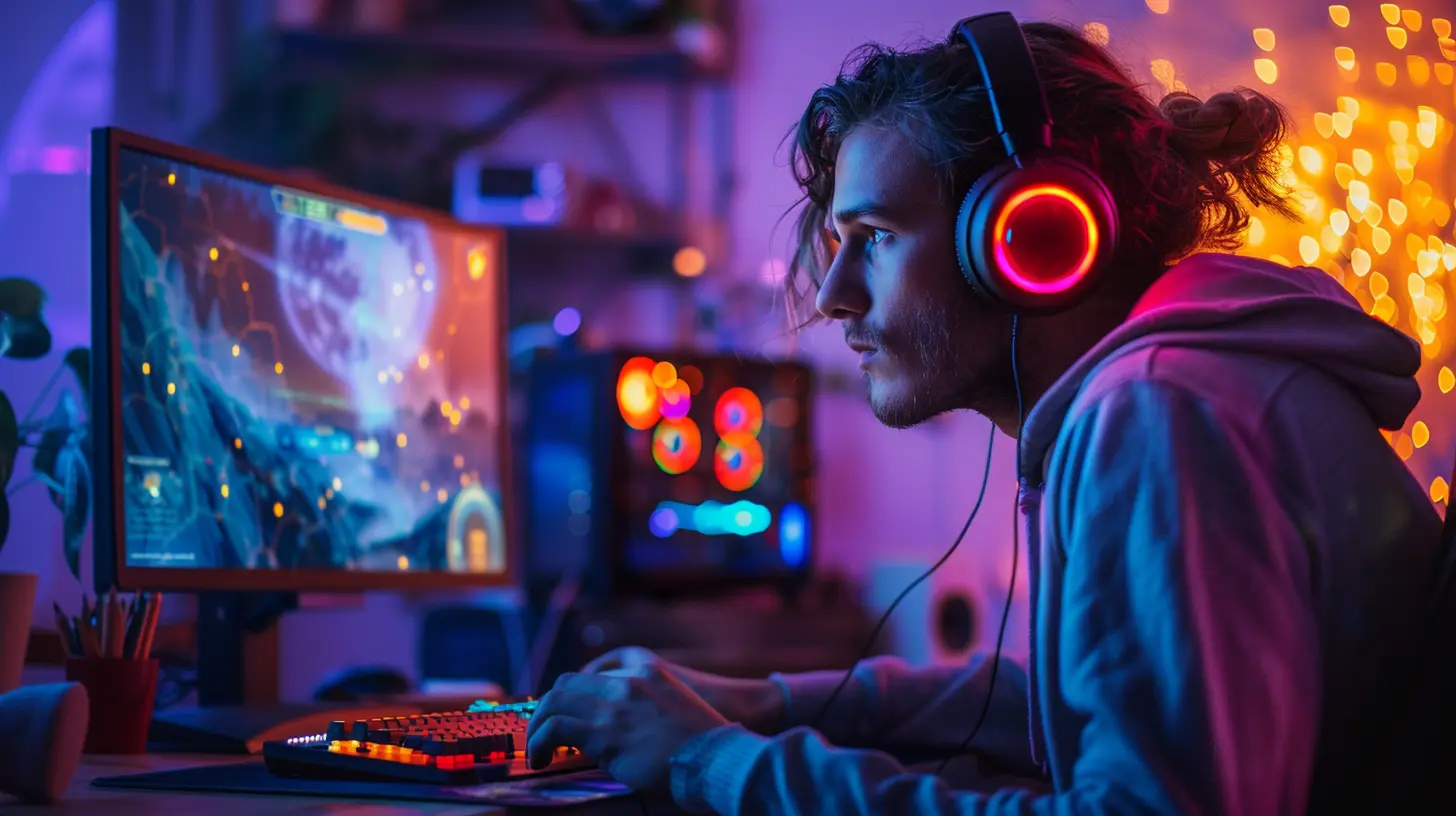
Leveling Up Your Emotional Intelligence
Games aren’t just about action and pixels. Many are emotional rollercoasters, telling stories that tug at your heartstrings or present moral dilemmas that make you question your own decisions.? Understanding Perspectives
Games like The Last of Us or Life is Strange drop you into someone else’s shoes — sometimes literally. You feel what they feel, live through their choices, and view the world from a new angle.That’s empathy, and it’s a cornerstone of emotional intelligence.
? Dealing With Frustration
Let’s face it — gaming can be rage-inducing. One little lag spike, and boom — game over. But here’s the thing: every failure is a lesson, every loss a nudge to improve. You learn patience, perseverance, and how to regulate your emotions.Not a bad emotional workout from something that started as fun, right?
Time Management: Beat the Clock (Literally)
Gamers know time is precious. Whether it’s managing cooldowns, crafting timers, or completing missions before the sun sets (looking at you, Majora's Mask), games teach you how to use time wisely.⏳ Real-World Application
Ever juggled daily quests with work, school, or life events? That’s time management with a layer of prioritization. You’re learning when to optimize, when to pause, and when to grind.Plus, let's not ignore the discipline required to coordinate schedules for a raid night with six other players — who all live in different time zones. That’s pro-level calendar management right there.
Decision-Making Under Pressure
Gamers are decision machines. You’re constantly analyzing information, predicting outcomes, and adjusting courses — all in real-time.⚡ Fast Decisions, Big Consequences
Picture this: You’re the last one standing in a 1v3 situation in CS:GO. You hear footsteps, you’re low on ammo, and the clock is ticking. What do you do?Your brain jumps into overdrive. That kind of high-pressure, fast-paced decision-making doesn’t just go away when you log off. It follows you into job interviews, fast-changing work environments, and even stressful social situations.
Creativity: Building Worlds from Imagination
Sandbox games like Minecraft, Terraria, or even the level editors in Mario Maker let you unleash your inner architect, engineer, and storyteller.? Turning Concepts into Projects
Ever built a skyscraper out of redstone circuitry? Designed a themed park in Planet Coaster with custom music and lighting? That’s project-based learning wrapped in creativity.You’re planning, building, testing, iterating — real-world development cycles in disguise.
Gaming Isn’t Just Play — It’s Practice
We’re so trained to think that learning must be boring, structured, or formal. But the best kind of learning? It sneaks up on you.Gaming offers a natural, immersive, and often social way to build core life skills without even realizing it. And because it’s fun, you’re more likely to stick with it and get better over time.
Let’s recap what’s being fine-tuned every time you pick up a controller:
- Strategic thinking
- Problem-solving
- Emotional regulation
- Teamwork
- Communication
- Leadership
- Creativity
- Time management
- Quick decision-making
That’s not just a hobby — that’s a toolkit.
But Wait… Isn’t Gaming Still Addictive?
Sure, like anything, moderation matters. Yes, games are designed to hook you, but so are Netflix, TikTok, and basically every app on your phone.The key is balance. Use gaming intentionally — not as an escape, but as an enhancement.
Mix play with purpose, and suddenly, your favorite pastime becomes your secret weapon.
Gamers Make Great Professionals — And That’s No Accident
Huge companies now consider gaming experience as a plus. Why? Because gamers often come equipped with the ability to adapt, solve problems, and collaborate in fast-paced environments.Whether you’re eyeing a role in tech, marketing, management, or even healthcare, the skills you’ve honed through hours of gameplay can give you a surprising edge.
And no, you don't need to plaster your Kill/Death ratio on your resume — but leadership in a top-tier guild? Definitely worth mentioning.
Final Thoughts: It's Game On for Personal Growth
Look — you don’t need to defend your love for gaming anymore. You just need to understand what it’s offering beneath the surface.Sure, not every game turns you into Einstein, but the immersive, engaging nature of games can train your brain in ways traditional methods just can’t.
So next time someone tells you to “go outside” or “do something useful,” just smile. Because you know you’re not just playing — you’re leveling up in life.
And hey, that’s a win worth grinding for.
all images in this post were generated using AI tools
Category:
Gamer LifestyleAuthor:

Brianna Reyes
Discussion
rate this article
2 comments
Sierra Blair
While gaming can enhance problem-solving and teamwork, the real challenge lies in translating those virtual skills into everyday situations. It's crucial to actively practice and apply these skills beyond the screen.
July 3, 2026 at 4:46 PM
Brianna Reyes
You're absolutely right. It's all about applying what we learn in games to real-life situations. Practicing those skills outside the virtual world is key to truly benefiting from our gaming experiences.
Haven McCaw
This article highlights an often overlooked benefit of gaming: skill development. Games can enhance critical thinking, teamwork, and problem-solving abilities. By engaging in these virtual challenges, players may find that they are not just having fun, but also preparing for real-world scenarios.
June 2, 2026 at 5:05 AM
Brianna Reyes
Absolutely! Gaming does provide valuable skills that players can apply in real life. It's great to see this benefit recognized.