Esports Team Rosters: A Closer Look at the Talent Pool
25 January 2026
Let’s talk about esports rosters. You know, those magical conglomerates of pro players that make you go, “How did they even pull that off?” Yeah, those lineups that look like a fantasy football team gone rogue but for gaming instead. Whether you’re into MOBAs, FPS titles, or battle royales, every esports roster is like a carefully curated Spotify playlist—except instead of bangers, it’s full of fraggers.
In this article, we’re going to dive headfirst into the world of esports team rosters: why they matter, how they’re built, and what makes these teams tick. Fasten your gaming headset—it’s gonna be a wild ride.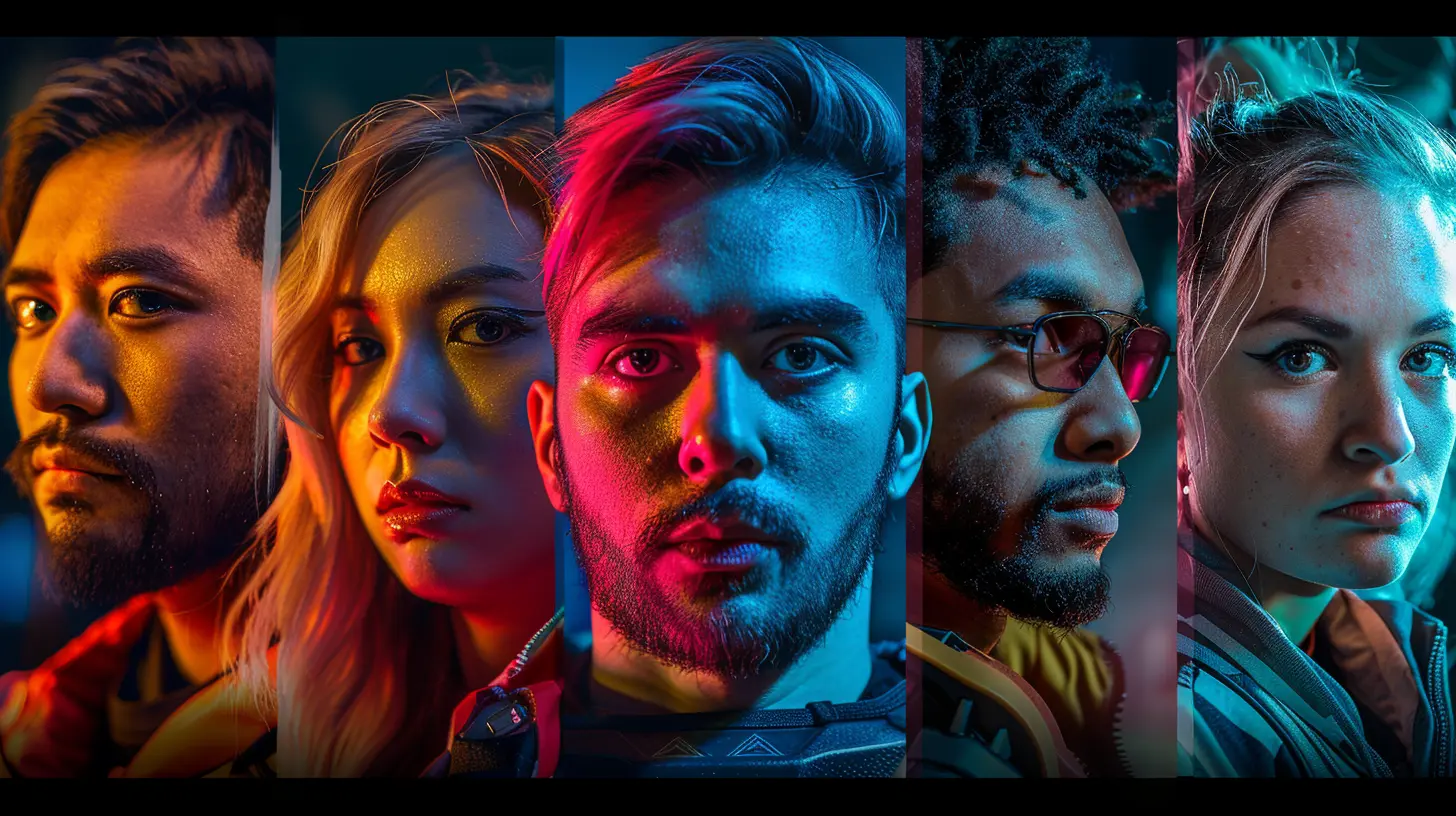
Why Esports Rosters Are the Backbone of Competitive Gaming
Picture this: You’ve got a $10,000 PC setup, a jaw-dropping gaming chair that looks like something ripped from a Formula 1 car, and a game you’ve clocked 3,000 hours on. Question: Does that make you a pro gamer? Spoiler alert—nope. Competitive gaming isn’t just about flashy hardware or logging insane hours. It’s about working as a team, strategizing in the heat of battle, and knowing when to clutch or hold.That’s where esports rosters come in. They’re not just a bunch of sweaty tryhards clicking heads; they’re well-oiled machines. The perfect roster strikes a balance between raw talent, synergy, and roles. Think of it like assembling The Avengers—every player has their sweet spot, whether they’re the Captain America of shot-calling or the Hulk of stomping noobs.
Building a Killer Esports Roster: Easier Said Than Done
Ever tried organizing a group project and wished you could vote people off the island? Welcome to esports recruiting. Building a roster isn’t just about picking five or six cracked players and hoping for the best. Oh no, it’s an art form. Teams scout for skill, adaptability, and chemistry. And yes, they will judge you if you tilt over losing pistol rounds.1. Skill Is King (But Not the Only Thing)
First off, you can’t ignore raw ability. When you’ve got someone who can 360 no-scope across the map or out-macro an entire enemy team, you hold onto them tighter than your last slice of pizza. But don’t let talent fool you—having a God-tier aim doesn’t matter if you’re allergic to teamwork.2. Roles, Roles, and More Roles
Every esports team is a puzzle, and roles are the pieces. You’ve got entry fraggers, supports, shot-callers, IGLs (In-Game Leaders), and more. Without assigned roles, it’s like a pick-up basketball game where nobody wants to play defense—chaotic and frustrating.“Wait, what’s an IGL?” Oh, you sweet summer child. The IGL is essentially the team’s brain. They call the shots, devise strategies, and keep everyone in line when the pressure’s cranked up to 11. Basically, they’re the Gandalf of esports: You shall not pass without their permission.
3. Synergy Isn’t Just for RPGs
You can’t slap together five MVPs and call it a day. Chemistry is the secret sauce. A team without synergy is like a group project where only one person does all the work. The best teams are those where everyone knows their role and operates like clockwork. Bonus points if they can roast each other in group chat and still be friends afterward.
The Ever-Changing Roster Shuffle: Esports' Favorite Soap Opera
If there’s one thing more dramatic than a streamer’s reaction to losing their rank, it’s the esports roster shuffle. You can’t NOT love it. Players swapping teams, surprise retirements, and free agents appearing out of nowhere—it’s like Game of Thrones, but with less dragon fire and more Twitter drama.1. Transfers Galore
One day, your favorite player is the cornerstone of Team A, and the next, they’re on Team B, claiming they’ve “found a better fit.” Transfers are the bread and butter of esports rumors. Fans go wild speculating about who’s going where, and organizations milk the suspense for all it’s worth. It’s like transfer season in soccer but with more memes.2. The Free Agent Frenzy
Free agents are the lone wolves of the esports world. Some are seasoned veterans looking for their next home, while others are the hot new rookies everyone’s drooling over. Picking up the right free agent can make or break a roster, so teams treat this like a high-stakes poker game. Except instead of poker chips, it's gamer cred.3. The Revenge Arc
Nothing beats a good old-fashioned revenge story. A player gets dropped from a team, joins a rival squad, and then—plot twist—absolutely obliterates their former teammates in a high-stakes match. You can’t script this stuff. Drama like this is proof esports is part sport, part soap opera, and 100% entertainment.
All-Star Rosters: When Talent Pools Push the Limits
There are esports rosters out there so stacked with talent, you wonder how the universe hasn’t imploded yet. These are the "superteams" that make everyone else look like they’re playing with a trackpad.Take Team Secret in Dota 2, for example. Their roster at times has felt like it was assembled by Thanos, snapping up top-tier players from every corner of the globe. Or how about FaZe Clan’s CS:GO lineup? These guys are like the Ocean’s Eleven of fragging—each player brings something ridiculously unique to the table.
But here’s the catch: Superteams don’t always work. Sometimes, the egos are too big, the synergy is nonexistent, or they just can’t handle the pressure. It’s like putting five Michelin-star chefs in a kitchen to make a PB&J—there’s a chance they’ll mess it up.
The Dark Horse Effect: When Underdogs Rise
We’ve talked about the juggernauts, but what about those scrappy underdog teams that come out of nowhere and crush it? These are the teams no one saw coming, the ones that make fans scream, “WHO ARE THESE GUYS?” (Always in all caps, of course.)Underdog rosters are a reminder that esports isn’t just about big names. It’s about heart, grit, and the occasional insane clutch play. And when they upset a favorite team? Oh man, the fan reactions are absolute chef’s kiss. It’s like watching a Cinderella story unfold in real-time—except the pumpkin carriage is a gaming PC.
What the Future Holds for Esports Rosters
Esports is evolving faster than your Fiber internet connection, and so are its rosters. With bigger prize pools, larger audiences, and AI analytics creeping into the scene, the future is looking brighter than a flashbang mid-match.We’re also seeing more diversity in rosters, with teams scouting talent from regions that used to fly under the radar. Who knows? Your next esports hero could be grinding in a cyber cafe in a country you didn’t even know had a competitive scene.
One thing’s for sure—esports rosters are here to stay, and they’ll keep surprising, inspiring, and entertaining us. So the next time you see a player switch teams or a roster pull off an impossible play, just remember: It’s all part of the symphony of chaos we call competitive gaming.
Final Thoughts: Rosters Are the Beating Heart of Esports
Esports rosters are more than just names on a spreadsheet. They’re stories, rivalries, and memes waiting to happen. Every roster change, every clutch play, every “how-did-they-pull-that-off” moment… it’s all thanks to the talent pool behind the screens.So whether you’re cheering for a superteam, rooting for the underdogs, or just here for the drama, one thing’s clear: Esports wouldn’t be the same without its rosters. And honestly, thank god for that—because what would we even gossip about otherwise?
all images in this post were generated using AI tools
Category:
Esports TeamsAuthor:

Brianna Reyes
Discussion
rate this article
2 comments
Carrie Clark
Behind every esports team lies a tapestry of untold stories and uncharted potential. As rosters shift like shadows in the night, the question lingers: which hidden gem will emerge from the depths of the talent pool to reshape the competitive landscape? The future is riddled with secrets waiting to unfold.
January 31, 2026 at 3:39 AM
Brianna Reyes
Absolutely! The dynamic nature of esports rosters not only reflects shifting strategies but also highlights the immense potential of emerging talent ready to make their mark.
Nora O'Brien
Great insights into the evolving landscape of esports rosters! It's fascinating to see how talent is nurtured and how team dynamics play a crucial role in success. Looking forward to more articles that delve deeper into the stories behind the players!
January 27, 2026 at 5:53 AM
Brianna Reyes
Thank you! I'm glad you found the insights valuable. Stay tuned for more articles exploring the players' journeys and team dynamics!