How Gamers Build Communities that Last
8 July 2026
Let’s be real — gaming has come a long way from pixelated screens and solo sessions on creaky desktops. Today, gaming is not just a hobby; it’s a way of life. But there’s more to it than just epic boss battles and high scores. Behind the controller clicks and headset calls lies something magical — the creation of communities that last, sometimes even a lifetime.
It’s easy to assume gamers are just people glued to screens, but in reality, they’re builders — of relationships, of trust, of virtual families. So how do gamers actually create these lasting communities? Let’s grab our virtual gear and dive in.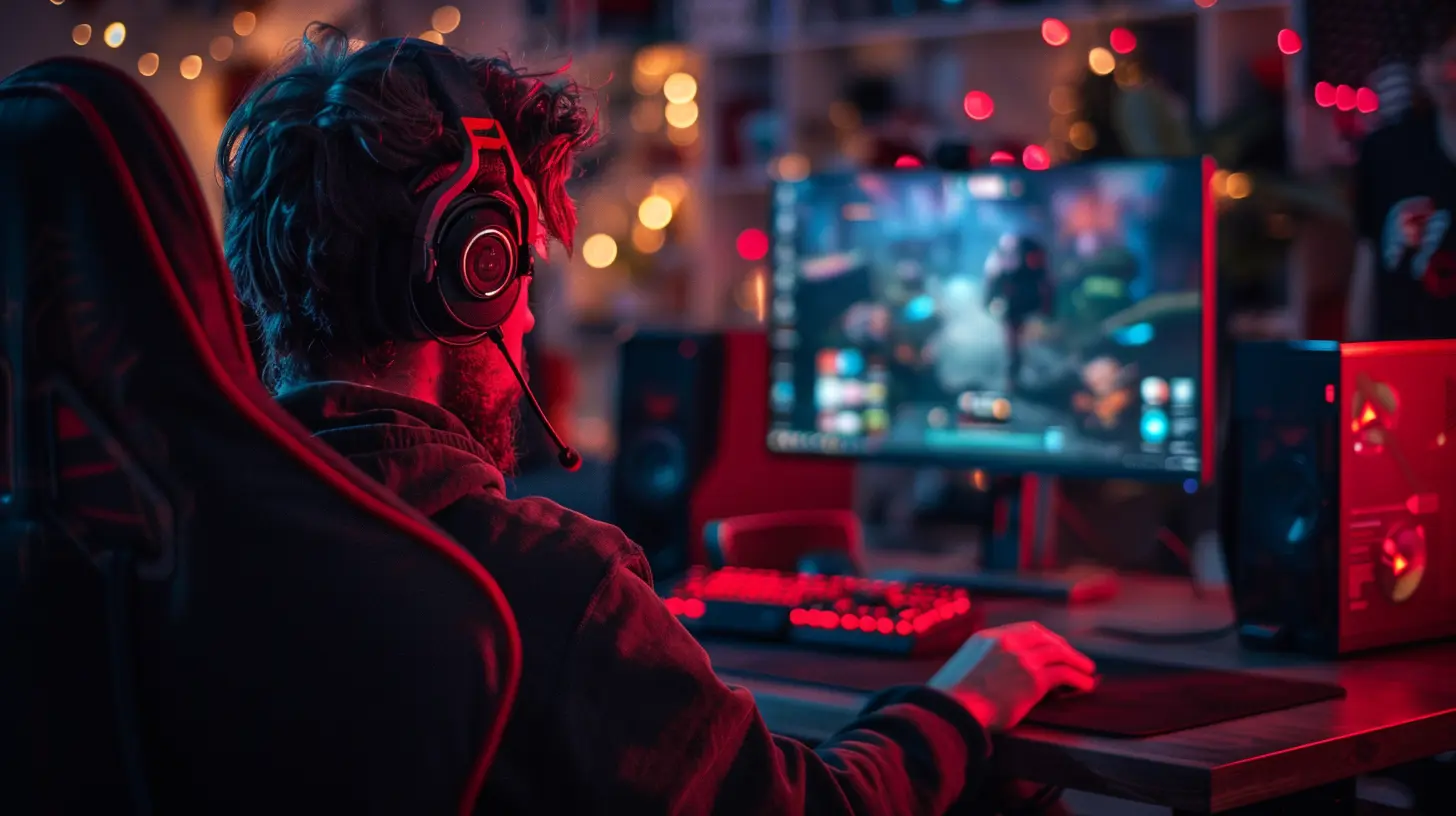
Gaming: More Than Just a Game
Before we really dig into the “how,” let’s talk about the “why.” Why do gamers even feel the need to build communities?It’s simple — humans crave connection. Whether you're playing a solo RPG or queued up in a team-based battle royale, gaming gives us shared experiences. And these shared moments? They’re the seeds that grow thriving, long-standing gaming communities.
Ever had that one teammate who saved you from certain doom in a match? Or maybe you raged together after losing to a glitch or a cheater? That shared pain (and joy) forges bonds that run deeper than we often recognize.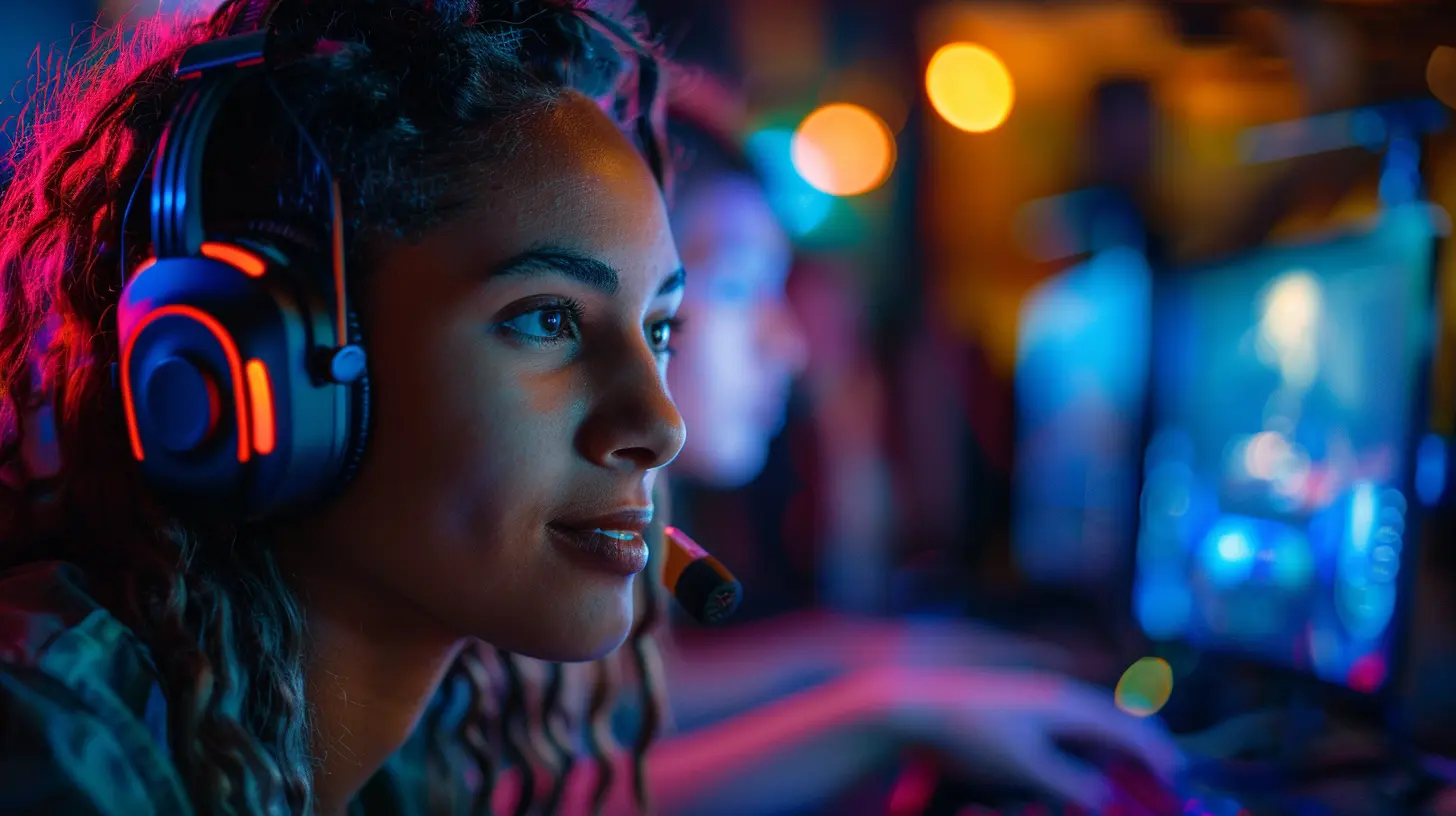
From Lobbies to Legacies: How It Starts
1. Shared Interests Spark the Flame
Every community starts with a common interest. For gamers, that’s usually a love for specific titles, genres, or platforms. It might be a mutual obsession over Elden Ring’s lore, a fascination for Minecraft builds, or even a burning passion for competitive Valorant plays.People flock together in forums, Discord servers, and subreddit threads to gush, rant, strategize, or joke about the games they love. It’s that spark — the moment someone says, “You love this game too?” — that starts everything.
2. Communication Brings People Together
No community has survived in silence. The ability to chat — through game lobbies, voice chats, guild forums, or even memes — is the heart of any group.Gamers naturally build their own language. Think about terms like “gg,” “noob,” or even shouting "let's gooo!" after a clutch win. These shared expressions form a unique culture that binds people together.
Discord in particular has become the epicenter of modern gaming communities. Think of it like the cozy lounge where everyone hangs out — talking about patch updates, sharing memes, or giving life tips during downtime. It’s never just about the game.
The Role of Trust and Respect
1. Safe Spaces Make It Stick
Want a community that actually lasts? Then it better feel safe. Toxicity might grab attention, but it doesn't build lasting bonds. Inclusive communities that welcome everyone, respect boundaries, and uplift their members are the ones that endure.Moderators, rules, and a shared understanding of what’s acceptable keep things running smoothly. Over time, these spaces evolve into genuinely supportive environments where people can be themselves — gamer tags and all.
2. Shared Challenges Build Brotherhood (Or Sisterhood!)
Nothing unites a group of strangers quite like overcoming in-game challenges together. Whether it's a massive raid in World of Warcraft, escaping The Backrooms in Phasmophobia, or finally beating a seemingly impossible Dark Souls boss — that shared victory hits different.It’s like surviving a storm together. You emerge on the other side a little different, a little stronger, and with a whole new respect for your team.
The Evolution of In-Game Guilds and Clans
You can’t talk about gaming communities without bringing up guilds, clans, or whatever your favorite title calls them. These aren’t just groups of players — they’re families in the digital realm.1. More Than Just Matchmaking
Sure, guilds start as a way to organize teams, but the best ones evolve into tight-knit crews. They schedule weekly events, host community nights, and sometimes even celebrate members' birthdays.Over time, these groups often graduate from just being "people who play together" to real-life friends. Some go on vacations together. Some attend conventions as a team. And hey, there are even couples that met in-game and got married IRL! Now that’s next level.
2. Legacy Guilds and Their Impact
There are guilds that have been running for 10, 15, even 20 years. That kind of longevity doesn’t just happen by accident — it’s proof of loyalty, shared effort, and deep-rooted connections.These guilds often have rich histories, their own inside jokes, traditions, and even leadership structures. It’s a digital dynasty.
Content Creators: The Community Catalysts
1. Streamers and YouTubers Unite Fans
Content creators are like fireworks that attract a massive audience. They may start as solo gamers sharing gameplay, but they often become figureheads of vibrant fandoms.Think about communities like the Dream SMP (Minecraft) or fans of Pokimane, Shroud, or Valkyrae. These creators don’t just entertain — they interact, engage, and foster tight-knit communities that love not just the game, but the vibe.
2. Shared Inside Jokes, Catchphrases, and Events
Streamers have a way of creating shared culture. Fans of a particular creator might chant their go-to phrases, share their memes, or attend virtual events like birthday streams or charity drives.These rituals, in turn, form the backbone of mini-communities within the larger gaming world.
Offline Bonds: When Digital Goes Real
1. Gaming Conventions and Meetups
Have you ever been to a gaming convention like PAX, BlizzCon, or TwitchCon? It’s like entering another dimension — where you realize your online friends are real people with faces and voices (weird, right?).These meetups are crucial. They take digital bonds to a physical level. You share laughs, exchange stories, and maybe even shed a tear or two when it’s time to say goodbye.
2. Supporting Each Other Beyond the Game
True gaming communities go beyond playing together. They’re there during tough times.Someone loses a job? The squad sends encouragement. Someone’s dealing with health issues? Fundraisers are organized. Someone’s feeling low? There’s a late-night VC just to talk. These aren’t just game friends — they’re lifelines.
The Power of Inclusivity in Modern Gaming
1. The Rise of Diverse Gaming Spaces
Gaming used to be labeled as a boys' club. Not anymore. Today, communities are becoming more diverse and welcoming — embracing players of all genders, identities, races, and backgrounds.Initiatives like Black Girl Gamers, Gayming Magazine, and AbleGamers are just a few examples of how the community is becoming a place for everyone.
2. Allyship and Accountability
Sure, we still face challenges like toxicity and harassment. But the community is fighting back. Players are learning to stand up for each other, call out bad behavior, and promote kindness.It’s not perfect (yet). But the changes we’re seeing? They’re real, and they’re inspiring.
Games With Built-In Community Features
1. MMOs and Sandbox Games
Games like Final Fantasy XIV, Elder Scrolls Online, and Minecraft are literally designed to keep people connected. Their in-game systems make it easy to form friend lists, create guilds, and join epic events.The result? People come for the game, but stay for the community.
2. Social Platforms Meet Game Mechanics
New titles are integrating social tools directly into the gameplay loop. Think about Fortnite’s Party Royale mode. There’s no combat, just music, dancing, and chilling with friends. It’s like a virtual mini-metaverse.These mechanics encourage players to hang out, not just play — and that’s where relationships blossom.
Staying Power: Why Some Communities Last Forever
1. Passion Is the Glue
At the heart of every lasting community is passion. When you truly love something, you’re invested. You’re in the forums, watching the patch notes, teaching newcomers, and defending your favorite character like they’re your child.2. Leadership and Organization
Strong leaders make a huge difference. Consistent moderators, reliable event coordinators, and trustworthy members form the backbone of a healthy gaming group.These folks often put in hours of unpaid work — organizing game nights, solving disputes, and mentoring newbies. They’re the unsung heroes.
3. Traditions and Rituals
Over time, communities form their own rituals. Maybe it’s the annual in-game holiday party. Or the anniversary raid. Or just the “every Friday night we squad up at 8 PM sharp” ritual. These shared habits build a rhythm, a heartbeat.And just like that, the group becomes more than just something you joined — it becomes part of who you are.
Final Thoughts: The Game Never Really Ends
When the credits roll or servers shut down, the community often survives. People move to new games together. They create group chats, start podcasts, or launch new projects. The bonds outlast the pixels.If you’re lucky enough to be a part of a gaming community that’s lasted for years, cherish it. And if you’re looking for one? Just say “gg” and dive in. You never know — your next squadmate might become a lifelong friend.
all images in this post were generated using AI tools
Category:
Gamer LifestyleAuthor:

Brianna Reyes