Gaming's Greatest Mentors and Teachers
9 December 2025
Let’s be honest—video games aren’t just about flashy graphics, high scores, or winning bragging rights. Sometimes, they’re about the people (or characters) we meet along the way. Those wise old sages, tough coaches, mysterious guides, or even unlikely companions who somehow teach us more than we expected.
That’s right. We're diving into “Gaming’s Greatest Mentors and Teachers”—the characters who didn’t just change the course of epic gaming storylines, but stuck with us long after the final boss was defeated. These aren't just NPCs with quest markers. These are the digital Yodas that passed the torch, shaped heroes, and, well, sort of parented us a bit, didn’t they?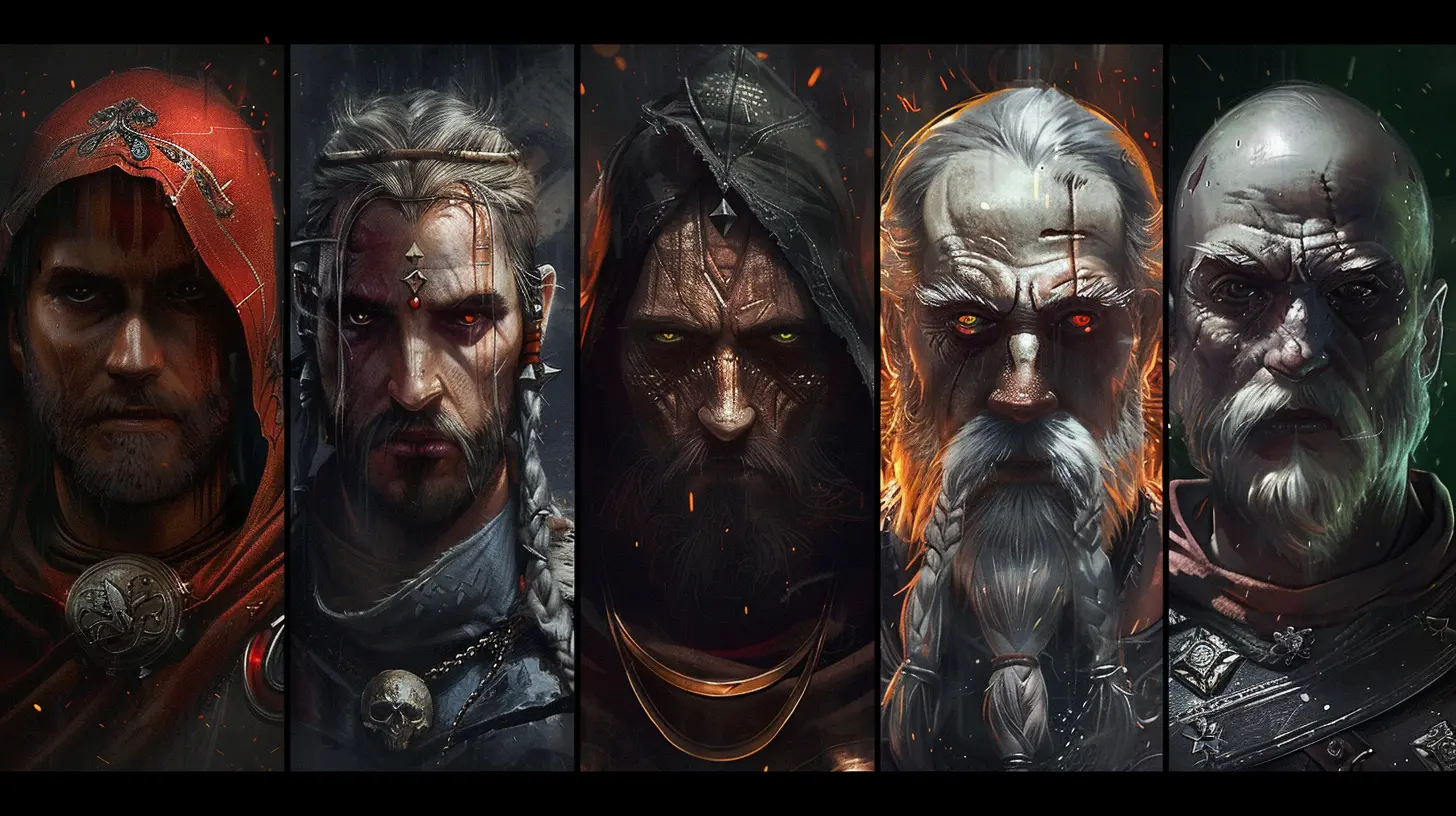
Why Do Mentors in Games Matter?
Before we start name-dropping some legendary teachers, let’s talk about why they matter. I mean, sure, they help us unlock skills or level up, but it goes deeper than that.In life, mentors push us toward growth. They push us out of our comfort zones. The same thing happens in games. Whether it’s a master warrior or a retired adventurer-turned-farmer, game mentors challenge us to be better.
They often kick off our journey, offering guidance or tough love, and sometimes (yeah, this hurts) they sacrifice themselves, leaving us to carry the torch. Think of them as emotional anchors in a sea of chaos and loot drops.
But here’s the cool part: game mentors often mirror real-world mentors. They show us the importance of patience, courage, learning from failure, and finding our own path.
1. Master Roshi (Dragon Ball Games)
Let’s kick things off with a classic. Master Roshi, the cheeky old man with a turtle shell on his back, might be easy to overlook—until you realize he’s trained some of the strongest fighters in the universe, including Goku.In the various Dragon Ball games, Roshi’s training sequences teach more than just moves—they highlight hard work, discipline, and staying humble no matter how strong you get. And yes, he might be a bit of a...character, but hey, even the weirdest teachers sometimes leave the biggest impact.
> “The path to power isn’t in shortcuts—it’s in falling down and getting back up, over and over again.”
2. Cortana (Halo Series)
Now here’s an unconventional one. Is Cortana a mentor, a partner, or something else entirely? Probably all of the above.For Master Chief (and us players), Cortana is the digital voice of reason. She’s the one who guides you through enemy territory, keeps you focused during galactic chaos, and emotionally anchors the story with her evolving AI consciousness.
Her growth throughout the Halo series reminds us that mentors can be equals—people (or AIs) who grow alongside us, make mistakes, and still teach us along the way.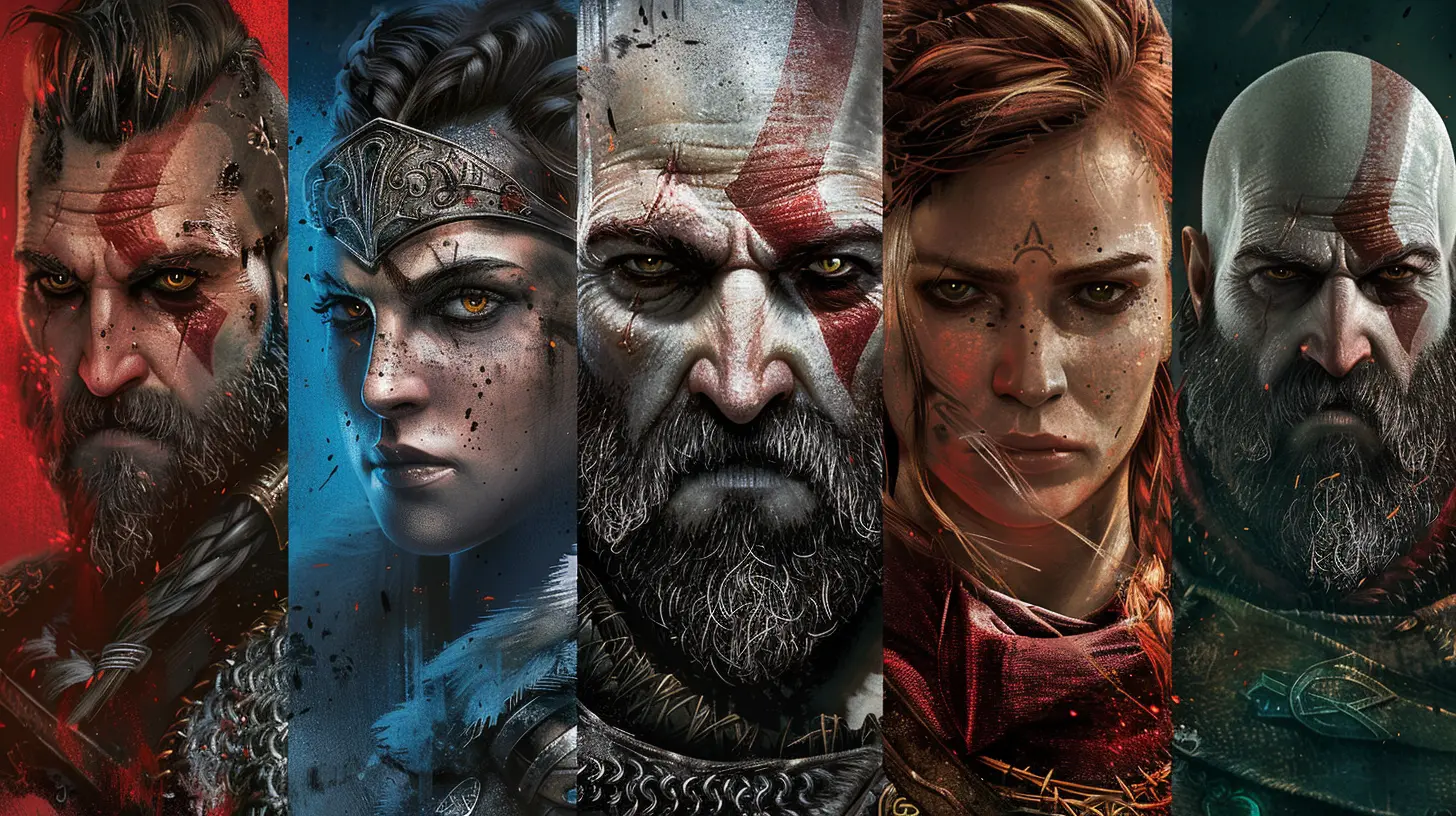
3. Kratos (God of War 2018)
We all know the old Kratos—the rage-fueled god-slayer. But the 2018 reboot gave us something fresh: Kratos, the father. And not just any father, but a mentor to his son, Atreus.Kratos’ shift from destroyer to teacher is powerful. He struggles with vulnerability, patience, and letting Atreus make mistakes. But isn’t that what mentoring is about? Letting someone grow at their own pace while guiding them with your experience.
He doesn’t give Atreus all the answers—instead, he teaches him to think for himself. A true mentor move.
> “Don’t be sorry. Be better.”
4. Ezio Auditore da Firenze (Assassin's Creed Series)
Okay, Ezio didn’t start out as a mentor. He was a hot-headed teen out for revenge. But fast forward a few games, and we've got a fully realized master assassin, passing on his knowledge to the Brotherhood.Ezio’s transformation from pupil to teacher is one of the most compelling arcs in gaming. By Assassin’s Creed: Revelations, he’s writing letters to Desmond (another potential mentee), reflecting on life, purpose, and wisdom earned the hard way.
And through it all, he’s teaching us about patience, legacy, and the importance of learning from history.
5. Princess Zelda (The Legend of Zelda Series)
Zelda isn’t just the royal damsel awaiting a rescue. In several games—like Breath of the Wild and Skyward Sword—she’s a mentor in her own right.She encourages Link, supports him through magical means, and often holds more wisdom than she lets on.
Zelda’s mentorship style? Gentle but powerful. She doesn’t lecture; she empowers. And in many ways, she symbolizes the strength of quiet leadership—the kind that lifts others toward greatness without seeking the spotlight.
6. Uncle (Red Dead Redemption Series)
If you played Red Dead, you know Uncle. Yeah, the lazy drunk who never really helps with chores. But under all that...there’s something else.In a twisted way, Uncle teaches John Marston (and us) more than he lets on. He’s a mirror of what could happen if you refuse to grow. And that kind of indirect mentorship is just as powerful. Sometimes the best lessons come from bad examples.
Also, let’s just say—Uncle’s final stand? That was mentorship in its rawest form: sacrifice.
7. The Boss (Metal Gear Solid 3: Snake Eater)
Now this is mentorship at its most complex. The Boss doesn’t just train Naked Snake—she breaks him emotionally and morally. She challenges everything he believes and forces him to ask big questions.Is she a hero? A traitor? Both?
Her mentorship blurs the line between teacher and tormentor. But that’s what makes her unforgettable. She teaches more through actions than lectures. And in the end, her lessons shape a legend.
> “Loyalty to the end… even when it costs everything.”
8. Roxas and Axel (Kingdom Hearts Series)
This one’s for the emotional gamers out there. Axel is more than just a spikey-haired fighter with fire powers—he’s a mentor, friend, and sometimes protector to Roxas. Their bond is built on loyalty, trust, and the heartbreak of betrayal.Kingdom Hearts is all about complex relationships, and Axel teaches Roxas how to navigate a confusing world where memories can be manipulated and identities are fragile.
Their story reminds us that mentorship isn’t always about age or rank. Sometimes, it’s about being a light when someone’s lost.
9. Orlog the Wise (Elder Scrolls Series)
In the sprawling lands of Tamriel, wisdom is usually buried in books or whispered by ancient elves. But Orlog, the mysterious monk, has always stood out.Though lesser known, Orlog has guided many adventurers in Elder Scrolls through riddles, philosophies, and unassuming wisdom that hits you long after you’ve spoken to him.
He’s the Gandalf of the RPG world: cryptic, slightly annoying, but somehow always right.
10. Professor Oak (Pokémon Series)
Could we really make this list without Professor Oak?Even if you’ve long outgrown your Pokédex, you probably still remember Oak’s iconic lab and his fatherly tone. He’s the first to hand you a Pokémon, the first to believe in you, and the last to judge your choices.
Oak embodies trust in the young. He teaches by letting you experience the world, rather than sheltering you from it. He’s low-key one of the best mentors gaming has ever had, and we’ve all got a nostalgia-shaped soft spot for him.
What Makes a Great In-Game Mentor?
So, after meeting all these legends (and we haven’t even covered them all), what actually defines a great mentor in gaming?Here’s the secret sauce:
- Guidance, not control – They point you in a direction but let you find your own path.
- Wisdom through experience – Most of them have been there. Their lessons come from scars.
- Sacrifice – Many give something (sometimes everything) for the player’s growth.
- Emotional impact – The best mentors stick with us emotionally, long after the game ends.
Mentorship in Games Reflects Real Life
Here’s something to chew on: gaming mentors reflect our real-world desires for guidance and belonging. We all want someone to believe in us, to show us the ropes, and to walk beside us—at least until we’re ready to go it alone.Whether it’s Kratos teaching Atreus how to swing an axe, or Zelda silently supporting Link from afar, these characters remind us that even digital worlds are full of heart and human connection.
Final Thoughts: Be the Mentor
What’s cool about recognizing gaming mentors is realizing that you can be one too. Whether you're helping a noob through an MMO raid, guiding a friend in a new game, or just being present in someone’s life… you’ve got the power to be someone’s in-game (or IRL) guide.And maybe, just maybe, the best mentors are the ones who were once students themselves.
So, next time you're playing and you come across a wise warrior or an old professor, take a moment. Say thanks. Because chances are—they helped shape the hero inside you.
all images in this post were generated using AI tools
Category:
Video Game CharactersAuthor:

Brianna Reyes
Discussion
rate this article
2 comments
Wade McDermott
I'm intrigued by the impact of mentors in gaming! How do their teachings shape players' experiences and strategies? Are there standout moments where a mentor's guidance transformed a character's journey or a player's skills? Curious to know more!
December 11, 2025 at 3:51 AM
Brianna Reyes
Mentors in gaming profoundly influence players' experiences by offering strategies, insights, and emotional support. Standout moments, like Master Yoda guiding Luke Skywalker in *Star Wars Jedi: Fallen Order* or Coach Ernie in *NBA 2K*, often lead to pivotal skill development and character growth, showcasing the transformative power of mentorship in gameplay.
Jessamine McCloud
“Gaming’s mentors are like that one wise friend who always knows the cheat codes for life. Whether it’s teaching you to swing a sword or navigate your feelings, these pixelated sages remind us that sometimes the greatest lessons come from behind a controller. Level up your wisdom!”
December 9, 2025 at 4:11 PM
Brianna Reyes
Absolutely! Gaming mentors provide invaluable life lessons, blending fun and wisdom in a unique way. They truly help us level up both in-game and in real life!