Exploring the Role of RNG in Battle Royale: Is It Luck or Skill?
14 December 2025
Ever dropped into a battle royale match only to get wiped in the first 30 seconds, while your buddy ends up winning the lobby? Here's where that age-old debate kicks in: was it just bad luck, or are you just not "skilled enough"?
In the world of battle royale games—think Fortnite, Apex Legends, Warzone, PUBG—randomness is built into the very core. Weapons, armor, loot drops, even the storm circles—all these game elements spawn randomly, and it’s what we gamers refer to as RNG: Random Number Generation.
But how much does RNG really affect your performance? Can top-tier players consistently overcome bad luck? Or are we all just rolling dice with every drop?
Let’s crack the mystery wide open.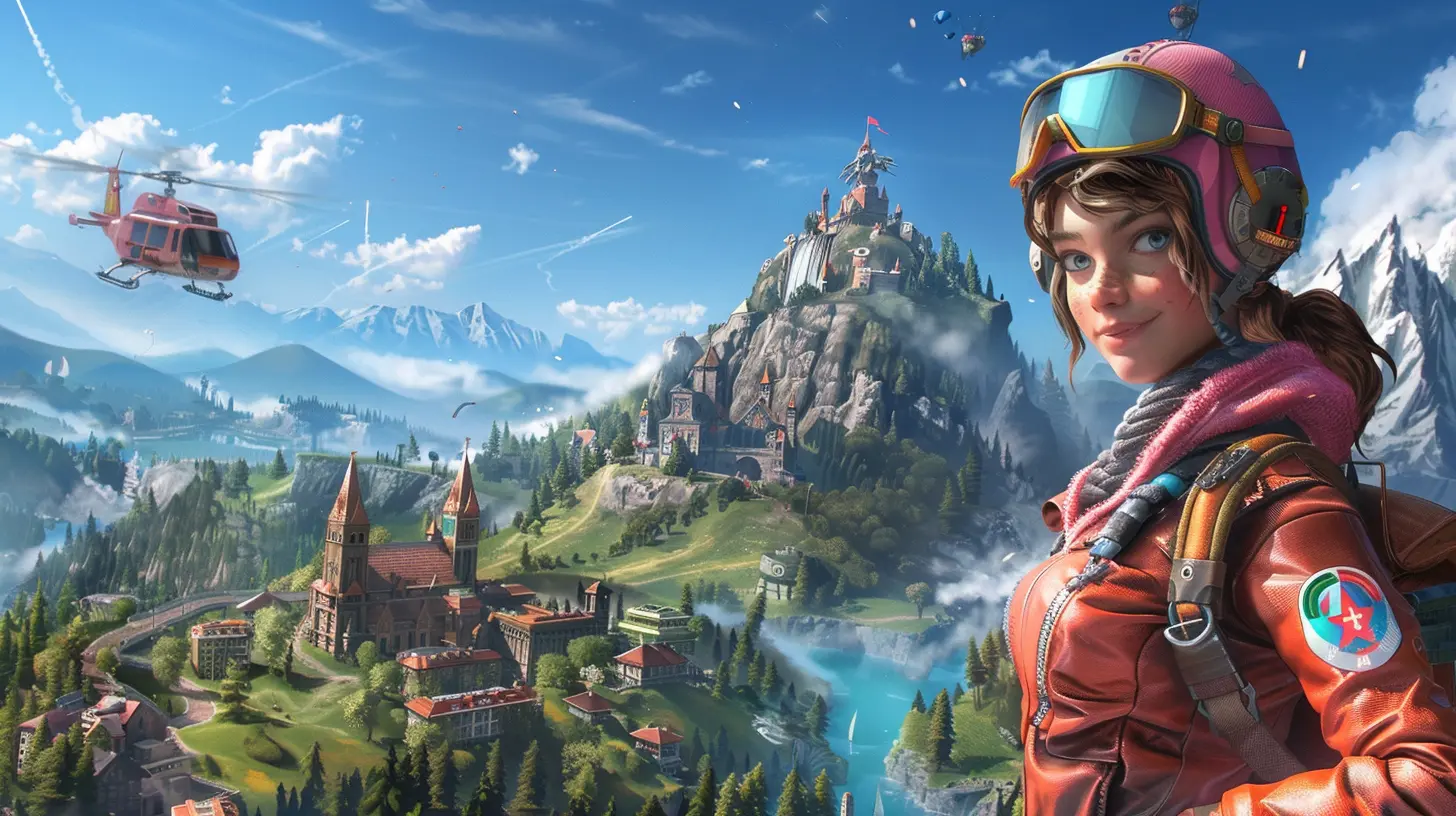
What Is RNG Anyway?
Before we dive into the deep end, let’s break down RNG.RNG stands for Random Number Generator. It’s a computational method used in games to create unpredictable outcomes. Think of it like a digital dice roll happening behind the scenes every time you open a loot crate or land in a new area.
In battle royale games, RNG decides:
- What loot spawns (a pistol or a golden assault rifle?)
- Where safe zones shrink
- Supply drop locations
- Sometimes even how much damage a weapon deals
Basically, RNG is the digital version of fate—except instead of zodiac signs, you're praying to the loot gods.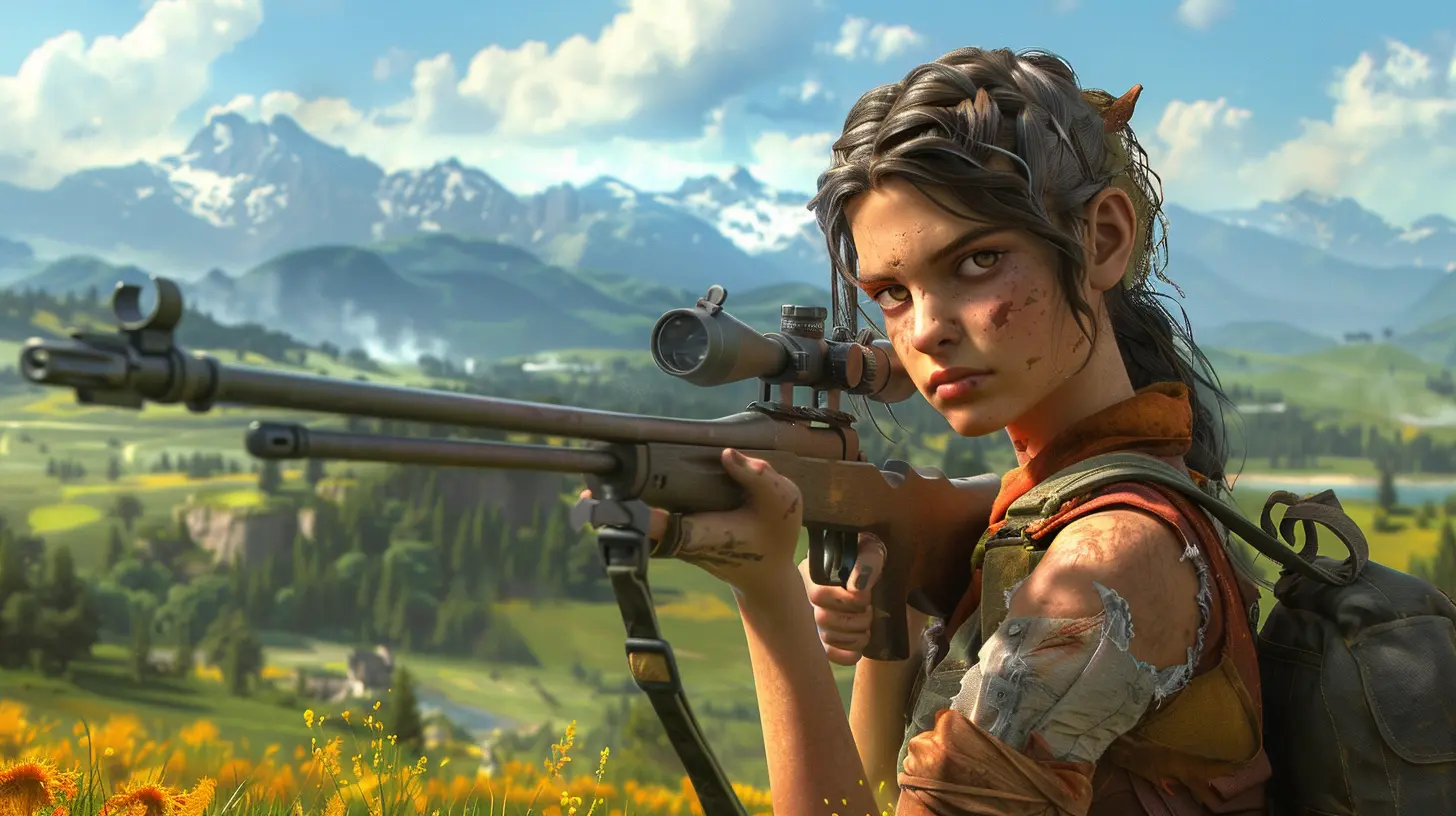
First Drop: Luck or Strategy?
You load into the map. The drop ship cuts across the sky. You pick a location. Now the question is: are you about to land in treasure or trash?This moment is where RNG and strategy start to dance.
Sure, loot is random. But seasoned players know which zones offer better loot tables. They understand high-risk, high-reward zones vs. quiet corners. They also find tactical advantages in how drops align with the flight path. So while the loot isn't guaranteed, knowledge helps tilt the odds.
In other words—you can’t control the cards, but you can learn how to play your hand.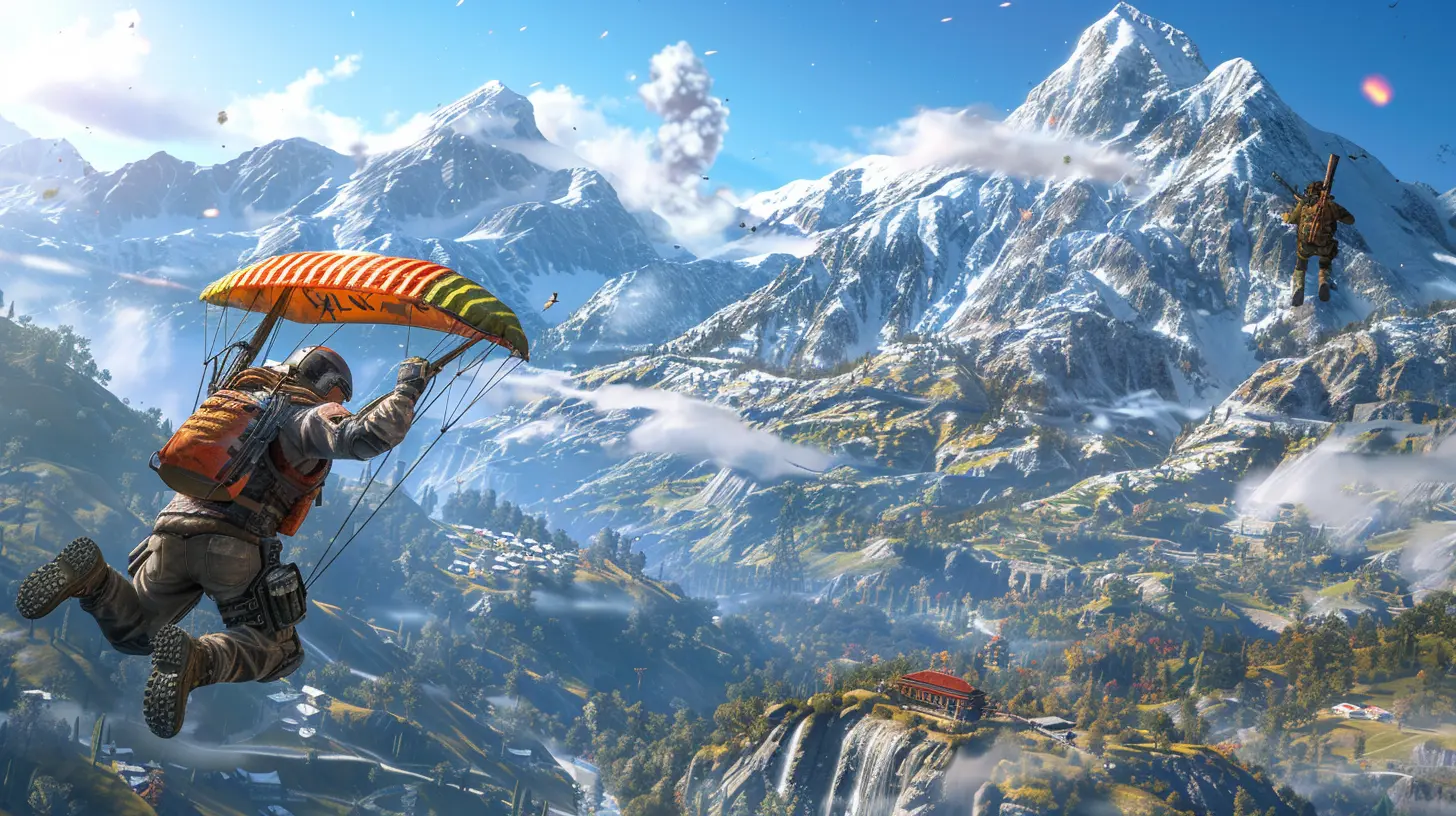
Loot Quality: A Roll of the Virtual Dice
Ever landed next to an enemy, smashed open a crate, and found… a Mozambique?Yeah. We’ve all been there.
Loot quality is one of the biggest RNG factors. Some players find fully-kitted weapons and armor three minutes in. Others spend 10 minutes looting and barely gather decent gear. It feels unfair, right?
But here's the plot twist: the best players adapt.
High-skill pros don’t need gold gear to perform. They use positioning, aim, movement, and game sense to overcome weaker loadouts. RNG might swing the early-game, but mid and late-game wins? That’s where skill begins to outweigh luck.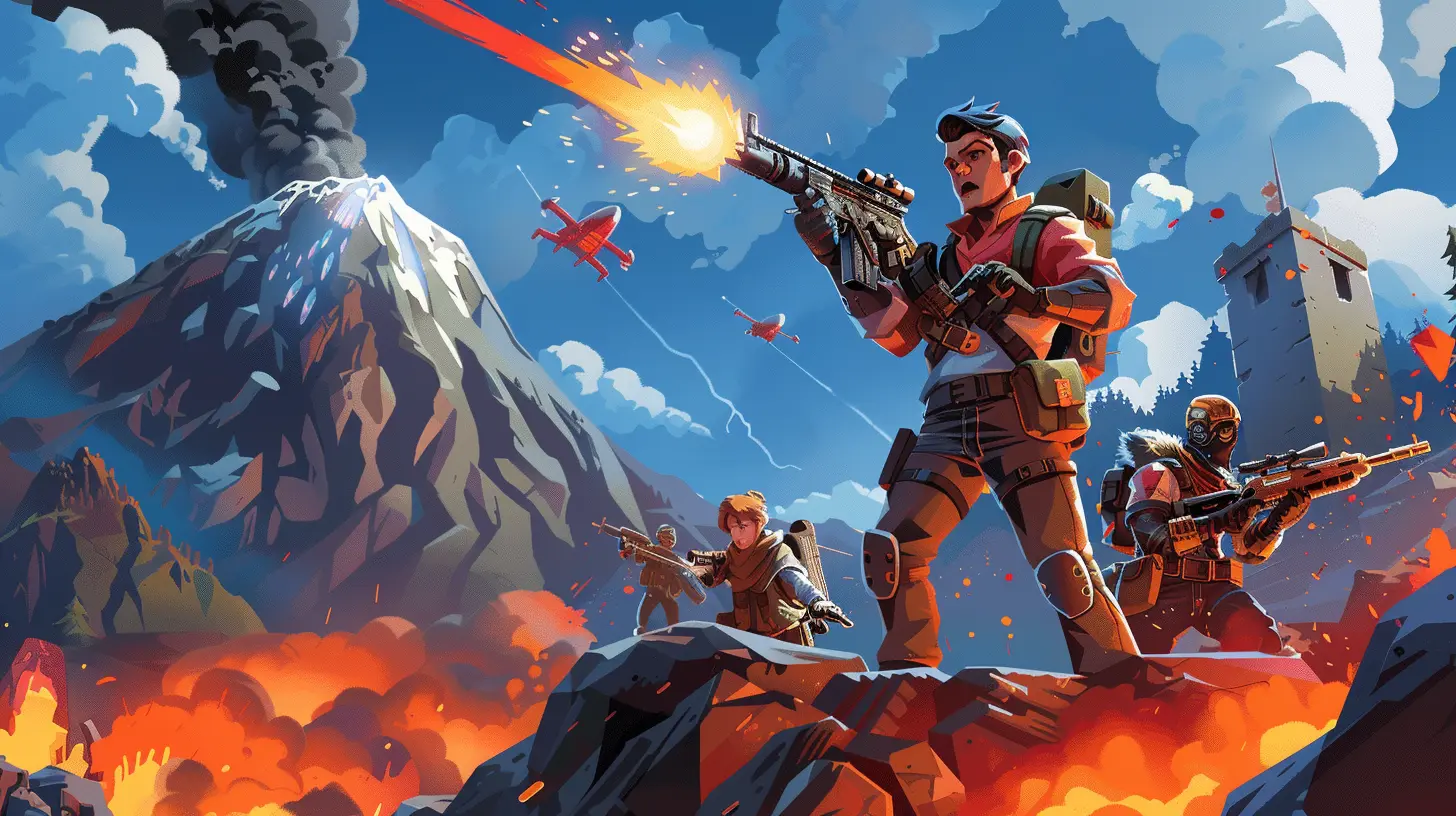
The Circle: Fortune’s Favorite Weapon
Let’s talk about the circle—or the storm, gas, ring, whatever your game calls it.The safe zone shrinking mechanic is iconic in battle royales. It’s the core pressure builder, pushing players together over time. But where it lands? Entirely RNG.
Sometimes it favors you. Sometimes you’re miles away with no vehicle in sight. RNG is the mastermind behind the circle’s location—and it can make or break your match.
But here's the catch: predicting the next zone, rotating early, and positioning well are skills. Sudden zone shifts will always surprise and punish unprepared players.
So while the circle’s random, how you deal with it is what separates the survivors from the spectators.
Gunfights: RNG Is There Too (Yes, Seriously)
Think you’re safe from RNG just because you’re mid-fight? Think again.Some games include random bullet spread, bloom, or damage variation. Ever shot someone with a shotgun point-blank and somehow only did 37 damage? That's RNG laughing in your face.
Yet, good players understand weapon mechanics and adapt their playstyles. They maximize accuracy, limit bloom by controlling fire rates, and close distance in creative ways to mitigate damage spread variance.
Yes, clutching a fight sometimes comes down to luck, but more often? It’s preparation meeting opportunity.
Third-Party Mayhem: The Ultimate RNG Moment
You’re in an intense 1v1. You’re winning. Then BAM! A third team swoops in out of nowhere, lasers you both, and wins the fight without breaking a sweat.Was that just bad luck?
A little, yeah.
But great players learn to fight faster, position smarter, and anticipate other squads. Some even bait third-parties on purpose just to ambush them (talk about five-head plays).
Third-partying is chaotic, sure—but experienced players use chaos as a weapon.
Ranked vs. Casual: RNG's Impact Varies
Here’s something interesting: RNG can feel very different depending on the mode.In casuals, matches feel way more chaotic. Random lobby skill levels, unpredictable player behavior, and pure loot fiestas. It’s where RNG thrives.
But in ranked modes? Skill typically matters more. Better players consistently rise through the ranks, even with bad loot spawns. These modes also have more structured player behavior, allowing skill to shine more clearly.
You can’t remove RNG—but in ranked, its impact is dampened. Think of it like surfing: in casuals, you’re on wild waves. In ranked, the sea's still rough, but skilled surfers show you how to ride.
Pro Players and RNG: How Do They Deal?
You might wonder—how do esports-level players feel about RNG in BRs?Believe it or not, many pros embrace it. Not because they love getting bad loot, but because it adds layers of adaptability to their gameplay.
Top-level players prep for every scenario. They strategize drops, memorize loot patterns, rotate early, manage resources meticulously, and consistently win even with low-tier weapons. RNG doesn’t disappear—it just gets outplayed.
Still, when money's on the line, RNG can be the villain. Entire tournaments have been lost due to random drop luck or unlucky zone shifts. Even the best can’t always out-skill a digital coin flip.
Is Skill the Real MVP?
Here’s the big question haunting every BR lobby: Is winning pure luck, or does skill actually reign?Let’s break it down:
- Early-game: RNG can heavily influence outcomes, especially when unarmed players face off seconds after dropping.
- Mid-game: Skill begins to even the odds. Positioning, game knowledge, and decision-making start dictating survival.
- Late-game: Almost always skill-based. Only a few players remain. Everyone’s geared. Wins come from clutch plays, sharp aim, and split-second tactics.
So while RNG affects every match, it’s not the puppet master. It’s more like a hidden hand gently tipping the scales—sometimes in your favor, sometimes not. But if you’re good enough, you’ll claw your way back either way.
Can Developers Fix RNG?
This one’s tricky.If devs remove RNG, they risk making matches predictable. And predictability is death in battle royale. The randomness is part of what makes BRs so spicy.
That said, devs have learned to balance RNG:
- Adding "smart" loot systems that slightly favor under-geared players
- Designing zones with balanced loot distribution
- Providing more mobility tools and consumables to offset bad drops
Ultimately, the goal isn't to erase RNG—but to smooth out its roughest edges. Think less chaos, more dynamic gameplay.
Mastering RNG: Tips to Outplay the Odds
Wanna beat the system? Here are a few quick ways to conquer RNG:1. Drop smart, not hot – Know your map. Land in zones with reliable loadouts, not just where everyone else is.
2. Loot efficiently – Don’t open every single box. Prioritize gear quickly and move out to avoid early ambushes.
3. Early rotate – Beat the circle before it beats you. Staying ahead of the zone gives you control.
4. Play the edge or center wisely – Where you position relative to the safe zone is a huge skill lever.
5. Adapt loadouts – Don’t get married to one gun or combo. Sometimes you’ve just gotta make it work.
So... Is It Luck or Skill?
Here’s the honest truth: it’s both.RNG sets the stage. But you’re the actor.
You might get handed a wooden sword while your opponent spawns with a laser cannon. But a skilled player finds a way to survive that first act, outmaneuver the odds, and write their own ending.
Luck might get you a win. But skill? That’ll keep you winning again and again.
So next time you get knocked out early, don’t rage-quit. Ask yourself—did the loot fail you, or did you fail the loot?
Chew on that.
all images in this post were generated using AI tools
Category:
Battle RoyaleAuthor:

Brianna Reyes
Discussion
rate this article
2 comments
Jemima Middleton
Destiny intertwines with skill in chaos.
December 20, 2025 at 4:05 AM
Brianna Reyes
Indeed, RNG adds an unpredictable layer to skill, making each match uniquely challenging.
Kova Cox
RNG or skill? If you’re relying on luck, you’re definitely not winning!
December 19, 2025 at 4:56 PM
Brianna Reyes
While skill plays a critical role in battle royale games, RNG can significantly influence outcomes, making both factors essential for victory.