Why Some Franchises Choose to Remaster Instead of Reboot
27 March 2026
Ever found yourself wondering why your favorite classic game got a shiny remaster instead of a full-blown reboot? You’re not alone. As gamers, we all have that one title that takes us back—nostalgia hits hard, right? And when publishers decide to bring it back, the route they take can stir up some serious opinions.
So, why do some franchises choose to remaster instead of reboot? Is it just about slapping on better graphics and calling it a day, or is there more behind the curtain?
Let’s dive deep into the logic, strategy, and emotion behind a gaming decision that’s as much about business as it is about legacy. Grab your favorite controller—we’re about to level up your understanding.
What’s the Difference Between a Remaster and a Reboot?
Before we get into the “why,” let’s quickly clear up the “what.”- Remaster: Think of it like polishing your favorite old sneakers. Same shoes, but they look fresher. In gaming terms, a remaster usually updates the visuals, maybe tweaks the sound, and ensures it runs on modern hardware. But the core game—story, gameplay, mechanics? Pretty much the same.
- Reboot: This is a whole new shoe altogether. It may share the same brand, but it’s redesigned from the ground up. Reboots reimagine characters, plots, gameplay—sometimes even genres. It’s like hitting the reset button.
Now that we’ve got that out of the way, let’s talk about why developers sometimes choose the gentler route of a remaster instead of going full reset-mode.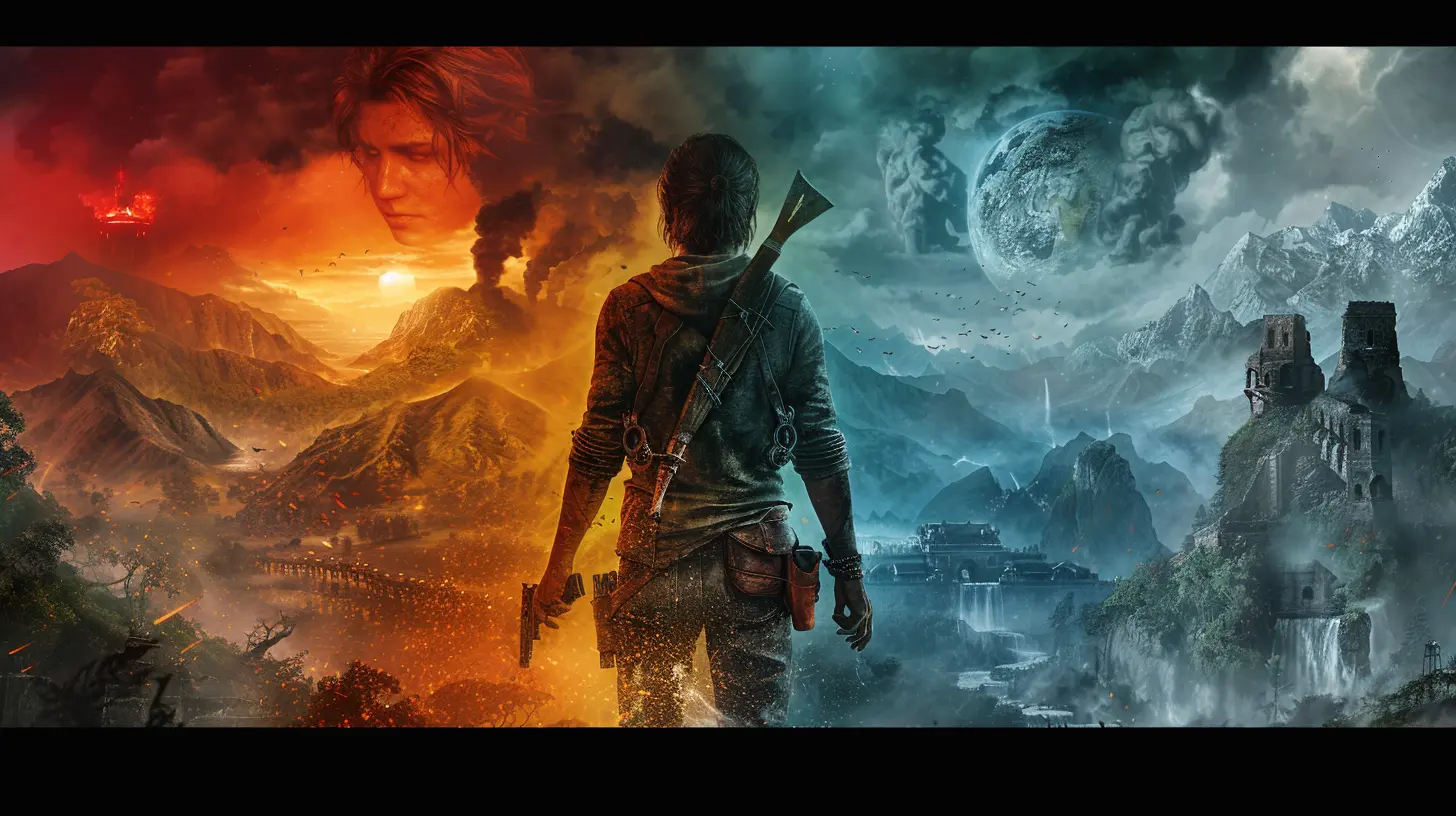
Nostalgia: The Heartstring That Sells
Let’s face it—nostalgia is a powerful thing. It’s the reason retro-themed cafés exist and why the phrase “they don’t make 'em like they used to” is still relevant.When a studio decides to remaster a game, they’re tapping straight into that warm, fuzzy feeling we all get when we hear a familiar soundtrack or see a beloved character in HD.
Take, for example, the remastered versions of classics like Crash Bandicoot N. Sane Trilogy or Final Fantasy X HD Remaster. These weren't just cash grabs—they were love letters to fans who grew up with these games.
By keeping the original essence intact but giving it a glow-up, developers honor the legacy while reaching out to new players. It’s like bringing your childhood friend to your adult life party—everyone’s invited.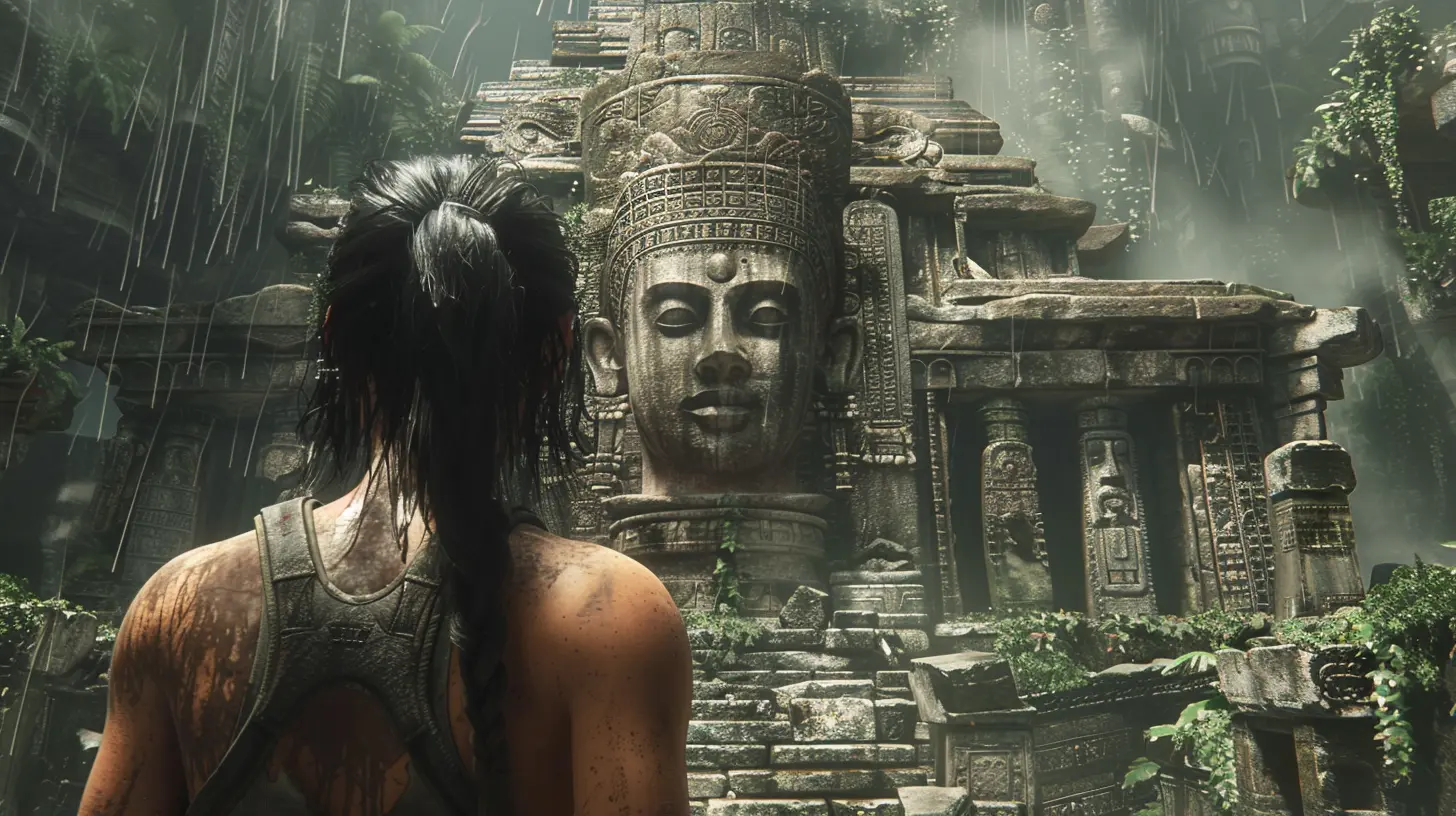
Lower Risk, Higher Reward
From a business angle, remasters are often safer bets. Why?Because the game already succeeded once.
Developers and publishers know the concept works. The gameplay loop has been tested. The community has already shown love. So instead of reinventing the wheel (which costs big bucks and could totally flop), they just polish the rim and put it on a newer car.
Reboots, on the other hand, are full of unknowns. What if fans hate the changes? What if the new direction misses the mark? It’s not easy to reimagine a beloved franchise without stepping on some toes.
So, if you're a studio executive looking at the numbers, a remaster often looks like a sweet, low-risk way to keep the bank account—and the fan base—happy.
Preserving Gaming History
Video games aren’t just entertainment—they're cultural artifacts.Think of remasters as digital preservation. As hardware evolves, older games risk being lost in the shuffle, unplayable on modern systems. A remaster keeps them alive and accessible.
Games like Shadow of the Colossus or The Legend of Zelda: Wind Waker HD may look sharper on newer platforms, but they're also doing a service—ensuring that new generations can experience what made these titles legendary in the first place.
It's like cleaning up a dusty painting in a museum. The art is still the same, but now more people can appreciate it.
Respecting the Original Vision
Here’s the thing: not every franchise needs a fresh start.Some games were so well-designed the first time that changing too much would feel like painting over the Mona Lisa with finger paint. That’s why developers sometimes choose to remaster instead of reboot—they want to respect the original vision.
Games like Bioshock: The Collection or Mass Effect Legendary Edition serve this purpose. The worlds are rich, the stories are strong, and the gameplay might only need a few tweaks. Why mess with greatness?
When a remaster is done right, it enhances what’s already there without diluting the magic. It's like adding a filter to a stunning photo—not changing the scene, just making it pop.
Fan Expectations and Community Feedback
Let’s be real—gamers are vocal. We know what we want, and we’re not shy about saying it on forums, Reddit, Twitter (ahem—X?), and everywhere in-between.When fans clamor for a return of a favorite franchise, they often mean they want the original. Not a new take. Not a different storyline. Just the game they fell in love with, looking good on their PlayStation 5 or RTX-powered PC.
Developers hear this loud and clear.
Take the Tony Hawk’s Pro Skater 1 + 2 remaster. Fans didn’t want a new take on skateboarding—they just wanted classic gameplay with modern visuals. Boom. That’s what they got. And guess what? It sold like hotcakes.
Sometimes, giving the fans exactly what they’re asking for is the smartest move.
Stretching the Life of a Franchise
Remasters are also a brilliant way to keep a franchise alive between major releases. It’s like a snack before a big meal.Say a studio is working on a sequel or even a reboot, but it's years away. Instead of radio silence (which fans hate), they drop a remaster to keep the buzz going.
This keeps the brand in people’s minds and even pulls in new players who missed the original. It’s a win-win.
For example, Halo: The Master Chief Collection didn’t just serve as a nostalgic trip for fans—it also prepped the ground for Halo Infinite. Smart move, right?
Technical Simplicity (Well, Sometimes)
From a development standpoint, remasters can be less intense than reboots. They often utilize the same assets, engines, or even codebases. This means quicker turnaround, smaller dev teams, and lower budgets.Of course, not all remasters are simple—the level of work varies. Some titles, like Resident Evil 2 Remake, blur the lines between remaster and reboot with overhauled systems and visuals. But generally, remasters require fewer resources than reboots.
It’s like renovating your kitchen instead of rebuilding the entire house.
When NOT to Remaster: Because Sometimes, You Gotta Start Fresh
Okay, let’s flip the coin for a sec.Not every game is suited for a remaster. If the original didn’t age well, or if the mechanics feel outdated beyond repair, a reboot might be the better call.
Games like Tomb Raider or God of War didn’t just need a facelift—they needed a new identity to stay relevant. And in those cases, the reboot worked wonders.
But these are exceptions, not the rule. Most classic games already have a fanbase that just wants to revisit the magic without navigating outdated tech or clunky controls.
Emotional Value Isn’t Always in the Graphics
Here’s a little secret: gamers don’t always care about having the most cutting-edge graphics. Sometimes, it’s the heart of the story, the timing of a jump, or the vibe of a world that sticks with us.Remasters give you a chance to relive those emotional beats with clearer resolution but the same soul. There’s something beautiful about that, isn't there?
It’s kind of like listening to your favorite old song on a new pair of headphones—you hear it clearer, but the emotion is just as raw.
Final Thoughts
So, why do some franchises choose to remaster instead of reboot?Because it's often the perfect balance of honoring the past, pleasing loyal fans, and smart business strategy. It’s about polishing greatness without undoing what made it special in the first place.
Remasters let us travel back in time without leaving the present—bridging generations of players with shared experiences and timeless gameplay.
And hey, if all it takes is a visual upgrade to bring a classic back to life, isn’t that worth it?
all images in this post were generated using AI tools
Category:
Remastered GamesAuthor:

Brianna Reyes
Discussion
rate this article
2 comments
Kristy Warren
Remasters: safe nostalgia cash-in.
April 3, 2026 at 5:09 AM
Brianna Reyes
While remasters can be seen as a cash grab, they often serve to introduce classic games to new audiences and refresh beloved titles for fans, balancing nostalgia with modern improvements.
Jennifer Benson
This article effectively highlights the strategic advantages of remastering over rebooting. By preserving beloved elements while enhancing graphics and gameplay, franchises can attract both nostalgic fans and new players, ensuring broader appeal and sustained revenue in a competitive market.
March 31, 2026 at 3:13 PM
Brianna Reyes
Thanks for your insight! I appreciate you pointing out how remastering can balance nostalgia with modern upgrades. It's a smart approach to engage both old and new fans.