Why Some Classics Are Better Left Unremastered
26 June 2026
If you're a die-hard gamer or someone who grew up with a controller in hand, you probably have a list of “untouchable” classics—games you played until the discs wore out or the save file corrupted. You know, the kind that made you fall in love with gaming in the first place.
Now, flash forward to today. Studios are remastering these classics left and right with shinier visuals, updated controls, and sometimes brand-new voice acting. Great, right? Well, not always.
Let’s pump the brakes for a second. Even though it might seem like a dream come true to have your favorite childhood game polished and packaged for modern consoles, it’s worth asking: should some of these games even be remastered in the first place?
Turns out, there's a pretty strong case for leaving some classics alone. Here's why.
The Magic of Nostalgia Can’t Be Remastered
Ever boot up an old game and feel that wave of nostalgia hit you? That warmth, that flashback to a simpler time—it’s powerful. Nostalgia isn’t just about the game itself. It’s about where you were when you played it, how you felt, and what it meant to you.When you remaster a classic, you risk tampering with that emotional connection. Graphics may improve, but the vibe? It often gets lost in translation. The original’s charm—the weird quirks, blocky textures, and janky animations—are sometimes part of the reason we loved it in the first place.
Trying to recreate that lightning in a bottle is like repainting the Mona Lisa because you think she’d look better with Instagram filters. Sure, it’s technically more modern, but is it still the same masterpiece?
Over-Polishing Can Strip Away the Soul
Let’s be honest. Sometimes remasters end up looking too clean, too polished—almost sterile. They lack the grit and imperfections that gave the original its identity.Take early PlayStation RPGs, for instance. They had awkward polygon models and low-resolution backgrounds, but they also had an unmistakable atmosphere. That grainy texture? It added to the mood. The clunky menus? Part of the charm.
When developers get too caught up modernizing, they often ignore what made the game unique in the first place. It’s like taking your favorite old band and auto-tuning their songs because they don’t meet today’s audio standards. It might sound more "professional," but where’s the emotion?
Gameplay Mechanics Don’t Always Translate
One of the biggest hurdles with remastering classics is adjusting outdated gameplay mechanics without ruining the experience. Modern gamers expect different things—smooth controls, intuitive UI, quality-of-life improvements.But here’s the thing: old games weren’t broken; they were just made in a different era. They required patience, exploration, and trial-and-error. That sense of discovery? It disappears when you streamline everything.
For example, think of games like Shadow of the Colossus. Yes, it received a beautiful remake, but even then, some fans felt the updated controls took away from the sense of grandeur and tension the original had. Now imagine doing that to other classics less suited for modernization.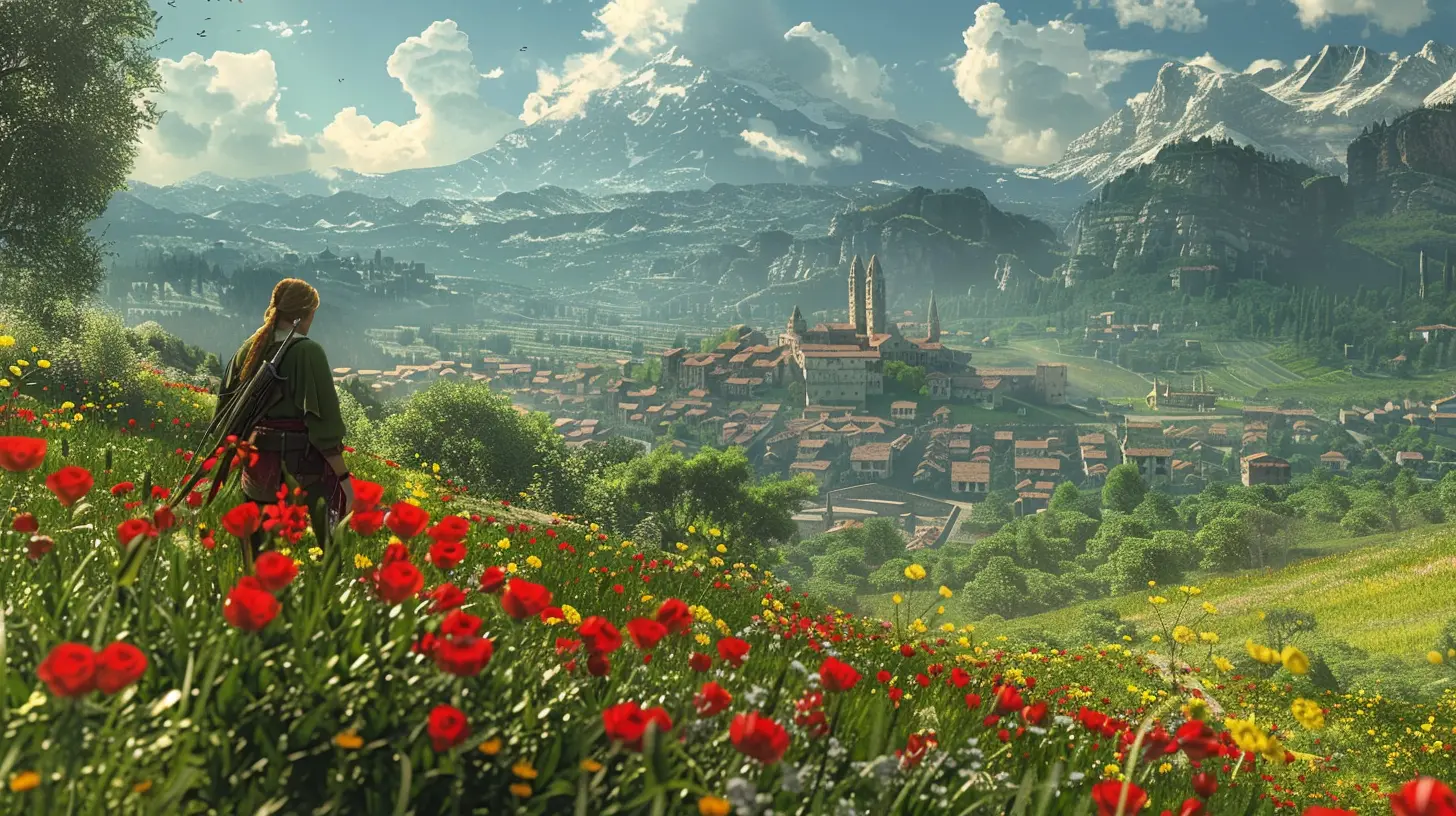
Not All Stories Need Retelling
Some games told their stories perfectly the first time around. Remastering them sometimes involves rewriting parts of the narrative, adding voiceovers, or changing character models. This can drastically shift the tone.Voice acting in particular can make or break a remaster. A poorly delivered line in a polished game stands out more than it did in an old one with minimal dialogue.
Also, think about this: when you watched your favorite movie from the '90s, would you want it re-released with updated CGI and different actors just because technology’s improved? Probably not. The same logic applies to games.
Community Mods Often Do it Better
Let’s not ignore the elephant in the room—modding communities. They’ve been unofficially remastering games for years, often with more passion and care than the studios themselves.PC gamers know this well. Whether it’s texture overhauls, widescreen patches, or full-on fan remakes, the community tends to preserve the original spirit while enhancing the experience. And they usually do it for free!
Compare that to a rushed, overpriced official remaster that removes features or adds DRM. One feels like a heartfelt tribute; the other, a shameless cash-grab.
The Money Grab is Real
Speaking of cash-grabs—let’s call them out. Not every remaster is made to honor the legacy of a classic. Many exist purely to squeeze more money out of nostalgia.Developers know that slapping "Remastered" on a box attracts attention. And in an industry driven by sequels and reboots, it’s easy to churn out a barely-updated title and call it a day.
How many times have you paid for the same game, just on a newer console with minor tweaks? When remasters become a revenue cycle instead of a passion project, the magic gets lost. It’s no longer about the game—it’s about the paycheck.
Sometimes “Bad Graphics” Were Actually Better
Here’s a spicy take: not all graphic improvements are upgrades.Old-school visuals forced your imagination to fill in the gaps. The shadows, the low-res faces, the pixelated landscapes—they made you engage in a different way. You weren’t just playing; you were interpreting, imagining, immersing yourself.
Modern remasters often overexplain visually. The mystery vanishes, and everything looks slick, but sterile. It’s like when a horror movie shows the monster in full HD—it’s usually scarier when left to your imagination.
The Soundtrack Syndrome
Music is arguably one of the most memorable aspects of classic games. A single chiptune can send you back decades in an instant.But in remasters? Soundtracks often get rearranged, re-recorded, or in some cases, replaced entirely due to licensing issues. The new music may be high quality, but it might not evoke the same emotion.
That unforgettable MIDI theme you hummed as a kid? It’s now replaced with an orchestral cover that doesn’t hit the same notes—literally and emotionally.
Let New Games Be New, and Old Games Be Old
Instead of constantly remastering the past, maybe studios should pour more energy into crafting new experiences. There’s something powerful about preserving history as it was.Games are cultural artifacts. You don’t see museums repainting classic artwork to suit modern tastes, right? So why try to make old games “fit” today’s standards?
Let them be a snapshot of their time—flawed, beautiful, and totally unforgettable. That’s what makes them classics.
It’s Okay to Replay the Past Just the Way It Was
There’s nothing wrong with revisiting older games on their original hardware or through legal digital downloads. In fact, preserving the purity of those experiences is often more satisfying than playing a “new and improved” version.Sure, they may not look 4K-ready, but the emotions they stir? Those are high-definition all on their own.
Remember: not every old game needs a new coat of paint. Sometimes, the cracks and creases are what make it a masterpiece.
When a Remaster Is Worth It (But Rare)
Of course, not all remasters are bad. Some are handled with love, respect, and attention to detail—like the Crash Bandicoot N. Sane Trilogy or the Halo: Master Chief Collection. These are rare cases where the remaster actually enhances the original without rewriting its soul.But those are the exceptions, not the rule.
Before jumping on the remaster hype train, ask yourself: do I want to experience this game again, or do I want it to feel the same way it did back then? Because most of the time, the two aren’t the same.
Final Thoughts
The past isn't broken, and it doesn't always need fixing. Some classics are deeply tied to their time and technology, and that’s precisely what makes them special.Sure, remasters make sense for preserving accessibility or introducing younger audiences to old gems—but only if done right. Otherwise, it’s like digitally colorizing a black-and-white film. What you gain in clarity, you often lose in heart.
So the next time a remaster gets announced, take a moment. Think about what made the original so iconic. Then ask yourself—do you really want to re-roll the dice on nostalgia?
Sometimes, the best thing we can do is let the classics be. Not because they’re outdated, but because they were already perfect in their own imperfect way.
all images in this post were generated using AI tools
Category:
Remastered GamesAuthor:

Brianna Reyes
Discussion
rate this article
1 comments
Keira McIlroy
Some classics are like old jeans-comfortable but full of holes. Leave them be, or you might end up with a nostalgic wardrobe malfunction... Yikes!
June 29, 2026 at 3:17 PM