Why Gaming Can Actually Boost Your Mental Health
19 May 2026
Let’s be real—gaming gets a bad rap. People love to say it fries your brain, wrecks your social life, and turns you into a couch potato. But hold up, what if I told you that gaming can actually give your mental health a serious glow-up? Yep, that's right! Behind all the chaos, boss battles, and loot drops, gaming packs some pretty sweet psychological perks.
If you're still side-eyeing that controller or wondering how something that involves shooting zombies or building pixelated farms could be good for your brain, buckle up. This article is your all-access pass to understanding why gaming isn’t just fun—it’s actually medicine for your mind.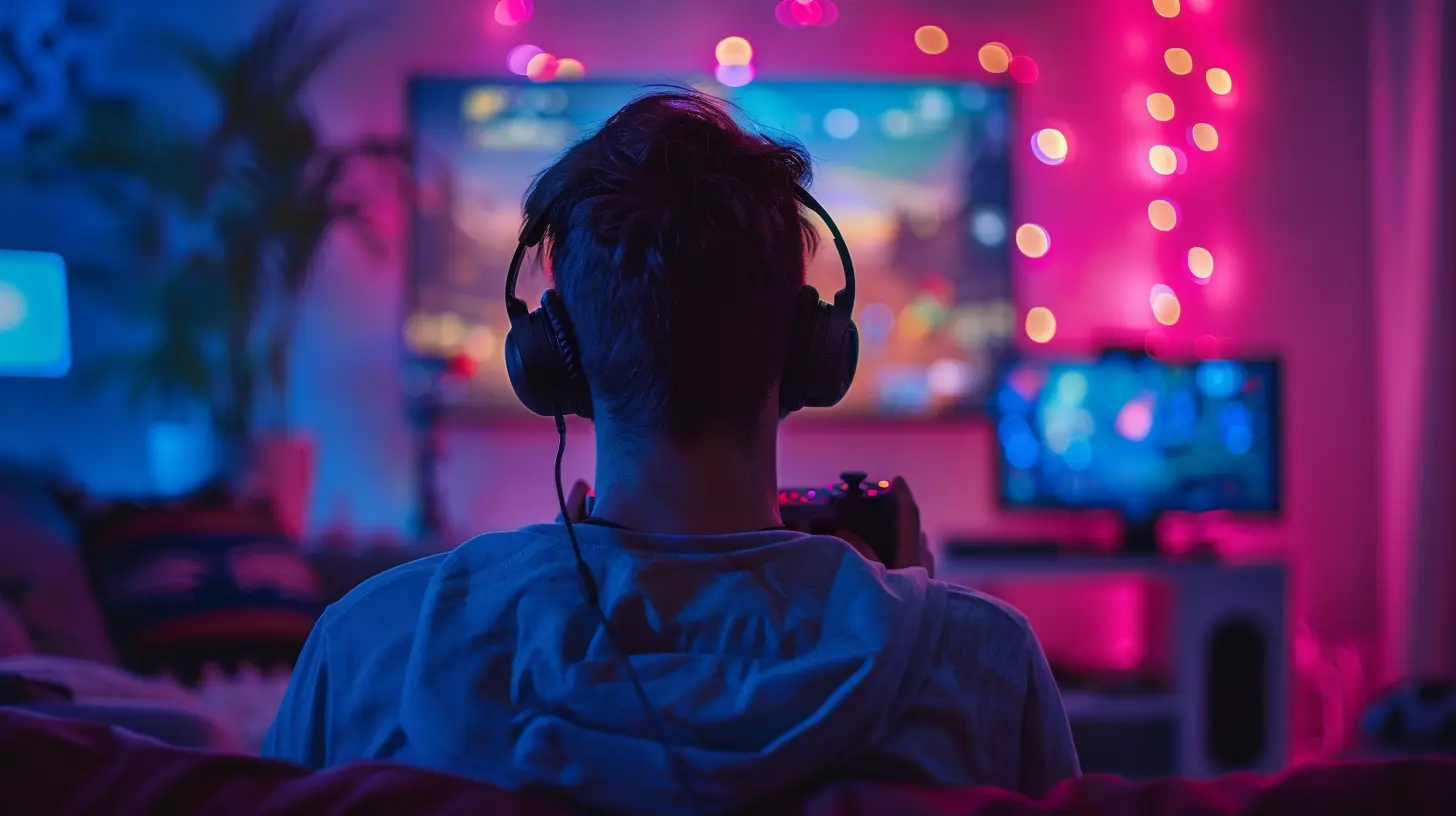
The Brain Gym You Never Knew You Had
Let’s start with the basics. You know how going to the gym helps your body stay in shape? Gaming is like CrossFit, but for your brain.1. Bye-Bye, Stress—Hello, Pixel-Powered Therapy
Ever had one of those days where everything seems to go wrong, and all you want to do is scream into the void? That’s where games magically swoop in like a digital therapist.When you're deep in a game, your brain enters a flow state. That means you're so focused and engaged that stress basically gets kicked to the curb. Video games act kind of like meditation with explosions—you get immersed, your worries shrink, and your vibe totally shifts.
? Fun Fact: Studies show that games like “Stardew Valley,” “Animal Crossing,” and “The Sims” significantly lower cortisol (the stress hormone) levels. Who needs a spa day when you’ve got a cozy digital farm?
2. Cognitive Boosts? You Betcha.
Puzzle games, strategy games, and even fast-paced shooters can sharpen your mental tools.Think of it like eating brain-boosting kale, but way tastier. Games work on your decision-making, memory, attention span, and problem-solving—sometimes all at once.
? Games Like:
- Portal 2 – Makes you feel like Einstein with a portal gun.
- Tetris – Basically a brain cardio session in block form.
- Age of Empires – Teaches you resource management, strategy, and—low-key—history.
3. A Playground for Emotional Resilience
Gaming isn’t all sunshine and cheat codes; you lose, fail, and start over... again and again. But you know what that builds? Thick skin.Gamers develop a heck-ton of emotional resilience. You’ll hear phrases like “just one more try” or “I’ll beat this boss if it kills me.” That attitude echoes outside the game, too—it can actually strengthen your real-life grit.
Failing gracefully, learning from mistakes, and pushing forward? That’s not just character development—it’s life skills.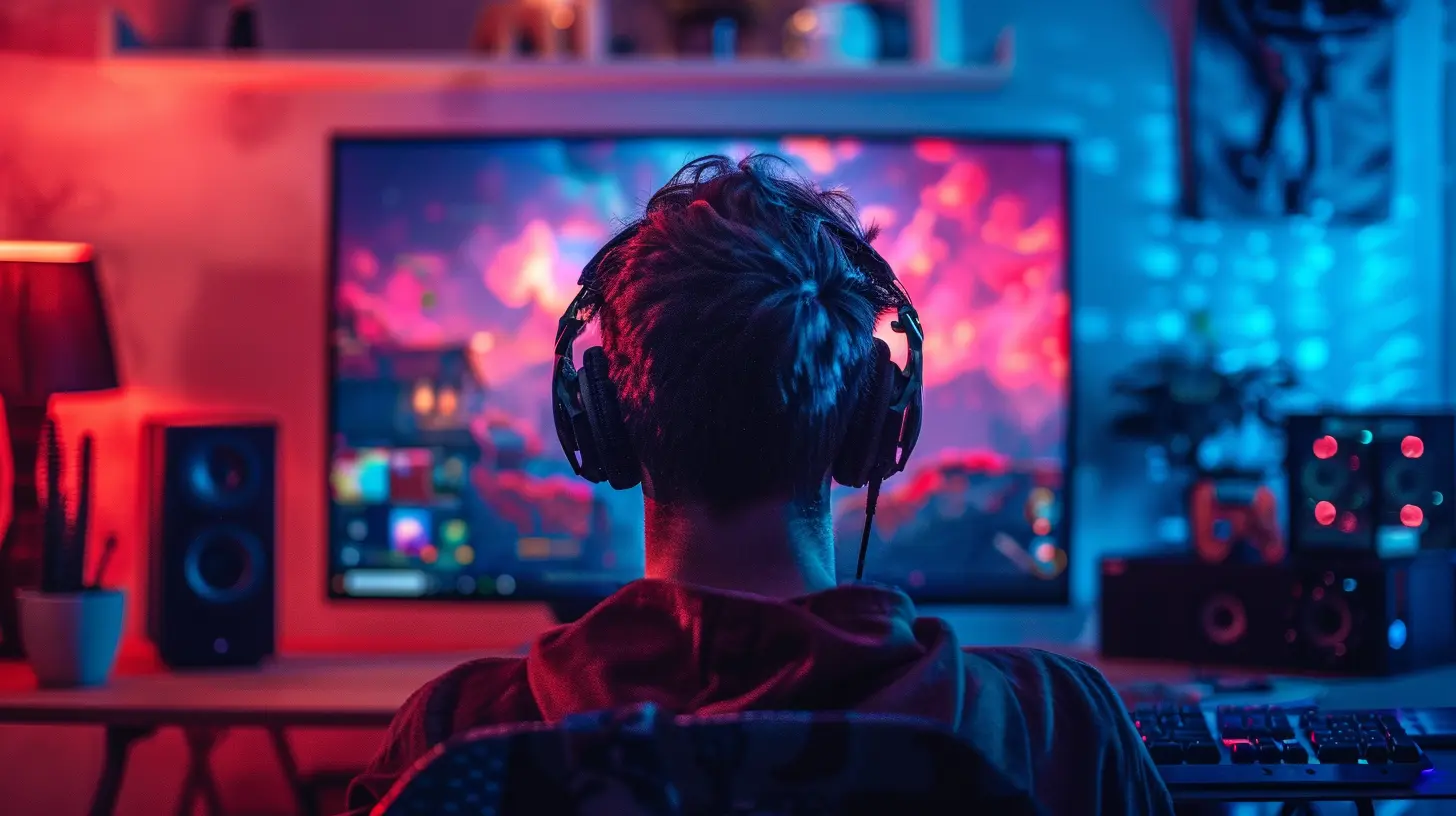
It's More Social Than You Think (No, Really)
Let’s squash the myth that gamers are all lonely introverts stuck in dark rooms. In 2024, gaming is where the party’s at.1. Building Communities, One Raid at a Time
Whether it’s MMORPGs, co-op survival games, or battle royale lobbies, gamers thrive in teams. They communicate, collaborate, and often form real friendships. Some of these connections even go offline and turn into lifelong bonds.Games like:
- Final Fantasy XIV
- Fortnite (yes, really)
- Among Us
- Minecraft (the ultimate social sandbox)
These titles aren't just games—they’re hangout spots, complete with inside jokes, drama, and digital campfires.
2. A Safe Space for Self-Expression
Games give you the power to be whoever you want. Wanna be a half-elf spellcaster with turquoise hair? Go for it. Feel like a post-apocalyptic robot dealing with existential dread? Knock yourself out.This freedom to explore identity in a safe, judgment-free environment is HUGE for mental well-being, especially for folks in marginalized communities.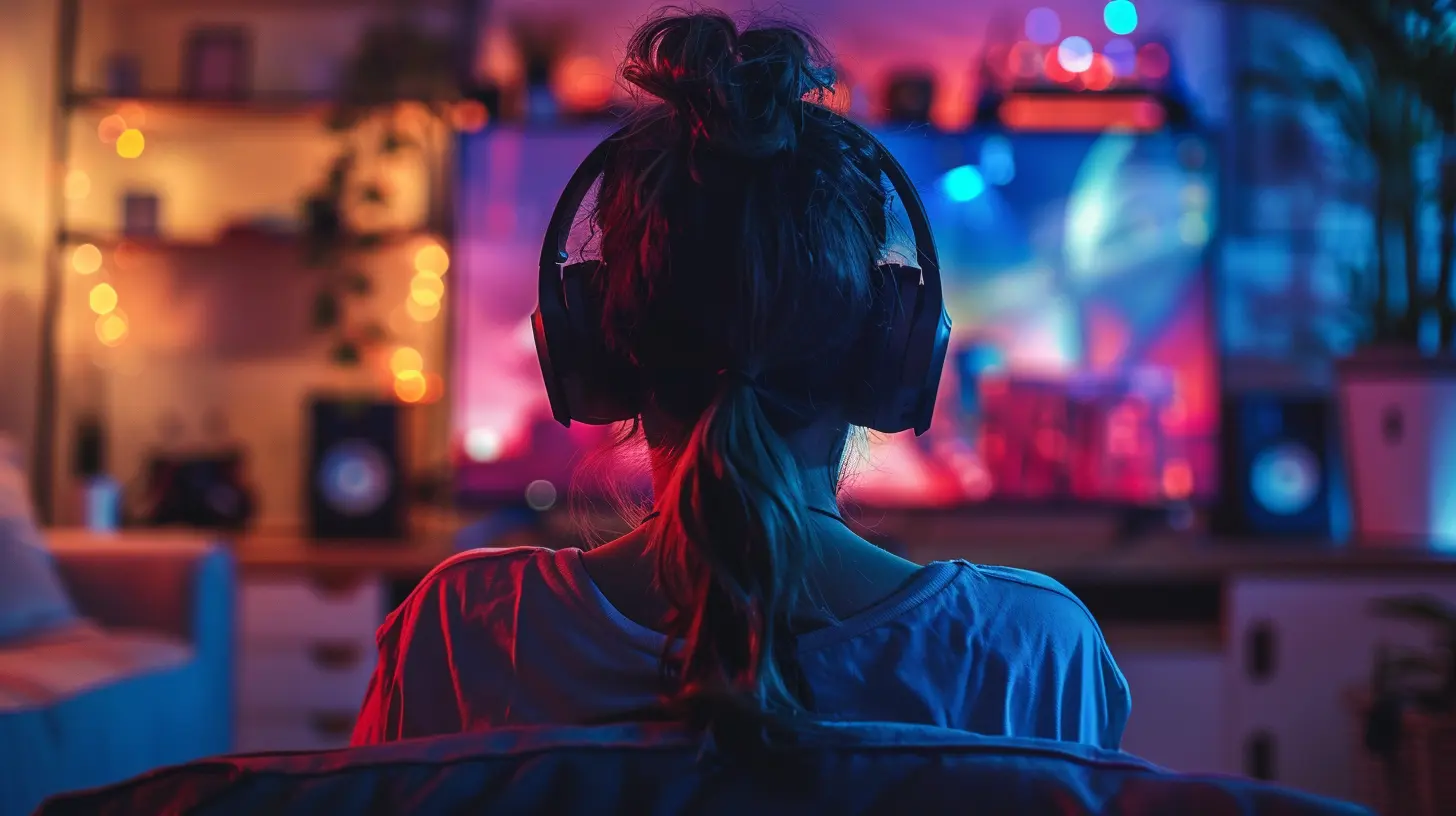
Escapism: Your Mental Health MVP
You know that feeling when life gets messy and all you want is a break from adulting? Gaming is the ultimate escape hatch.1. Temporary Relief from Real-World Drama
When you’re knee-deep in zombie hordes or solving ancient puzzles in forgotten temples, your real-life problems get put on pause. That breather can be just what your brain needs to reset.It’s not about ignoring reality—it’s about giving your mind a freaking break.
? Bonus: Some therapists actually use video games as tools in treatment to help patients cope with anxiety, depression, and trauma. That’s right—games making therapy cooler since forever.
2. Immersive Worlds = Creative Fuel
Ever played a game so beautiful or unique that it made you want to write, draw, or even make your own game? That’s the power of immersive escapism.Games like:
- Journey (a literal masterpiece)
- Celeste (emotionally charged and challenging)
- Hollow Knight (gothic vibes + crazy deep lore)
They do more than entertain—they inspire. And tapping into your creativity is a solid way to enhance mental health and emotional fulfillment.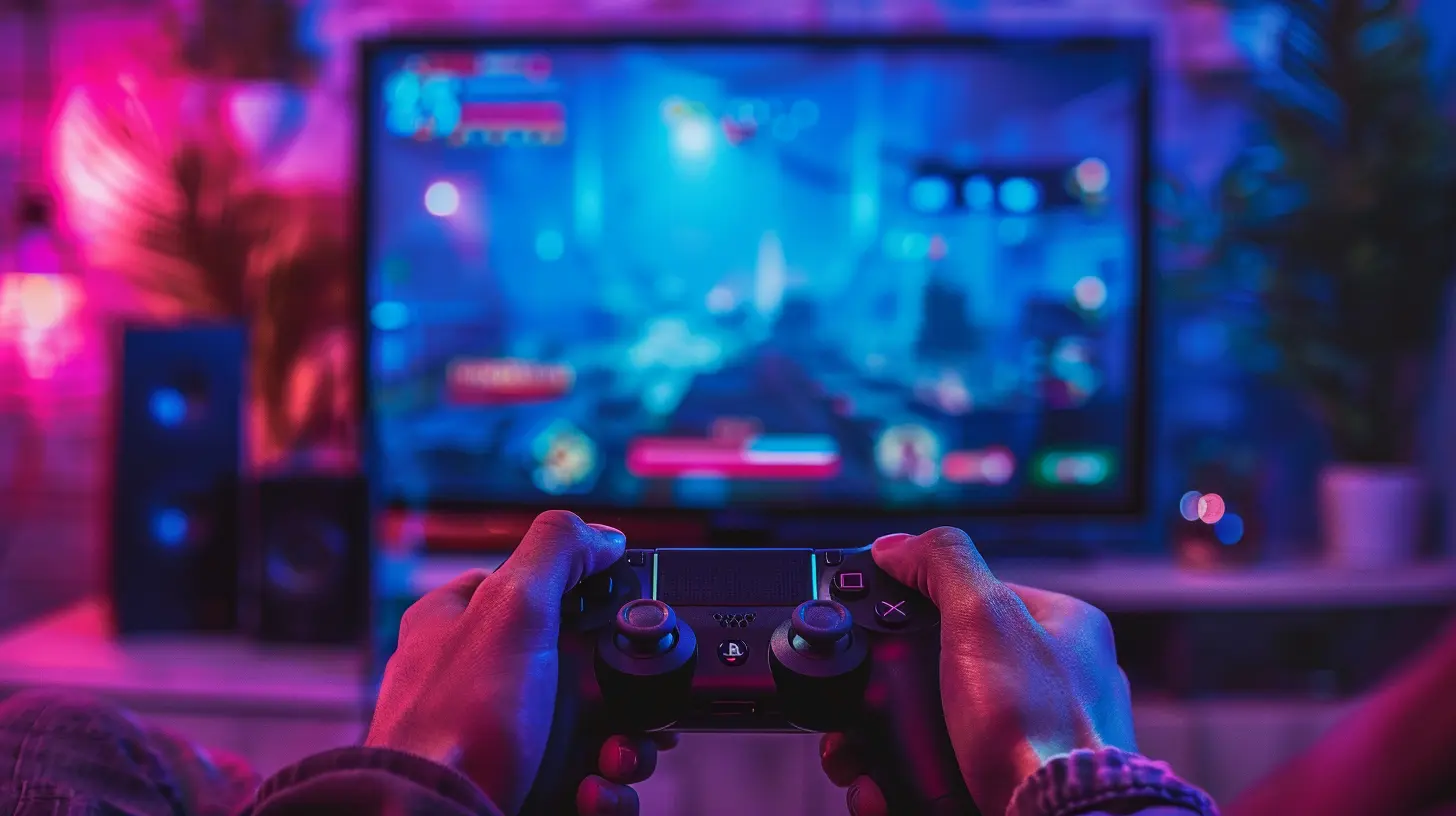
Mental Health Games Are A Whole Thing Now
Yes, there are actual games explicitly designed to help with mental wellness.1. Designed With Love (and Science)
Titles like:- Celeste – A metaphorical take on anxiety and depression wrapped in a gorgeous platformer.
- Gris – Visually stunning and emotionally poetic.
- Sea of Solitude – Explores loneliness and self-acceptance.
These aren’t just artsy indie games—they’re full-on emotional journeys that give players a way to process and understand their own inner battles.
2. Mindfulness Meets Gameplay
Some games blend chill vibes with mindfulness, like:- Flower – Float through landscapes spreading petals. Sounds weird? It’s amazing.
- Abzû – Dive into oceanic tranquility and zen out with the fishes.
- Kind Words – Write and send encouraging notes to real players.
These titles slow you down, calm you the heck down, and gently remind you that maybe everything will be okay.
What About Screen Time and Gaming Addiction?
Okay, okay. So we can’t ignore the elephant in the room. People love to throw around the phrase “gaming addiction” like it’s the latest apocalypse.But here’s the deal: Excess of literally anything can be bad—yes, even kale smoothies and gym selfies. It’s not gaming that’s the problem; it’s how you balance it.
1. Moderation Is Key
Using games as your only coping strategy? Not ideal. But using them as one of many tools in your mental health toolkit? Big win.Set boundaries. Take breaks. Don’t skip meals for boss fights (unless it’s the Elden Beast... kidding... kinda).
2. Recognize When It Becomes a Crutch
If you notice yourself hiding behind the game to avoid real-life pain, stress, or relationship issues, it might be time to check in with a therapist—or at least a brutally honest friend.Remember: Real strength is knowing when to seek help, not grinding to Level 99 without sleep.
The Final Boss: Stigma
Let’s talk about the biggest troll of all—the stigma around gaming and mental health.People still treat gamers like they're wasting their lives. But gaming is evolving faster than your Wi-Fi can keep up. It's a massive culture, a form of art, and yes—now a legit tool for boosting mental health.
So next time someone side-eyes your 5th hour of Legend of Zelda, hit them with this truth bomb: “I’m not gaming—I’m healing.”
TL;DR – Gaming = Brain Gains
Let’s wrap this up, shall we?Gaming isn’t some brain-rotting mindless activity. When done right, it can actually:
- Reduce anxiety and stress
- Improve cognitive function
- Promote social connection
- Spark creativity
- Build emotional resilience
- Offer meaningful escapism
- And provide a safe space for self-expression
So, if anyone tells you gaming’s a waste of time, just smile, put on your headset, and remember—you’ve got a virtual world to conquer and a mental health boost to claim.
all images in this post were generated using AI tools
Category:
Gamer LifestyleAuthor:

Brianna Reyes
Discussion
rate this article
2 comments
Daphne Perry
Great insights! It's encouraging to see research highlighting how gaming can positively affect mental health. Finding balance is key, and this article captures that well.
July 23, 2026 at 2:53 AM
Alexander McKinley
Gaming isn't just a pastime; it's a powerful tool for mental well-being. It sharpens focus, builds community, and provides an escape. Don't underestimate the benefits-embrace your passion and let it elevate your mindset.
May 21, 2026 at 5:01 AM
Brianna Reyes
Absolutely, gaming can be a great way to connect with others and enhance our mental health. The benefits are often overlooked but can be significant. Thanks for sharing your thoughts!