Why Audio Design Matters in Game Remasters
17 May 2026
Ah, game remasters! The beloved cash grabs—I mean, love letters—to the classics. You know, that magical moment when a game studio realizes they can sell you the same game you already bought 15 years ago, but now with 4K textures and fewer jagged edges. We slap our wallets on the table faster than a speedrun of Super Mario 64.
But while we all drool over ultra-high-res foliage and ray-traced puddles, one crucial element often gets shoved into the dusty corner—audio design. Yes, friends, that thing your ears have been appreciating silently while your eyeballs hog all the glory.
So, put on your best pair of imaginary noise-canceling headphones because we're diving into why audio design is the unsung hero of game remasters.
The Visual Glow-Up Gets All the Hype
Let’s be honest. When you hear "remaster," what's the first thing that pops into your head? Probably some shiny side-by-side graphic comparing the OG version and the new hotness. Lens flares, 60fps, shadows that look like they were handcrafted by Michelangelo himself.But what about the audio? Crickets. Or, rather, pixelated 8-bit crickets.
Everyone gets hyped about how characters now have pores you can practically swim in, but no one talks about how a remaster can take your ears on a nostalgic trip to perfection — or a catastrophic remake of what once was a symphony of swords clashing, eerie whispers, and truly terrifying monster growls.
Nostalgia Has a Soundtrack
Quick question: Think about the first time you heard the opening theme from Halo, the eerie ambiance of Silent Hill, or that obnoxiously catchy tune from Pokémon's Lavender Town. Can you hear it in your head right now? Of course, you can. That’s the power of audio.Sound doesn’t just fill space. It fills emotion.
When remastering a game, if the developers treat the audio like an afterthought—just slap on some loud bass and call it 3D audio—guess what? You’ve broken the memory. And gamers? Oh, they’ll notice. We’re petty like that.
This isn't just about slapping reverb on old files like an amateur DJ mixing beats in his mom's basement. It's about preserving the soul.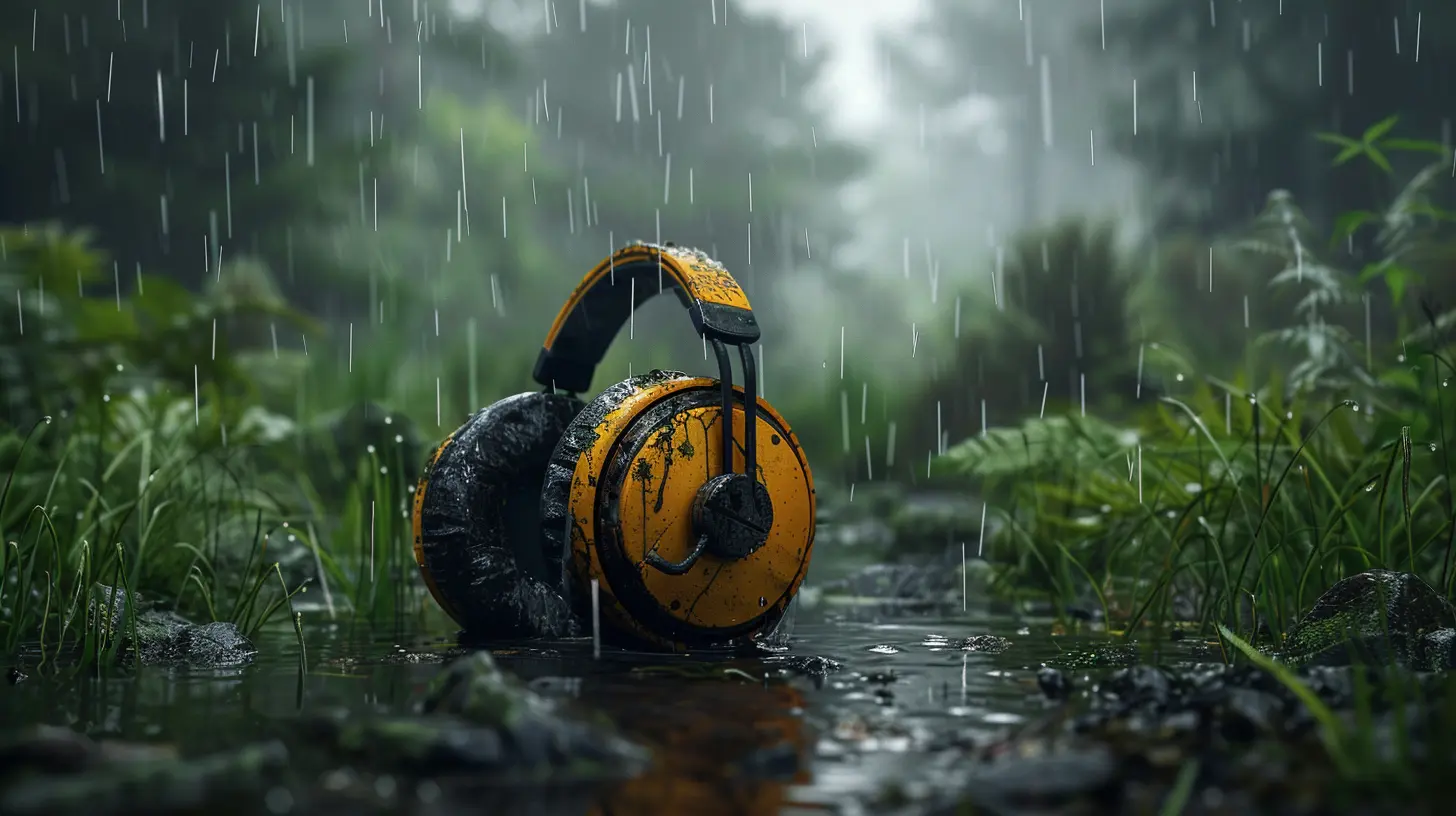
Original Audio: A Time Capsule or a Tech Relic?
Back in the day, games had to work with some pretty humble sound capabilities. We’re talking MIDI files that made every note sound like it was being farted out of a Game Boy, and voiceovers recorded on what could basically pass as a toaster microphone.But that’s what made them charming, right? That retro flavor hits different.
Now, in a remaster, developers are faced with a choice:
1. Keep the original audio and risk it sounding weird next to all that photorealistic goodness, or...
2. Re-record and redesign everything, possibly sending longtime fans into a full-blown existential crisis.
It’s a tricky balance. Too much change, and you’ve lost the magic. Too little change, and it sounds like you're playing a next-gen game through a tin can telephone.
Atmosphere Is 90% Audio (Yes, Really)
Let’s get something straight: The vibe? That’s mostly audio.You can have the most beautifully rendered haunted mansion in the world. But take away the creaking floorboards, the ghostly whispers, the distant thunder rolling in the background... and you might as well be touring a virtual IKEA showroom.
Good audio design builds tension. It enhances storytelling. It creates immersion. In a remaster, you’re not just updating visuals—you’re re-sculpting the whole vibe. And if the sound doesn’t pull its weight, the whole experience falls flatter than a pancake on a treadmill.
When Audio Goes Wrong: Exhibit A
Let’s talk about that absolute audio abomination—Grand Theft Auto: The Trilogy – The Definitive Edition. (Oh yeah, we're naming names.)Fans were ready for a nostalgia-fueled joyride. What they got instead was weird audio mixing, cut songs due to expired licenses (no Michael Jackson? Blasphemy), and dialogue that sounded like it was being shouted from inside a cardboard box.
Just like that, the whole vibe was off. And you know what gamers did? They revolted. They review-bombed. They made detailed Reddit posts with audio wave comparisons. You don’t mess with our soundtracks, okay?
Re-Recording vs. Remastering: A Sonic Dilemma
This is where things get juicy. Studios often have to decide: do we remaster the original audio (cleaning it up, adding spatial effects, etc.), or do we go full re-record?Remastering audio is the equivalent of taking an old painting and just giving it a good polish. You preserve what was there but allow it to shine brighter.
Re-recording, on the other hand, is like painting over the Mona Lisa because you think she’d look better with sunglasses. Risky business.
The truth is, there's no one-size-fits-all solution. But whatever path devs take, they'd better bring headphones to the decision-making meeting—because ears don’t lie.
Voice Acting: Leave It or Lose It?
Voice acting is probably the trickiest beast in audio remasters. Keep the original voices, and you might preserve the authenticity. But if the lines were recorded on a rusty Walkman, you risk breaking immersion.Recast the voices, and suddenly... nope. That’s not Solid Snake’s voice, and we’re not okay.
Voice actors become part of the character’s identity. It’s not just what they say, it’s how they say it. Their breath, tone, and delivery are all part of the performance. Swap them out, and it’s like replacing your grandma’s apple pie recipe with a frozen supermarket knockoff.
Just no.
Audio Fidelity: Now with 3D Audio Buzzwords™
Modern audio tech is wild. Dolby Atmos. 3D audio. Binaural sound. It's like your ears are getting massaged by tiny surround sound fairies.Why does this matter in remasters? Because new tech can finally deliver what the original game devs intended but couldn’t achieve because, you know, limitations and stuff. Remasters give us a chance to hear these worlds the way they were always meant to sound—layered, rich, and immersive enough to make you check your surroundings IRL.
Upgrading the audio means footsteps that actually sound like they’re on metal, gunshots that echo realistically, and ambient noises that make you jump out of your chair while playing horror games at 2 AM like a genius.
Music: The Heartbeat You Didn’t Know You Needed
I'm sorry, but if you remaster a game and mess with the music, you're committing a crime against humanity.The music is the emotional backbone of a game. It tells you when to feel tense, when to feel joy, and when it’s time to get your game face on (cue boss battle music).
Whether it’s orchestral or chiptune, a proper audio remaster respects the original compositions and presents them in high fidelity. If a remastered soundtrack loses the charm or shifts the tone too much? You've messed with our muscle memory. Our brains go full “does not compute.”
Accessibility, Baby!
Audio remasters also open up a whole new world for gamers who rely on sound. Better audio cues, spatial awareness, clearer dialogue—all of these contribute to inclusive design. It’s not just about being fancier; it’s about being better for everyone.Also, subtitles and audio cues? Make them adjustable, please. Accessibility isn't just a checkbox, it's a mindset. Game studios that nail this earn a permanent spot in our gamer hearts.
Final Thoughts: Don't Phone It In, Devs
To the game studios reading this (hey, I can dream), please understand: audio design isn't the cherry on top of a remaster—it's half the sundae.We can forgive some janky graphics or stiff animations. But ruin the soundscape—the music, the ambiance, the voice—and you’ve robbed us of what made the original special.
Gamers have long memories and even better headphones. So please, give audio the love it deserves. Add that extra polish. Use that fancy 3D sound tech. And by all means, keep the bangers in the soundtrack.
Because when it comes to game remasters, it's not just about what we see—it's about what we hear, feel, and remember.
TL;DR – Because I Know You Scrolled
- Audio design is wildly underrated in game remasters.- It boosts nostalgia, immersion, and storytelling like nothing else.
- Don’t mess with the soundtrack unless you want chaos.
- Re-recording voice lines? Think twice.
- Modern audio tech gives devs superpowers—use them wisely.
- Accessibility matters; audio helps everyone game better.
- Skimp on audio, and fans will absolutely notice (and roast you mercilessly).
all images in this post were generated using AI tools
Category:
Remastered GamesAuthor:

Brianna Reyes
Discussion
rate this article
2 comments
Morgan McAleer
Audio design in game remasters not only enhances nostalgia but also deepens immersion. A well-crafted soundscape can evoke emotions and create a more engaging experience for players.
July 18, 2026 at 3:36 AM
Uzi McVey
Great sound can truly elevate the gaming experience... keep it up!
May 20, 2026 at 4:37 PM
Brianna Reyes
Thanks for the support! Audio really does make a big difference in how we enjoy games.