When Remasters Improve Storytelling and Immersion
20 August 2026
Let’s be real for a second—we all love a good remaster. There's nothing quite like revisiting a classic game with a fresh coat of paint, crisper audio, or smoother mechanics. But beyond the glitz of upgraded graphics and polished performance, something truly magical happens when developers tweak storytelling and improve immersion. It’s like watching your favorite movie again but suddenly noticing hidden layers you missed the first time. That’s the power of a well-executed remaster.
But here's the catch: not all remasters are created equal. Some just slap on HD textures and call it a day. Others? They dig deep. They take the bones of the original and flesh it out in a way that makes it feel brand new—without losing the soul that made it special in the first place.
Today, we're diving into how remasters can actually enhance storytelling and immersion in games. If you thought you loved that old game before, wait till you see what a thoughtful remaster can do.
What Makes a Remaster Truly Impactful?
Before we dive into the juicy examples and reasons, let’s define what we actually mean by a “remaster.” A remaster typically takes an existing game and improves its visuals, audio, and sometimes the gameplay mechanics. But when it gets REALLY good, it starts refining how the story is told and how connected you feel to the game world. That’s where things jump from ‘remastered’ to ‘reimagined.’So, what sets apart those remasters that truly level up the experience?
- ? Enhanced narrative pacing
- ? Better voice acting and sound design
- ? Visual storytelling improvements
- ? Added context or updated dialogue
- ?️ Refined gameplay integration with the story
Each of these elements can turn what was already a good story into a great one—and make immersion feel like second nature.
The Glow-Up: Storytelling That Hits Harder
Let’s talk storytelling. If the original game had a compelling plot, a remaster has the opportunity to make that story hit even harder. Developers can tweak dialogue, improve cutscene animations, or even add previously unreleased content that fills in plot holes or deepens character arcs.Real Talk: Voice Acting Matters More Than You Think
One major thing that often gets overlooked? Voice acting. A stellar remaster usually means re-recorded or cleaned-up audio. That means emotional moments carry more weight, and characters feel more alive than ever. Just think of how bad audio can completely kill a dramatic scene. Now imagine remastered versions where you can actually feel the tension, love, or fear in a character’s voice. Game-changer.Cutscenes That Don’t Feel Like Cutscenes
You ever play an older game where cutscenes looked like they were from a bad VHS dub? Yikes. In modern remasters, those same scenes get reanimated or rendered in real-time, blending seamlessly into gameplay. It’s smoother, more natural, and helps you stay locked in the experience.
Atmosphere is Everything
Let’s not kid ourselves—visuals alone don’t define immersion. It's about atmosphere. That intoxicating blend of sights, sounds, story, and gameplay that makes you forget you're staring at a screen.Lighting That Tells a Story
One of the unsung heroes of immersive storytelling is lighting. A remaster often revamps how environments are lit, which can subtly (or not so subtly) shift the mood of a scene. A dark alley feels more dangerous. A sunlit forest feels more hopeful. Those emotional cues lead the player deeper into the story without a single line of dialogue.Environmental Storytelling Is Stronger Than Ever
In older titles, technical limitations often forced environments to be bare and lifeless. Now? Developers can go wild with details. Notes left on a desk, items scattered around a room, footprints in the snow—all these tell stories without words. A great remaster makes you feel like a detective piecing together a narrative simply by paying attention.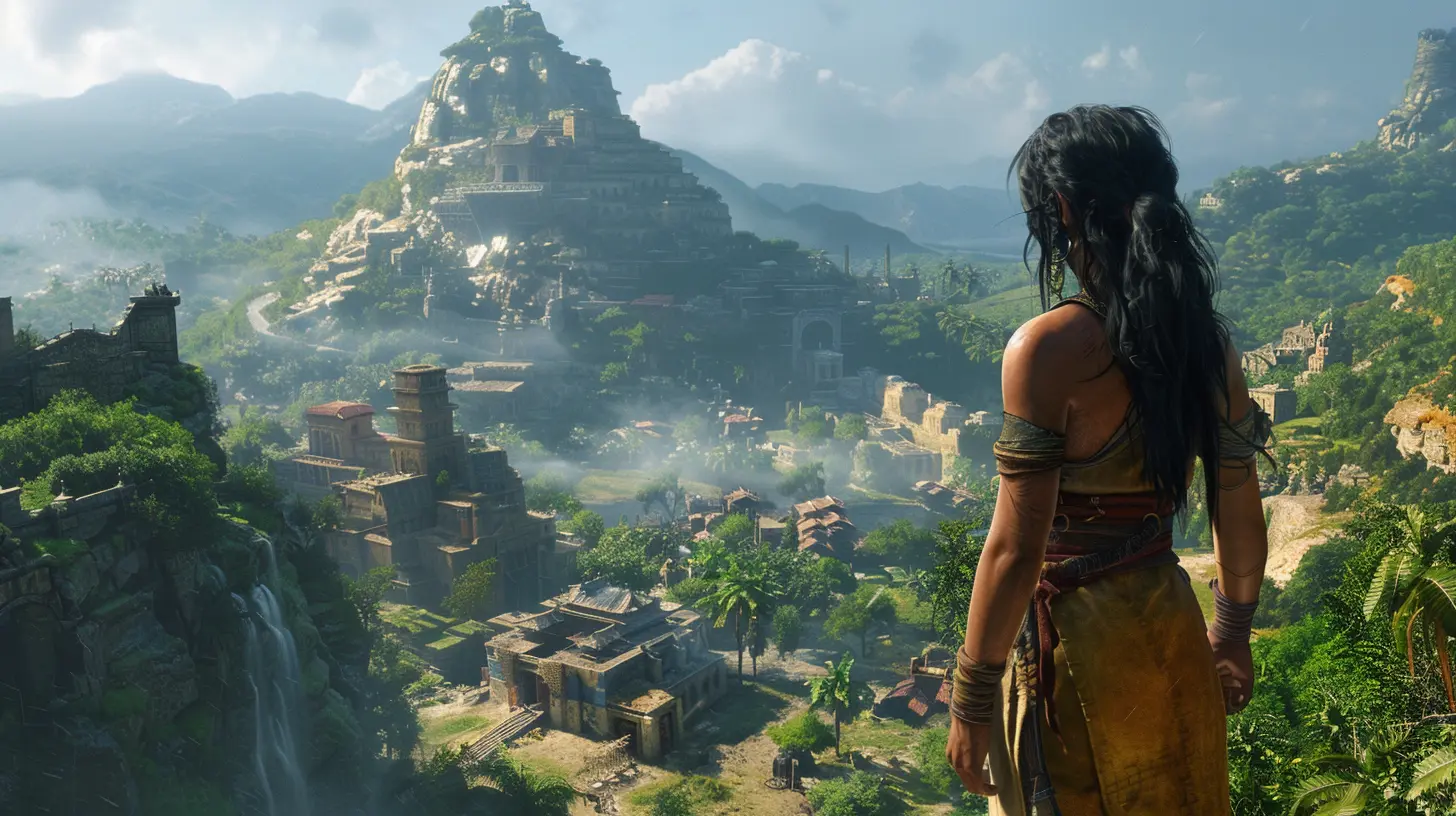
Big Names That Nailed It
Okay, let’s get into the real talk. Which remasters actually pulled this off? Let’s look at some fan-favorite examples where storytelling and immersion went through the roof.? The Last of Us Part I (Remastered)
This is easily one of the best examples out there. The remaster didn’t just put a prettier face on Joel and Ellie—it elevated everything. Facial animations were so lifelike you could see the pain in someone's eyes before they even spoke. The updated AI meant NPCs behaved in ways that made more sense, pulling you deeper into their world of survival and emotional turmoil.? Halo: The Master Chief Collection
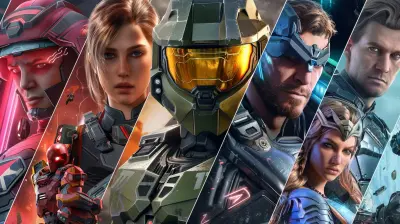
Halo fans got more than just a nostalgia trip when this collection dropped. With updated visuals, remastered audio, and seamless switching between old and new modes, the story felt both fresh and familiar. You could appreciate the evolution of the war narrative and character arcs with clearer fidelity and stronger pacing.? Resident Evil 2 Remake
Yes, technically a remake, but it's too good not to mention. Resident Evil 2's shift to an over-the-shoulder perspective changed everything about how the story was felt. Terrifying encounters were more personal. Character interactions had more depth. And even longtime fans were surprised at just how emotionally engaging it all became.Accessibility As a Narrative Tool
Here’s something that doesn't get nearly enough attention: accessibility features. Many remasters now include options that were never present in the original games—things like subtitles, colorblind modes, and customizable controls. So what does this have to do with storytelling?Well, when more people can engage with the content comfortably, more people connect with the story. That’s not just inclusion—it’s immersion. And it shows that modern remasters aren’t just about looking pretty, they’re about opening the door wider for everyone to walk through and feel something.
Remaster or Reboot? Know the Difference
Alright, let’s pump the brakes real quick. Not every remastered game becomes better at storytelling and immersion. And not every game that does is actually a remaster. Sometimes what we're calling a "remaster" is closer to a remake or even a reboot.So what's the difference?
- Remaster: Same core game. Improved textures, audio, and sometimes minor gameplay tweaks or added content.
- Remake: Rebuilt from the ground up. Same story (usually), but new engine and game mechanics.
- Reboot: Whole new take. Same universe or theme, but everything else changes.
Understanding this helps manage expectations. Not every remaster can (or should) completely rewrite the narrative. But when they enhance the tools through which the story is told—visuals, pacing, voice acting—it can make all the difference.
Why It Matters More Than Ever
Look, storytelling in games has come a long way. We're in an era where games are expected to make us feel, think, and connect. And let’s be honest—modern gamers are more savvy. We notice clunky dialogue, dead-eyed character models, and awkward transitions.So when a remaster addresses those pain points? It doesn't just improve immersion—it shows love for the art of storytelling.
Gaming is no longer just about pressing buttons and scoring points. It’s about living a story, breathing in a world, and making choices that feel like they matter. So when remasters help us feel a little more, they’re doing something truly special.
The Future of Remastered Storytelling
So, where do we go from here? As technology evolves, the bar for remasters will only get higher. Real-time rendering, AI-enhanced animations, dynamic storytelling—all of these tools will shape how stories are retold.In fact, as games begin to embrace even more cinematic and personalized storytelling techniques, remasters may start to feel more like director’s cuts. Think of them as the version the developers always wanted to deliver, now finally possible with today’s tech.
And let's not forget fan feedback. Player communities have a huge voice in what gets remastered and how stories get expanded. That dialogue between devs and players ensures that future remasters don't just polish—they elevate.
Final Thoughts: When Nostalgia Gets a Narrative Upgrade
At its best, a remaster is more than a nostalgia trip. It’s a chance to re-experience a story with fresh eyes, to re-feel emotions you forgot were there, and to reconnect with characters and worlds that once meant something to you.When done right, a remaster doesn’t just remind you why you loved a game—it deepens that love. It brings storytelling to the forefront in ways the original couldn’t, and makes immersion feel effortless.
So the next time you hear someone grumbling, “Ugh, not another remaster,” just smile. Because when a studio puts heart and soul into the update, it’s not just “another remaster.” It’s a resurrection—and a revelation.
all images in this post were generated using AI tools
Category:
Remastered GamesAuthor:

Brianna Reyes