What Esports Teams Can Learn from Traditional Sports
28 December 2025
Esports has skyrocketed from makeshift LAN parties and basement tournaments to sold-out stadiums, million-dollar prize pools, and global fanbases. But as thrilling and boundary-pushing as competitive gaming is, let’s face it—traditional sports have been in the game way longer. We're talking decades (even centuries) of trial and error, success stories, and cautionary tales.
So here’s a thought—what if esports teams took a page (or a full playbook) from the world of traditional sports? Could the future of pro gaming be shaped by lessons from football, basketball, soccer, or even baseball? You bet it could.
In this article, we dive into the juicy parallels and what competitive gaming squads can snag from their OG sports ancestors. Let’s level up.
1. Team Culture Isn't Just a Buzzword — It's Your Foundation
Let’s start with the vibe—team culture.In traditional sports, you’ll never hear the end of how important “culture” is. Think about teams like the New England Patriots or FC Barcelona. These teams didn’t become legendary just from raw talent. Their locker room culture, shared values, and unshakable unity were baked deep into their DNA.
Esports? Often, it’s just a group of insanely skilled players thrown together. No chemistry, no clear leadership, and sometimes—ouch—no idea how to function as a unit. That’s a recipe for disaster.
👉 What can be learned:
- Build a unified team identity.
- Foster communication on and off the virtual field.
- Establish leadership roles beyond just choosing a shot-caller.
Culture isn’t about avoiding conflict—it’s about navigating it together with a compass that points to mutual respect, shared goals, and good vibes.
2. Coaching Isn’t Just About Strategies
In esports, coaches are often underutilized or misunderstood. A coach? What for? We're just playing games, right?Wrong. In traditional sports, coaching is everything—tactics, mindset, physical conditioning, and motivation. A great coach can turn a bunch of rookies into champions. Think Phil Jackson with Michael Jordan and the Bulls.
Esports athletes are just that—athletes. They train for hours, face pressure, and need guidance. A solid coach doesn’t just say “aim better.” They help players recognize patterns, manage tilt, build synergy, and grow personally and professionally.
👉 Esports should invest in:
- Game-specific coaches and analysts.
- Mental health professionals and performance psychologists.
- Leadership mentors who can develop young talent into future leaders.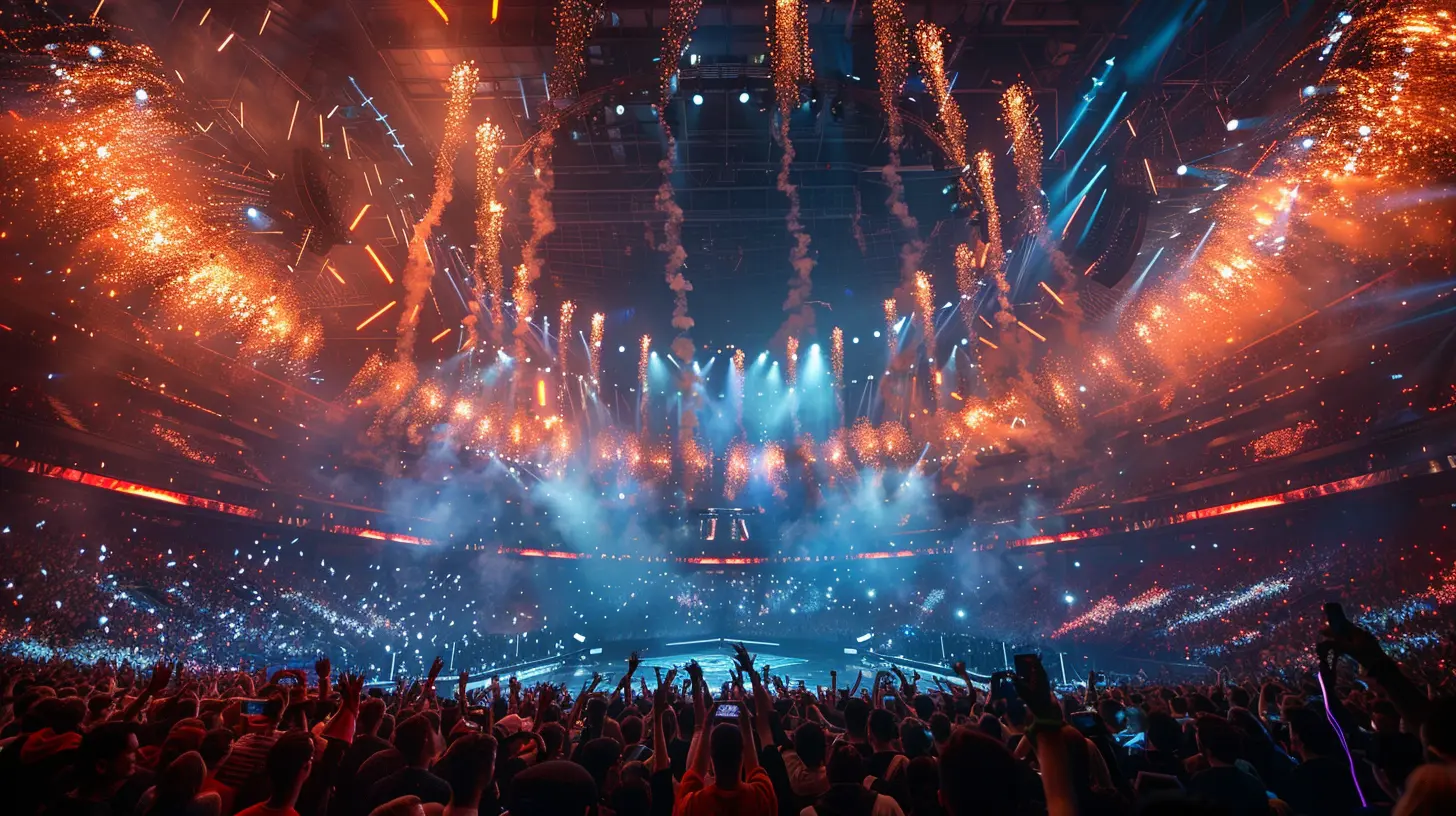
3. Player Development Should Be a Long Game
Traditional sports teams scout talent young. There are junior leagues, college teams, and academies all grooming the next prodigy. By the time someone hits the big leagues, they’ve had years—yes, years—of development.Esports, on the other hand? It’s often sink or swim. A kid pops off in ranked, gets signed, and suddenly they're expected to perform under massive pressure on the world stage.
👉 Here's where esports can evolve:
- Establish academies and tier-two teams.
- Focus on more than mechanics—develop emotional intelligence, communication, and media handling.
- Make space for players to grow without burning out.
Player development shouldn't be a microwave process. It’s more like a slow-cooked meal—time, care, and seasoning make all the difference.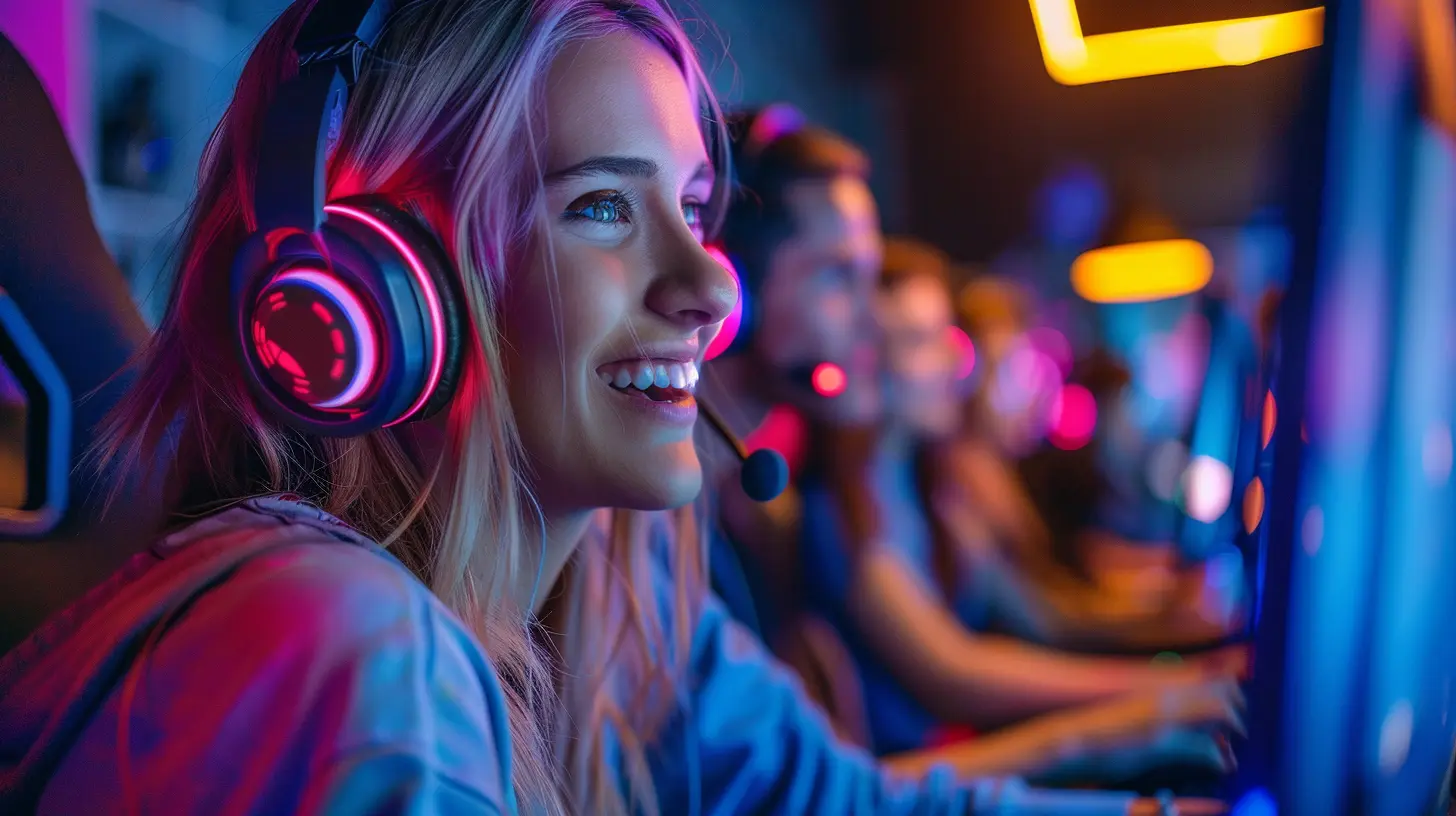
4. Fan Engagement is a Two-Way Street
Sports fans are diehards. Rain or shine, win or lose—they show up wearing team colors, painting their faces, and screaming from the nosebleeds. Why? Because they feel connected. That team's story is part of their identity.Esports has passionate fans, no doubt. But many orgs still treat fan engagement like an afterthought. A few tweets here, a YouTube vlog there—and that’s it.
That’s not gonna cut it, chief.
Traditional sports have mastered:
- Building narratives around players (x overcame y to win z).
- Creating epic rivalries that fuel loyalty.
- Celebrating fans as much as players.
👉 Esports teams need to:
- Tell their origin stories, wins, losses, drama and all.
- Showcase players’ personalities beyond the gaming chair.
- Involve fans in content, decisions, and live events.
In esports, your fans aren’t just viewers—they’re part of your squad. Treat them like it.
5. Brand Identity Goes Beyond a Cool Logo
Every sports team you know and love has a unique brand identity. Think of the flashy showmanship of the Harlem Globetrotters, the gritty hustle of the Detroit Pistons in the '80s, or the sleek dominance of Real Madrid. It’s more than colors and mascots—it’s a vibe.Many esports teams, though, look and feel the same. Dark-themed logos, edgy names, and vague branding. What's the story? What do they stand for?
👉 Time to level up the branding game:
- Define what your team stands for: underdogs, innovators, community-driven?
- Align content, social media, and sponsor choices with that identity.
- Let your brand evolve with your players and fans.
Branding isn't just about logos—it's the soul of your team. Make it unforgettable.
6. Health, Wellness, and Longevity Matter
Traditional athletes have nutritionists and trainers. They’re conditioned, stretched, and monitored like million-dollar machines—because they are.Esports players? Most are burning both ends of the candle. Poor sleep, no exercise, fast food, and insane schedules. That’s not sustainable.
Burnout is real. And it's a silent killer in esports.
👉 Steal this from traditional sports:
- Implement structured practice schedules with breaks.
- Encourage physical activity and mental wellness.
- Provide resources for sleep, stress, and diet optimization.
A healthy player is a high-performing player. Period.
7. Business Structure Creates Stability
Let’s talk business—because at the end of the day, esports is a business.Traditional sports teams are built on robust legal, financial, and operational frameworks. They have general managers, contracts, player unions, and systems that provide structure.
Esports? It can still feel like the Wild West. Contracts get disputed, payments are late, and players sometimes find out they’re benched on Twitter.
👉 Here's what we need:
- Transparent and legally sound contracts.
- Fair revenue sharing models.
- Long-term financial planning.
Bringing structure to esports doesn’t kill the vibe—it keeps the show running.
8. Media Training & Public Persona Count...A Lot
Ever seen a post-match interview where the athlete delivers a flawless, relatable, and respectful sound bite that fans replay for weeks? That’s media training in action.Now flip over to esports—a disappointed pro mumbles something salty into a mic, or worse, snaps on stream and damages their reputation.
Players represent brands. And in today’s world, every tweet, clip, and rage moment is immortal.
👉 Time to take the media game seriously:
- Offer media training sessions.
- Prepare players for interviews, panels, and content appearances.
- Train players to handle criticism, trolls, and cancel culture calmly.
You're not just playing a game—you’re playing a role in a global narrative. Make it count.
9. Scouting and Data Analysis Should Be Standard
Traditional sports have entire departments dedicated to scouting and data analysis. They can tell you how many passes a player made per quarter, their shooting percentage, and even how they perform under certain weather conditions.In esports, we have the tools—but not always the foresight. Many orgs simply look at ladders and leaderboards or rely on tournament results.
There’s a goldmine of data and analytics in every match. Are we mining it?
👉 Here’s how esports can gain an edge:
- Use data-driven scouting to identify undervalued talent.
- Analyze team performance trends against specific strategies or maps.
- Track player fatigue, decision-making under pressure, and comms efficiency.
Let math be your MVP.
10. Legacy Is Built Over Time
In traditional sports, legacy is everything. Teams build dynasties. Players become legends. Moments turn into history.Esports often focuses on the now—the current patch, the latest meta, this week's tournament. But if you want to be more than a flash-in-the-pan, you’ve got to think long-term.
👉 Here's how to build a legacy:
- Archive your matches, achievements, and milestones.
- Share your story through documentaries, retrospectives, and fan tributes.
- Give back to the community through mentorship, scholarships, and grassroots events.
Legacy in esports isn’t just built with wins—it’s built with memories.
Final Thoughts
Sure, esports is carving out its own unique path. It's fast, flashy, and redefining competition in the digital age. But that doesn’t mean it can't soak up some wisdom from the old guard.Traditional sports have been through the wringer—they’ve made the mistakes, fought the battles, and earned the rings. There’s no shame in stealing some playbook pages.
So here’s to a hybrid future, where esports doesn’t just grow…it evolves, matures, and becomes something truly legendary.
Are you ready to build your dynasty?
all images in this post were generated using AI tools
Category:
Esports TeamsAuthor:

Brianna Reyes
Discussion
rate this article
2 comments
Susan Sheppard
Great insights! It’s fascinating to see how strategies from traditional sports can elevate esports. Teams can definitely score big by embracing teamwork, discipline, and communication. Game on! 🎮🏆
January 12, 2026 at 5:10 PM
Brianna Reyes
Thank you! I completely agree—drawing from traditional sports can really enhance team dynamics and performance in esports. Game on! 🎮
Dean McNeil
The convergence of esports and traditional sports offers invaluable insights for team dynamics, branding, and fan engagement. Emphasizing strategic long-term planning, fostering community ties, and adopting effective training regimens can enhance esports teams' performance and sustainability, ultimately bridging gaps between the two realms.
December 28, 2025 at 4:40 PM
Brianna Reyes
Absolutely! Traditional sports provide a wealth of strategies for building team cohesion, enhancing branding, and engaging fans, which esports teams can leverage for greater success and sustainability.