The Technology Behind Stunning Game Remasters
16 July 2026
Ever booted up a remastered game and thought, “Whoa, this looks way better than I remember!” You're not alone. Game remasters have been blowing our minds lately, blending nostalgia with jaw-dropping visuals and smoother gameplay. But what’s the magic behind it? Let’s pop the hood and take a closer look at the tech that brings classic games back to life.
Why Game Remasters Are a Big Deal
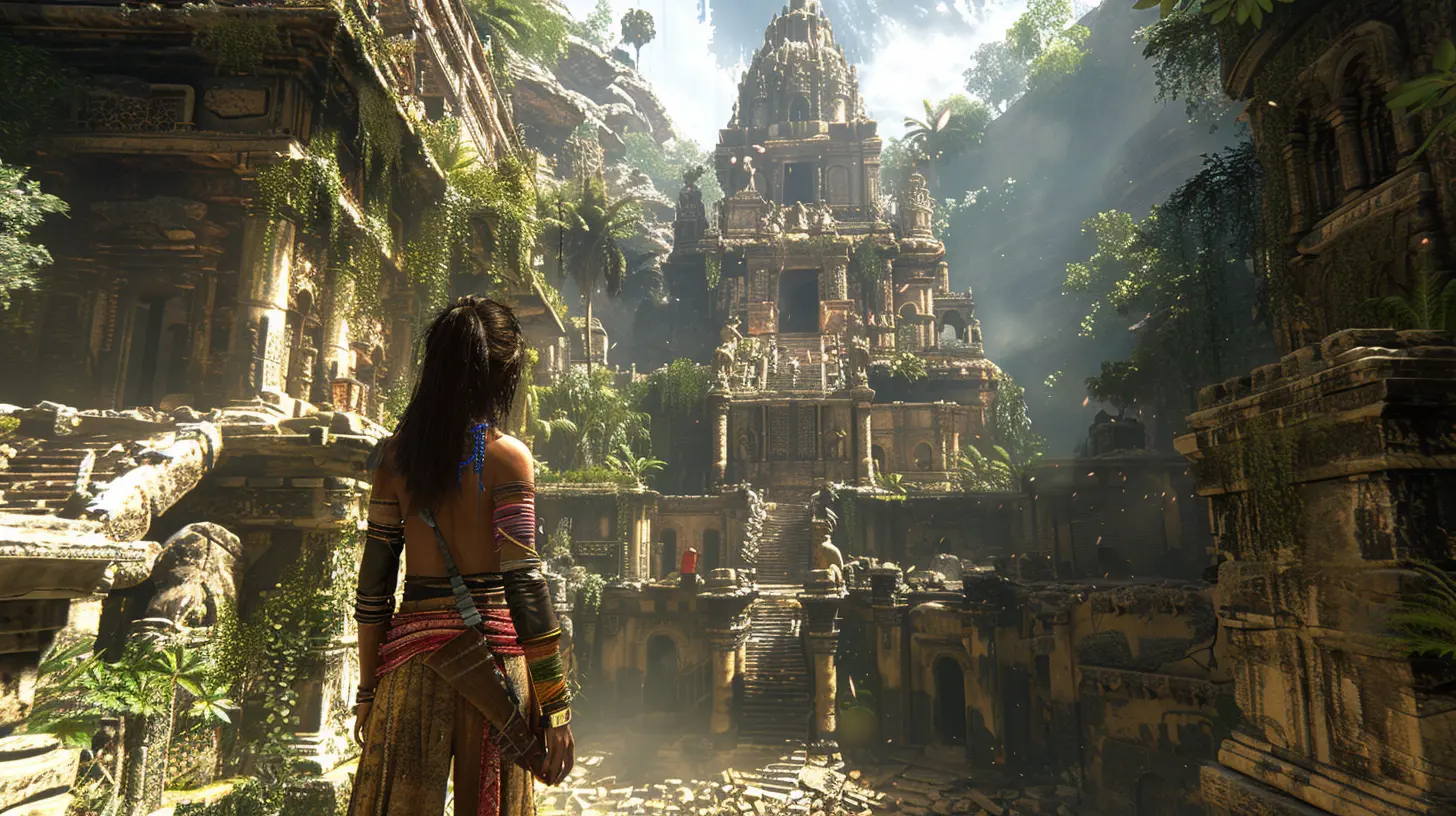
Before diving into the tech side of things, let’s talk about why remasters matter.Remember how crisp a game looked when you played it back in the day? Then you revisit it years later and… yikes. Blocky characters, stiff animations, muddy textures—it’s a reality check. But remasters step in to polish those rough edges. They breathe new life into your old favorites, making them playable—and enjoyable—again on modern systems.
Nostalgia is powerful, but it hits harder when it comes with ray-traced lighting and buttery-smooth frame rates. That’s where technology comes in.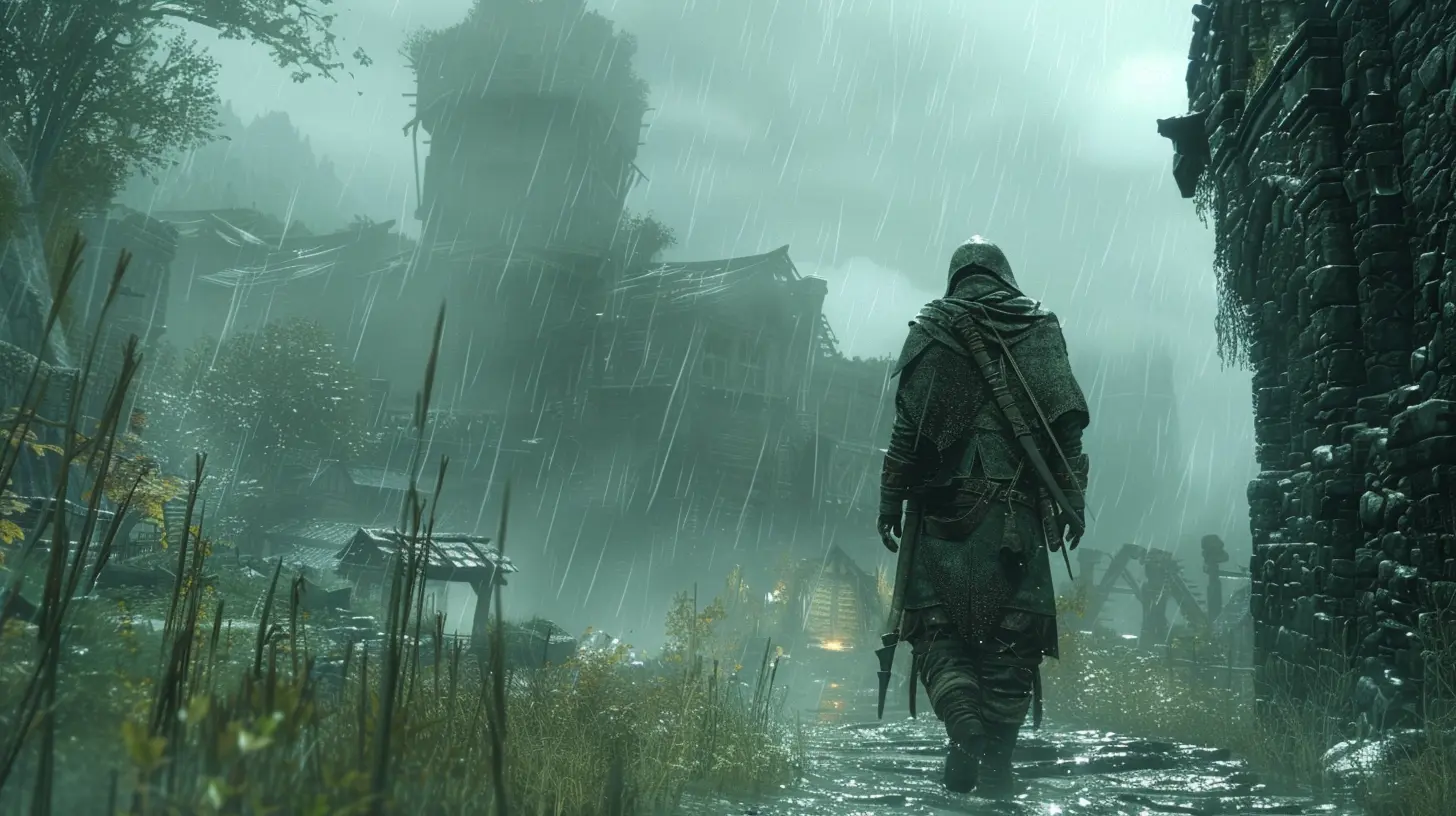
The Core Mission of a Game Remaster
A game remaster isn’t the same as a remake. Remakes are built from scratch. Think of them like tearing down a house and constructing a brand-new one. Remasters, on the other hand, are more like renovations—same structure, but with updated plumbing, lighting, and furniture.The goal? Preserve the soul of the original while making it shine in the modern gaming world.
Now, let’s break down the toolbox developers use to get the job done.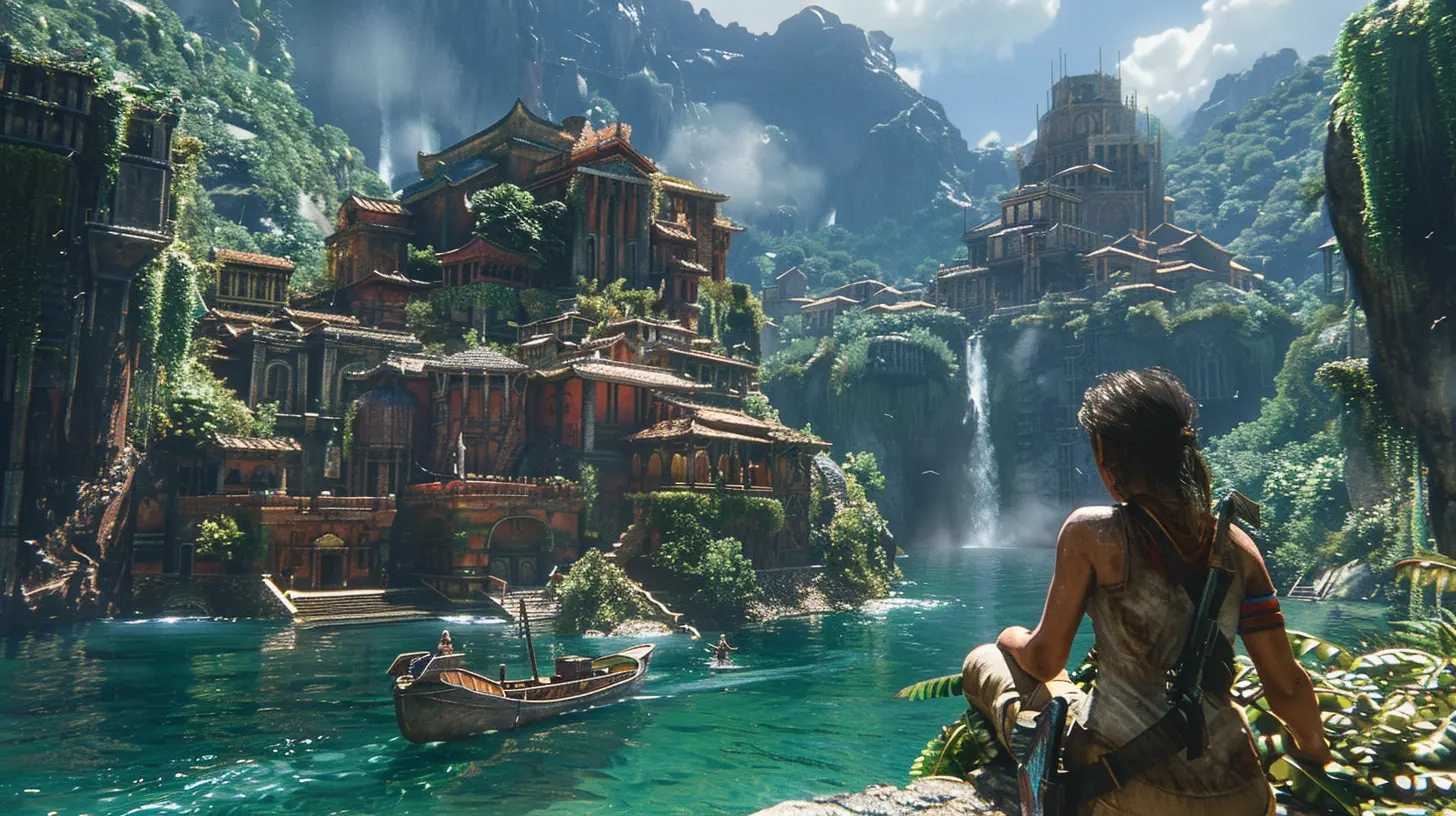
1. Higher Resolution Textures
Let’s start with one of the most noticeable upgrades—textures. Old games were often stuck with low-res textures due to hardware limitations. We’re talking pixelated walls, blurry faces, and flat-looking environments.How It Works:
Modern remasters swap these outdated textures for high-resolution versions. Tools like Substance Painter and Quixel Megascans are popular in the industry. Artists go in and repaint surfaces, giving them depth, detail, and realism. It's like switching from an old tube TV to a 4K OLED display.Some developers even use AI upscaling to enhance original textures automatically. Machine learning analyzes the old texture, fills in the gaps, and improves quality without losing the original design.
2. Lighting and Shadows: Say Hello to Ray Tracing
Lighting can make or break the visual appeal of a game. Back in the early 2000s, games relied on basic light maps and shadow tricks to fake realism.The Glow-Up:
Today’s remasters often incorporate ray tracing, a rendering technique that simulates how light behaves in the real world. Instead of faking it, games now calculate how rays of light bounce off objects, creating realistic reflections and shadows.Remember the remastered version of Quake II RTX? Same game, drastically better lighting. It’s like someone turned the lights on in a dimly lit museum.
3. Frame Rate Boosts and Performance Optimization
Ever played an old game that chugs along at 20 FPS? Not fun.What Devs Do:
Modern remasters often target 60 FPS or higher, thanks to improvements in engine optimization and more powerful hardware. Developers might tweak the game engine to handle modern CPUs and GPUs more efficiently.In some cases, they unlock frame rate caps or build in dynamic resolution scaling so the game runs smoothly across different systems. The goal? Smoother animations, better control responses, and a more immersive experience.
4. Reworked Audio for A Modern Soundscape
Visuals aren't the only thing getting an upgrade. Audio plays a huge role in immersion.What’s New:
Developers remaster soundtracks, re-record voice acting, or remix audio files for surround sound formats like Dolby Atmos. The result? You hear footsteps behind you, rain falling around you, and explosions that feel like they’re shaking your living room.Games like Halo: The Master Chief Collection showcase just how impactful audio remastering can be. It’s like hearing your favorite song in high fidelity for the first time.
5. UI and Quality-of-Life Improvements
Let’s face it—some old UIs are clunky beyond belief. Menu navigation, saving systems, button prompts… they’ve come a long way.What’s Changed:
Modern remasters often bring UI design up to today’s standards. Think easier menus, HUD customization, autosaves, and accessibility features like colorblind modes or subtitle adjustments.Developers aim to blend the charm of the original interface with the fluidity we expect today. It’s like updating your favorite retro car with a touchscreen GPS—it just makes life easier.
6. Compatibility with Modern Platforms
This one’s a biggie. A remaster isn’t much help if it won’t work on your current console or PC.The Fix:
Developers usually tweak or rebuild parts of the game to ensure compatibility with modern operating systems and hardware. They might port the game to newer engines (like Unreal or Unity), or build custom wrappers that make the old code talk to new tech.This includes support for ultrawide monitors, 4K resolution, and even controller remapping. Basically, the game needs to feel like it belongs in today’s ecosystem.
7. Preserving the Original Feel
Here’s the tricky part: while giving the game a modern facelift, developers must stay true to the original.Authenticity vs. Innovation:
Tweaking too much risks alienating longtime fans. So game studios walk a fine line—fix the rough edges, but don’t mess with the magic. Think of it like remastering an old song: you want better sound quality, but you don’t want to mess with the melody.This often means using the original game code as a base but layering improvements on top. You get the same gameplay, but it feels tighter, cleaner, and more engaging.
8. AI and Machine Learning in Game Remasters
Artificial intelligence isn’t just for self-driving cars and creepy chatbots—it’s playing a role in game remasters, too.How It Helps:
AI is especially handy when original assets are missing or of poor quality. For example, AI upscaling tools can improve old textures, as mentioned earlier. But it can also be used to clean up audio or fill in missing animation frames.This saves time and manpower, while still delivering impressive results. It’s like having a digital intern who’s really, really good at Photoshop.
9. Community Mods vs. Official Remasters
We’ve got to give a shoutout to the modding community. Before official remasters became a trend, modders were already breathing life into aging classics.The Difference:
Mods often add new textures, models, and even gameplay tweaks. But official remasters come with complete QA testing, optimized performance, and developer-approved changes that maintain the integrity of the original.Still, some studios have started collaborating with modders or using community-created tools during development. It’s a full-circle moment that shows how passionate fans can shape the future of gaming.
10. Case Studies: Legendary Remasters That Got It Right
If you’re wondering which remasters nailed it, here are a few case studies:? Resident Evil 2 Remaster
Though slightly closer to a remake, this game kept the terrifying feel of the original while reworking the camera, controls, and graphics to modern standards. A masterclass in thoughtful design.? Shadow of the Colossus (PS4)
This one wowed fans with its stunning visual overhaul while keeping gameplay mostly untouched. It proves that with the right care, even minimal changes can breathe new life into iconic titles.? Crash Bandicoot N. Sane Trilogy
The developers rebuilt the original trilogy from the ground up, staying faithful to level design while overhauling graphics, music, and controls. It was like seeing your childhood come to life in HD.Final Thoughts: Why Tech-Driven Nostalgia Rocks
Game remasters are more than just corporate cash-ins—they’re love letters to the past, powered by cutting-edge technology. From ray tracing to AI upscaling, developers now have tools that once seemed like sci-fi. And when they’re used with care, the results are stunning.The best part? You don’t need to dust off old consoles or suffer through clunky mechanics to relive your favorites. Thanks to modern tech, yesterday’s games can stand toe-to-toe with today’s blockbusters.
So the next time you fire up a remaster, take a moment to appreciate the tech under the hood. It might look like magic, but it’s really just brilliant engineering with a healthy dose of nostalgia.
all images in this post were generated using AI tools
Category:
Remastered GamesAuthor:

Brianna Reyes