The Impact of Mario on Platformers and Game Design
10 January 2026
When you think about video games, one name towers above the rest: Mario. Whether you're a hardcore gamer or someone who hasn’t touched a controller since the '90s, chances are you’ve heard of this mustachioed plumber in his iconic red hat. But Mario isn’t just a pop culture icon; he’s a revolutionary figure in gaming. From redefining the platforming genre to reshaping game design as a whole, Mario’s impact is nothing short of legendary.
In this article, we’ll dive deep into how Mario changed the face of platformers and influenced game design as we know it. So grab your Power-Up and let’s hit the ground running—much like Mario himself would.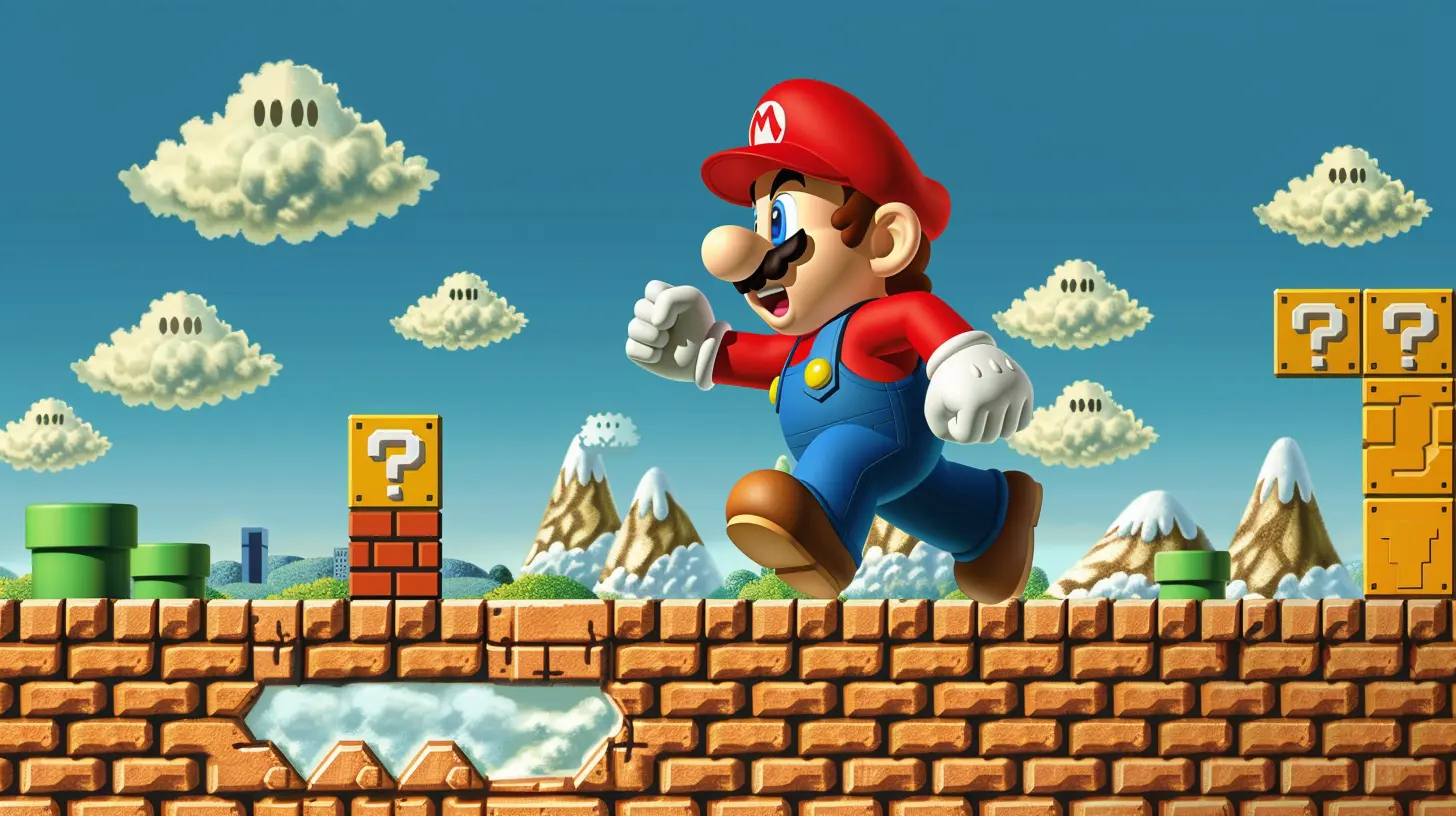
A Brief History of the Mushroom Kingdom’s Hero
Before diving into his impact, let’s take a quick trip down memory lane. Mario’s debut was in 1981’s Donkey Kong as "Jumpman," a character tasked with rescuing his girlfriend (later known as Pauline) from a barrel-throwing ape. But it wasn’t until 1985’s Super Mario Bros. for the Nintendo Entertainment System (NES) that Mario truly entered gaming legend.This wasn’t just another video game—it was a revolution. Super Mario Bros. introduced polished controls, sprawling levels, hidden secrets, and gameplay elements that were completely unheard of at the time. It set the standard for platformers and proved that games could be more than repetitive arcade experiences; they could be adventures. And boy, did Mario lead the charge.
Redefining Platformers: How Mario Set the Bar
Platformers were once simplistic affairs. Picture this: you’d jump from platform to platform, maybe collect a few points, and avoid enemies. There wasn’t much else going on. Then came Mario, rewriting the rulebook. Here's how Mario redefined what platformers could be:1. Tight and Intuitive Controls
Remember how frustrating it used to feel when a game character wouldn’t respond to the controls properly? That's a relic of the past, thanks to Mario. One of the most groundbreaking aspects of Super Mario Bros. was the precision of its controls. Mario’s jumps, movements, and speed felt natural and reactive. It’s like the controller became an extension of your hands.This wasn’t just game design—it was an art form. Players felt completely in control, whether they were sprinting across platforms or dodging that pesky Koopa Troopa. Many platformers since have followed Mario's lead, ensuring their controls are smooth as butter.
2. Level Design That Feels Alive
Mario didn’t just run through boring, linear environments—each level was like its own mini playground. The first level (World 1-1) of Super Mario Bros. has been analyzed by game developers as the gold standard for teaching mechanics without a single tutorial. The design guided you naturally: blocks to jump on, pits to avoid, and enemies that introduced you to combat mechanics.From hidden Warp Zones to secret power-ups, Mario introduced exploration into platformers. It wasn’t just about reaching the end goal—it was about discovering the journey along the way.
3. Power-Ups That Change the Game (Literally)
Let’s be real—what’s Mario without his Power-Ups? The Super Mushroom, Fire Flower, and Starman weren’t just cool bonuses; they revolutionized gameplay. Suddenly, you weren’t just dodging enemies—you were turning the tables and frying Goombas with fireballs!Power-ups introduced a layer of strategy and variety to platformers. Developers realized they could give players tools to interact with the environment in new ways, and it’s a concept that’s persisted in gaming ever since.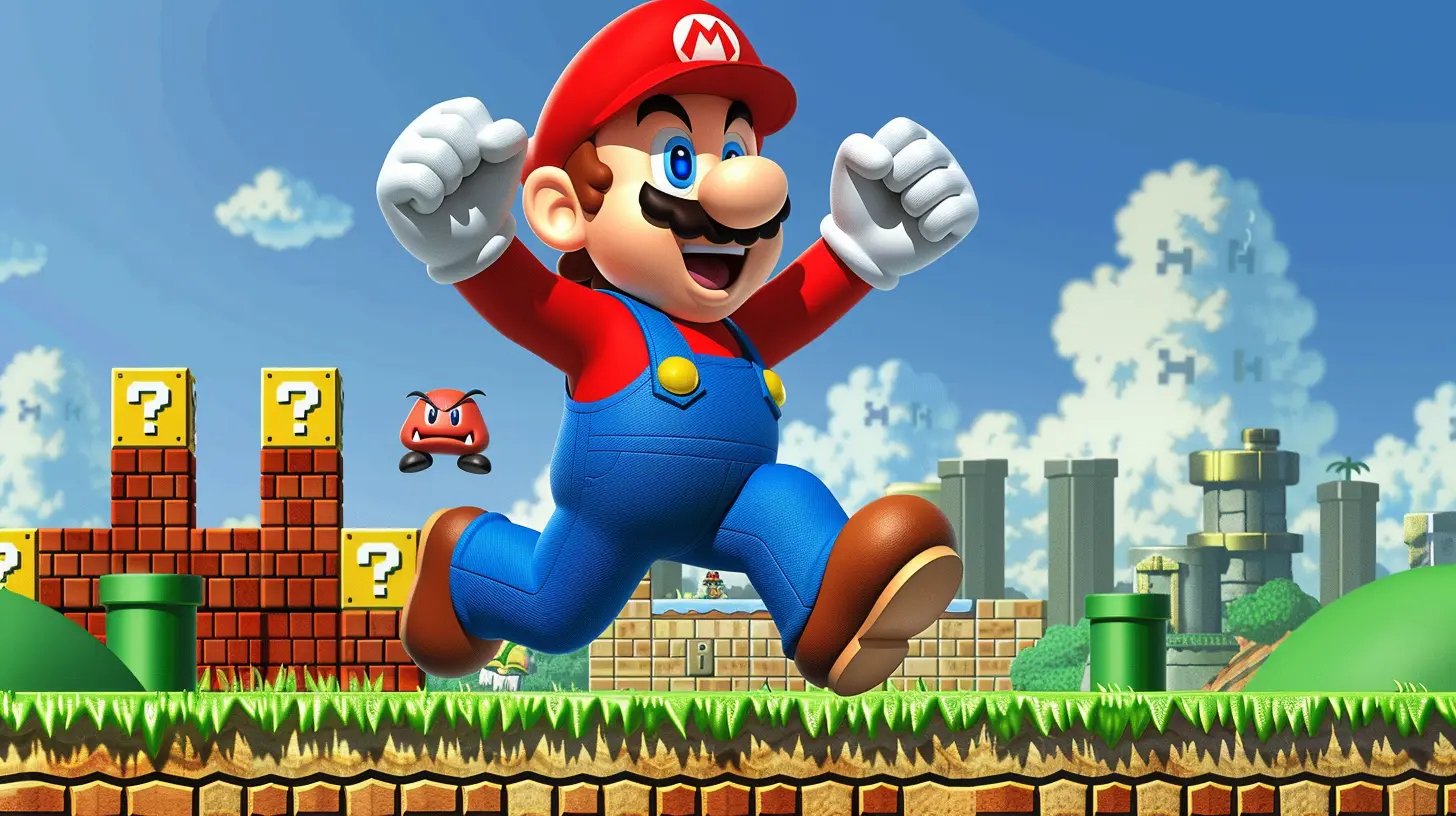
Mario and the Evolution of Game Design
Mario didn’t stop at shaking up platformers—his influence ripples throughout game design as a whole. From teaching players through gameplay to creating iconic music and characters, Mario games have become a blueprint for success.1. Gameplay Over Explanation
How many tutorial pop-ups or hand-holding cutscenes have you sat through in modern games? Yeah, it can be annoying. Mario taught us that great games don’t need walls of text or intrusive tutorials.Take World 1-1 in Super Mario Bros., for example. You start beside a Goomba—your first enemy. You either jump over it, learn to stomp it, or lose a life. That one simple interaction teaches you the mechanics of jumping and enemy engagement. No words necessary.
This kind of "learn-by-doing" philosophy has inspired countless games, from indie darlings like Celeste to AAA titles like Dark Souls.
2. Music That’s as Iconic as the Game Itself
Can we talk about Mario’s music for a second? The Overworld Theme from Super Mario Bros. is instantly recognizable, even to people who’ve never played the game. It’s catchy, upbeat, and perfectly fits the gameplay. Beyond just being background noise, the music set the tone and matched the pace of the levels.Many modern games strive for this same level of synchronicity, using dynamic soundtracks that shift as the gameplay changes—a trend that owes a lot to Mario.
3. Character-Driven Worlds
Let’s not forget what makes Mario truly special: the characters. Mario isn’t just a faceless avatar; he’s a charming, relatable hero. Bowser isn’t just a boss—he’s an iconic villain with memorable battles. Toad, Peach, and Luigi all bring their unique flair to the Mushroom Kingdom.This character-driven approach influenced games like Sonic the Hedgehog, Crash Bandicoot, and even non-platformers like Mass Effect. Players love a good story, but they LOVE great characters even more.
Mario’s Legacy in Modern Gaming
So, how does Mario’s influence show up today? Well, you don’t have to squint to see it. Whether it’s indie titles or blockbuster hits, the plumber’s fingerprints are everywhere.1. Mario’s DNA in Indie Platformers
Games like Celeste, Hollow Knight, and Shovel Knight are direct descendants of Mario’s legacy. These titles embrace tight controls, clever level design, and engaging power-ups—all hallmarks of the Mario formula. And let’s not forget the spirit of exploration. Hidden corridors and secret collectibles? Straight-up Mario vibes.2. 3D Worlds: Thanks, Super Mario 64!
When Mario leaped into 3D with Super Mario 64, it wasn’t just a leap for the franchise—it was a leap for the gaming world. Everything from camera controls to open-world exploration owes a debt to this masterpiece. Without Mario 64, games like The Legend of Zelda: Breath of the Wild or even Grand Theft Auto might not exist as we know them.3. Mario Games Are Still Innovating
Even decades later, Mario continues to push boundaries. Just look at Super Mario Odyssey, which reimagined platforming mechanics with Cappy, Mario’s sentient hat. Or Super Mario Maker, which put game design tools in the hands of players. Mario isn’t just sitting on his laurels; he’s still a trendsetter.Why We Still Love Mario
So, why has Mario stood the test of time? Maybe it’s his accessible charm—after all, anyone from a five-year-old to a seasoned gamer can pick up and enjoy a Mario game. Or maybe it’s the pure joy of the gameplay. Every leap, stomp, and coin feels satisfying. Or perhaps it’s the magic of how his games constantly evolve while staying true to their roots.Whatever the reason, Mario isn’t just a video game character; he’s a symbol of creativity, fun, and the boundless possibilities of gaming.
Final Thoughts
Mario isn’t just the king of platformers—he’s a cornerstone of gaming history. His games redefined what a platformer could be, influenced countless developers, and continue to inspire awe with each new release. Whether you’re stomping Goombas or tossing your hat as Cappy, Mario reminds us why we fell in love with gaming in the first place.So, here’s to Mario—a character who doesn’t just jump over obstacles in his games but leaps over boundaries in game design. Long live the king of the Mushroom Kingdom!
all images in this post were generated using AI tools
Category:
Gaming HistoryAuthor:

Brianna Reyes
Discussion
rate this article
2 comments
Eli Duffy
What a delightful read! Mario's influence on platformers is truly monumental, shaping the gaming landscape with joy and creativity. From its charming characters to innovative level designs, it set the stage for countless adventures. Cheers to the little plumber for inspiring generations of gamers and developers alike! 🌟🎮
January 24, 2026 at 3:36 PM
Brianna Reyes
Thank you for your kind words! Mario's legacy indeed continues to inspire both players and developers, shaping the future of gaming. 🎮✨
Orion McBride
Mario redefined gaming! His iconic adventures paved the way for innovative platformers, inspiring creativity and pushing boundaries in game design. Let's celebrate the legacy of this legendary hero!
January 12, 2026 at 5:51 PM
Brianna Reyes
Absolutely! Mario's influence is immense, setting the standard for platformers and inspiring countless designers to innovate and explore new creative avenues in gaming.