The Hidden Challenges of Updating Classic Games
6 June 2026
Ah, classic games. Just reading those words probably triggers a wave of nostalgia — pixelated graphics, catchy 8-bit soundtracks, and those oh-so-clunky controls that we swore were cutting-edge back in the day. But while we’re out here reminiscing and craving hits of retro goodness, someone somewhere is working their tail off trying to update those beloved classics for a modern audience.
The idea of revamping a classic sounds amazing, right? Take the old stuff, polish it up, maybe toss in some modern mechanics, and boom — everyone’s happy.
Yeah, not so fast.
You’d be surprised how tricky this process can be. Updating a classic game is like trying to rewrite a hit song without turning off longtime fans and still appealing to new listeners. It's a delicate dance between honoring the past and embracing the present. And let me tell you — sometimes, that dance gets a little clumsy.
So grab your power-up mushrooms and cheat codes, because we’re diving deep into the hidden challenges of updating classic games. Let's power up!
Why Update a Classic Game Anyway?
Let’s start with the obvious: why mess with perfection?There are a few valid reasons developers and publishers decide to go down the nostalgia rabbit hole:
- Nostalgia sells – Seriously. If you slap the word “remastered” on a beloved title, it’s practically a license to print money.
- Reviving a franchise – A modern update can breathe new life into a dusty IP.
- Fixing old annoyances – Clunky interfaces, brutal difficulty spikes, and blurry textures? Time to smooth those out.
- Reaching a new audience – Younger gamers might’ve missed out on the classics, and modern updates help bridge that gap.
Sounds like a win-win, right? But as great as all that sounds, the path to a successful remake or remaster is riddled with pitfalls.
Challenge #1: Staying Faithful vs. Embracing Innovation
Alright, here’s the biggest juggling act: how do you stay true to the original while still improving the game?You want to respect the core that made the game special in the first place. But let’s be real — what worked in 1991 might feel downright ancient by today’s standards. Tank controls from the PlayStation 1 era? No thank you. HUDs that take up half the screen? Hard pass.
The problem? As soon as you change too much, longtime fans cry foul. But if you change too little, new players don’t get why the game was a big deal in the first place.
It’s a classic case of “you can’t please everyone,” but hey — nobody said game development was easy.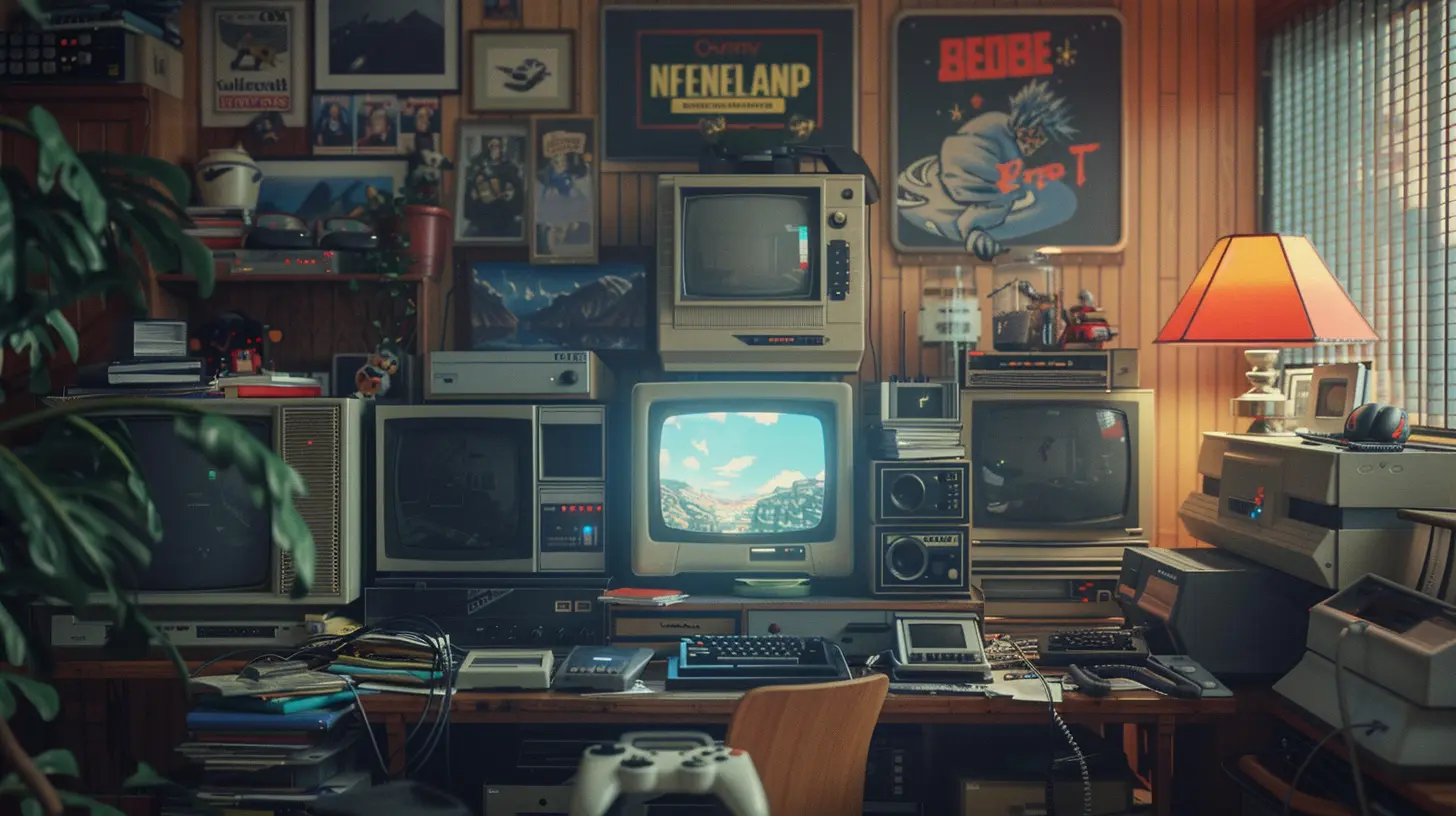
Challenge #2: The Graphics Glow-Up
Let’s talk pixels and polygons.Old-school graphics charm? Yep, it’s totally a thing. But modern players are used to 4K resolution, buttery-smooth animations, and environments so detailed you can see individual raindrops on a plastic cup.
So updating visuals is a must… but it’s not as simple as just boosting the resolution and calling it a day.
Here’s why:
- Art style changes are risky – Shift too far from the original look, and fans might feel you lost the soul of the game.- Character redesigns can backfire – People get really attached to how characters looked. Even minor tweaks can spark outrage.
- Atmosphere might suffer – Some remakes look technically better but totally misfire in vibe.
Remember when they remade Silent Hill and it looked clean instead of creepy? Yeah… not ideal.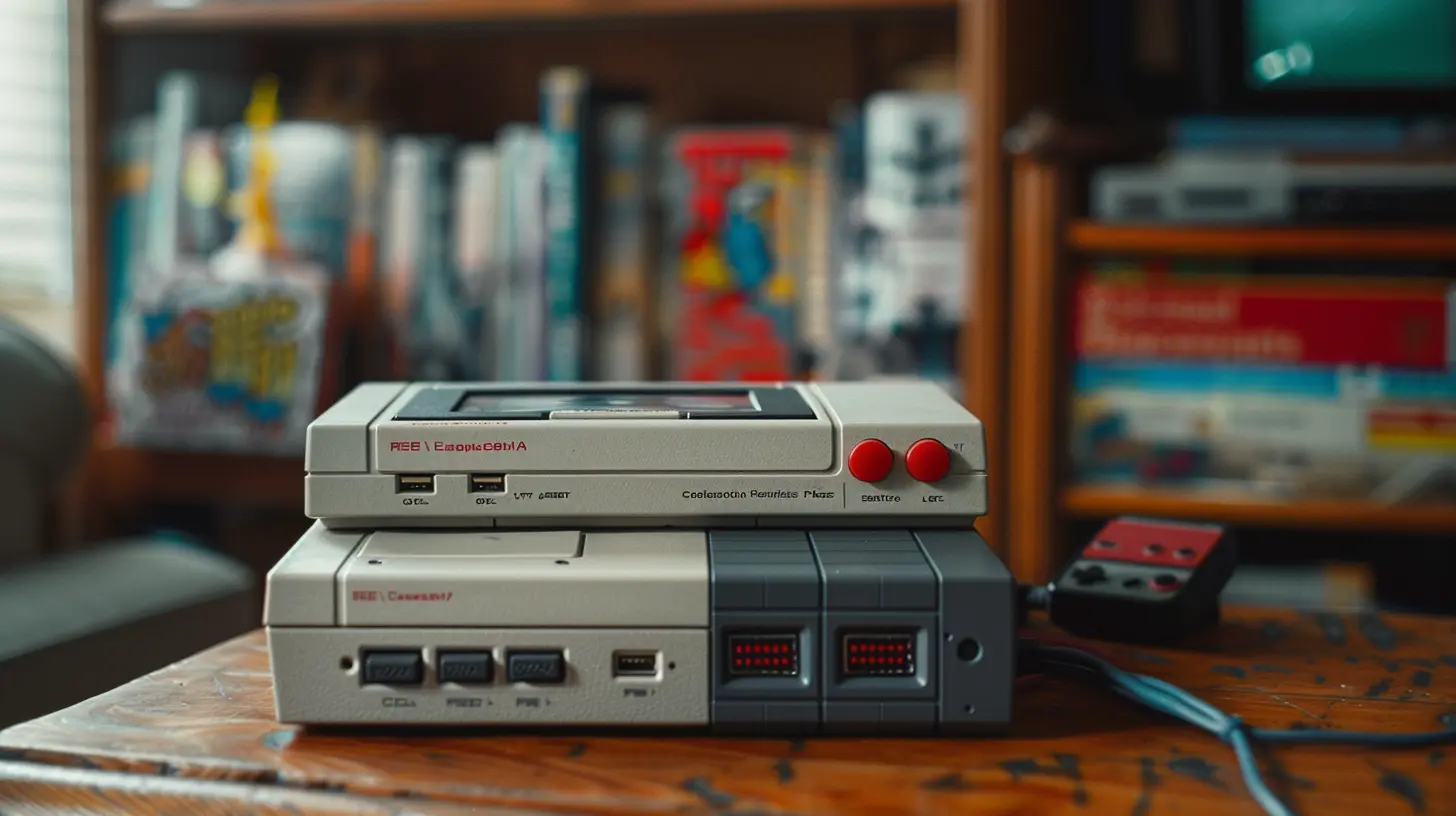
Challenge #3: Audio Evolution
Soundtracks and sound effects are key memory triggers. One note of a chiptune melody can transport someone back to their childhood bedroom like a time-traveling DeLorean.So what happens when you redo all that audio?
- Modern orchestration can feel off – Yes, orchestrated music is objectively awesome... but sometimes, the original beeps and boops had more soul.
- Voice acting complexities – Many older games had little or no voiceover. Adding it in? Risky. Bad voice acting can ruin immersion fast.
- Sound mix updates – With surround sound and high-fidelity audio expectations, the whole audio experience needs retooling — and it’s surprisingly easy to mess up.
One wrong music track, and suddenly the boss fight just doesn’t feel epic anymore.
Challenge #4: Gameplay Mechanics - To Fix or Not To Fix?
This is the elephant in the room.Many classic games are legendary in spite of their frustrating gameplay. Back in the day, we didn’t have quest markers, tutorials, or autosave. We just figured it out… and hit “Continue” way too many times.
So should modern remakes fix these issues?
On one hand:
- Quality of life (QoL) updates are usually welcome — things like better save systems or camera controls.On the other:
- There's danger in “over-streamlining” – You might make the game so easy or different that it loses its original challenge and identity.The result? A game that feels too modern and not nostalgic enough. Like buttering toast with a chainsaw — it works, but it’s completely overkill.
Challenge #5: Cultural Sensitivity and Timeliness
Here’s where things get really dicey.Older games often reflect the social norms and humor of their time. But what passed as acceptable back then might raise eyebrows (or worse) today.
Updating classic games gives developers a chance to right those wrongs. But that comes with its own set of complications:
- Fans might accuse devs of “censorship”
- Changing character designs or dialogue can spark controversy
- Balancing inclusivity with staying true to the original is hard
That doesn’t mean this stuff shouldn’t be addressed — heck no. But it does mean tread carefully, because one misstep and the internet is ready with pitchforks and memes.
Challenge #6: Rewriting the Code of the Ancients
You ever try to open an old computer file only to realize it’s in a totally unknown format?Welcome to the world of ancient game code.
Some classic games were coded in now-dead languages, or their source code has been lost to time like Atlantis. This makes remaking or remastering a logistical nightmare:
- Devs might have to reverse-engineer the entire game
- Original bugs get baked into remakes (hello, nostalgia?)
- Modern tools don’t always play nice with vintage code
In some cases, it’s actually easier to rebuild the game from scratch rather than trying to tweak the old version. Talk about starting from level one.
Challenge #7: Fan Expectations vs. Developer Realities
Let’s just say it: Gamers are passionate.That’s part of what makes the gaming community so special. But it also means that fans come into remakes with sky-high expectations.
They want:
- The exact same game they remember
- Plus better graphics
- Plus better sound
- Plus new content
- But no changes, ever
See the problem?
Meanwhile, developers are dealing with budget constraints, timelines, and different hardware platforms. It’s not that they don’t care — it’s just that not every update can be the gaming world’s equivalent of a Michelin-starred meal.
Challenge #8: Monetization Missteps
Ah yes, the topic no one likes to talk about… but we have to.Remakes and remasters are often seen as easy cash grabs — especially when publishers cram them with microtransactions, deluxe editions, or unnecessary DLC.
And let’s not even start on full-priced remasters with barely any updates.
If fans smell even a whiff of greed, the goodwill fades fast — and even a beautiful remake can get buried under a mountain of backlash.
Lesson here? Respect your player base. Gamers have long memories and louder voices.
So… Why Bother Updating Classic Games?
After all this, you might be thinking: “Why even go through all this chaos?”Because when it’s done right? It’s magic.
A great remake or remaster can:
- Reignite love for an old franchise
- Welcome a new generation of players
- Fix old problems without losing that retro spark
- Become a benchmark for how remakes should be done
Look at games like the Resident Evil 2 Remake or Final Fantasy VII Remake. They didn’t just remaster — they reimagined, respected, and revitalized. That’s the sweet spot.
Final Thoughts: A Tricky Balancing Act
Updating classic games is like restoring vintage cars. You want to keep the original vibe, but you also want modern speed, safety, and comfort. It’s not for the faint of heart — it takes passion, precision, and a deep understanding of what made the original shine.So the next time your favorite retro game gets a makeover, be patient. Behind the scenes, developers are trying to thread a pixel-perfect needle. And if they pull it off? You’ll get to experience that old-school magic all over again — this time in HD.
Now if only someone could remaster your high school awkward moments with better graphics and no cringe dialogue, right?
all images in this post were generated using AI tools
Category:
Remastered GamesAuthor:

Brianna Reyes
Discussion
rate this article
1 comments
Alexia Jordan
Updating classic games presents unique challenges, as developers must balance nostalgia with modern expectations. Changes can alienate dedicated fans while attracting new players. Striking this balance requires a deep understanding of the original's essence and careful implementation of enhancements that preserve the spirit without compromising the experience.
June 14, 2026 at 2:42 AM
Brianna Reyes
You make a great point. Balancing nostalgia with modern expectations is tricky. Developers really need to honor the original while making it accessible and enjoyable for new players. It's a delicate art.