The Evolution of Esports Team Tactics in Competitive Gaming
2 January 2026
Over the past few decades, the world of competitive gaming—or esports—has skyrocketed from being a niche hobby to a global phenomenon. From packed arenas to jaw-dropping prize pools and millions of fans tuning in online, esports has firmly planted itself in the entertainment industry. But what makes esports so thrilling isn’t just the flashy graphics or heart-pounding gameplay—it’s the strategic brilliance that takes center stage.
At the core of this evolution lies one key factor: team tactics. Like a well-orchestrated symphony or a carefully planned chess match, esports team tactics have come a long way, transforming beyond simple execution into an art form. Today, we’re diving deep into how these tactics evolved over the years, shaping the competitive gaming landscape.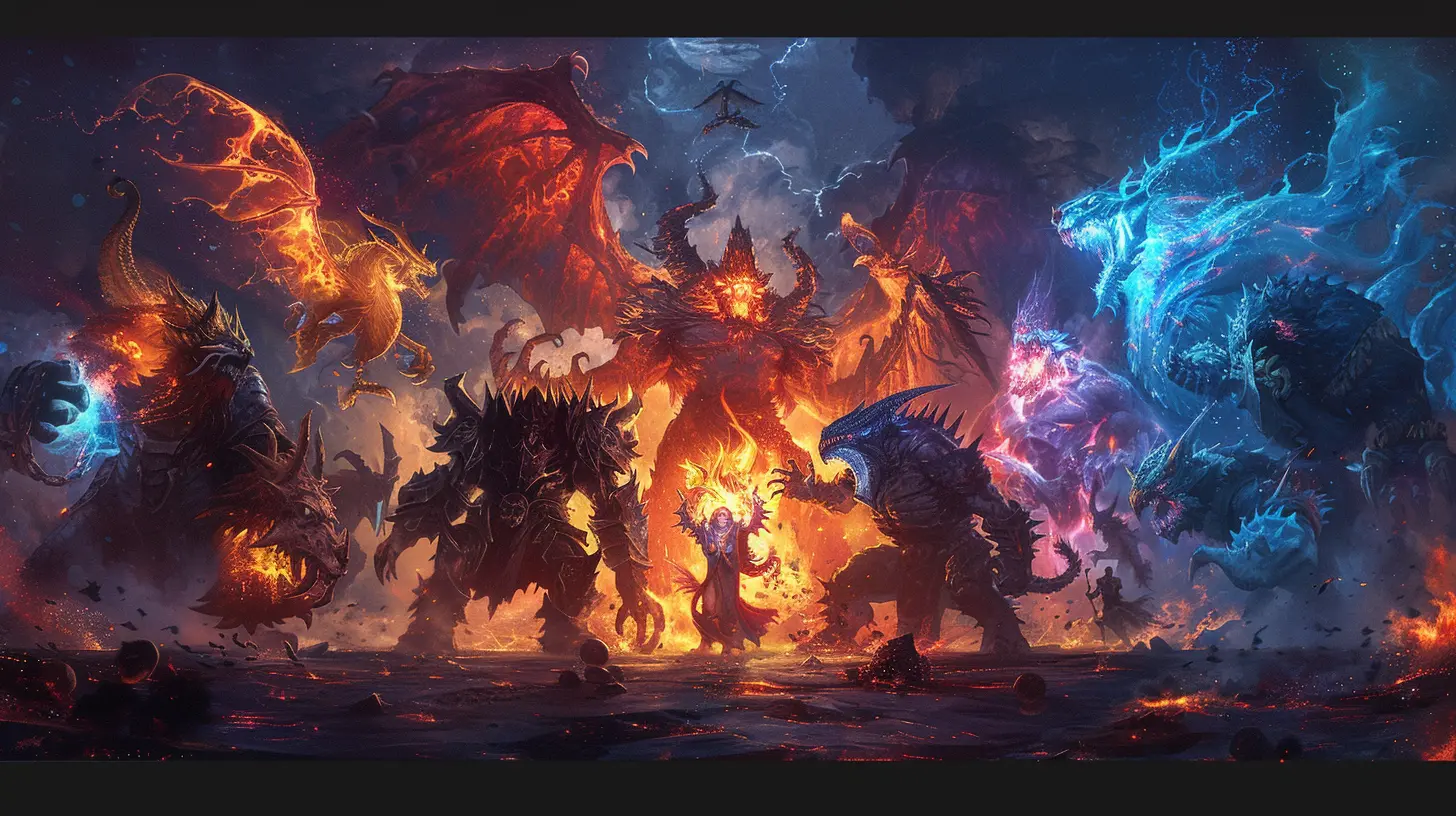
The Humble Beginnings of Esports Team Tactics
Let’s rewind a little. Back in the late ’90s and early 2000s, competitive gaming was still finding its feet. Early esports competitions like Quake, StarCraft, and Counter-Strike were often seen as casual events by outsiders. Back then, team tactics were pretty rudimentary compared to what we see today. Players relied mostly on individual skills, quick reflexes, and a “wing it” mentality.Think of it like a pickup basketball game—there wasn’t always a clear plan, but people made things work through sheer talent. Communication was minimal, often limited to yelling across LAN setups or simple voice chats. The idea of forming intricate strategies or analyzing opponents was still in its infancy.
But even in those early days, seeds were being planted. Teams began to notice that raw talent alone wasn’t enough. To beat the best, they needed something more. They needed to think not just as individuals, but as cohesive units.
The Rise of Organized Teamplay
As esports grew, so did the need for structure. Titles like Counter-Strike 1.6 and Warcraft III pushed players to work more as teams. Suddenly, a coordinated strategy could outperform raw talent.In Counter-Strike, for example, tactics like the "Rush B" or "Mid Control" became staples. Teams started using flashbangs, smokes, and grenades not just as tools but as part of wider strategies. Timing became everything. If one teammate was even a second off, the entire plan could crumble.
This era also saw the rise of team captains or in-game leaders (IGLs). These players weren’t necessarily the ones with the highest kill counts but had a knack for reading the game, making calls, and keeping everyone on the same page. It was a game-changer—literally.
It’s like a well-oiled machine: every part has to work together for the whole to function. Teams started practicing specific plays, reviewing match footage, and studying their opponents like detectives piecing together a mystery. Esports was no longer just about playing “for fun.” It was becoming a science.
The Digital Revolution and Tactical Advancements
Fast forward to the 2010s, and esports entered its golden age. With the rise of League of Legends, Dota 2, and CS:GO, the gaming industry witnessed a massive surge in viewership, sponsorships, and players. And this growth didn’t just lead to larger prize pools—it fueled tactical innovation like never before.Why? Because as stakes got higher, teams couldn’t afford to stick to old habits. Everyone was looking for an edge—some way to outsmart their competition. The result? Esports became a battleground of minds, as much as it was a clash of mechanical skill.
In games like League of Legends, team drafts became critical. Picking the right champion compositions and countering your opponent before the match even began was often the difference between victory and defeat. It was like playing poker, where bluffing and predicting your opponent’s next move played a huge role.
Similarly, Dota 2 introduced a complexity of strategies that could blow your mind. From split-pushing to team fight coordination, teams started innovating in ways that left fans in awe. Remember OG’s incredible back-to-back wins at The International? It wasn’t just their skill—it was their ability to adapt and out-think their opponents.
The Role of Coaching and Analytics in Esports
As team tactics evolved, so did the back-end support systems. Enter coaches, analysts, and data scientists. Don’t get me wrong—players are still the stars of the show, but coaches became the secret weapon behind many of esports’ greatest successes.Take, for example, Astralis in CS:GO. Their dominance wasn’t just because of their pinpoint-accurate shooting. They revolutionized the way teams approached training and preparation. With the help of a dedicated support staff, they analyzed their opponents’ behavior, refined their map control strategies, and perfected their utility usage.
Even beyond FPS games, analytics became a cornerstone in games like League of Legends and Overwatch. Teams started analyzing heatmaps, win rates, and even player psychology. Why? Because in esports, the smallest details can make the biggest difference.
It’s kind of like Formula 1 racing. Sure, the driver’s skill is vital, but without a skilled pit crew and cutting-edge car technology, they wouldn’t stand a chance. Esports teams embraced this mindset, realizing that the game isn’t just played on-screen—it’s also won in the preparation phase.
The Influence of Meta on Team Tactics
Ah, the meta. If you’ve spent any time in the world of esports, you’ve probably heard this term thrown around. Short for “most effective tactics available,” the meta is essentially the current trend or strategy that’s considered the strongest at any given time.But here’s the thing: the meta is always changing. Game developers push out updates, patch notes, and balance changes to keep things fresh. This constant evolution forces teams to adapt and come up with new tactics.
For instance, in League of Legends, the bot lane meta has seen shifts from AD Carries to mage champions, and then to bruisers. Teams that adapt to these changes quickly often dominate; those that can’t? They’re left in the dust.
In a way, it’s like surfing. You’ve got to catch the wave at just the right moment. If you mistime it, you’re wiped out. Successful teams don’t just follow the meta—they redefine it.
Modern-Day Esports Tactics: A Blend of Science and Art
We’ve arrived in the present day, and the evolution of team tactics has reached a level we couldn’t have imagined years ago. Nowadays, tactics involve a perfect blend of preparation, execution, and adaptability.Take Valorant for example: a tactical shooter where every agent has unique abilities. Modern teams not only coordinate their utility usage to perfection but also have contingency plans for every possible scenario. They’re like chess grandmasters, thinking several moves ahead.
And let’s not forget the psychological aspect. Teams now focus heavily on mental resilience and focus. It’s not uncommon for esports organizations to hire sports psychologists or mental coaches to help their players stay sharp under pressure. After all, a split-second lapse in focus could mean the difference between victory and defeat.
The Future of Esports Team Tactics
So, where do we go from here? If history has taught us anything, it’s that esports team tactics will continue to evolve. With advancements in technology like AI analysis, virtual reality training, and even biomechanics tracking, the sky’s the limit.We might even see tactics involving deeper synergy between players and AI. Imagine training bots that mimic the playstyles of your rivals or wearable tech that monitors a player’s physical and emotional state during a match.
The future is bright—and it’s going to be a thrilling ride for players and fans alike.
Closing Thoughts
The evolution of esports team tactics is a testament to how far competitive gaming has come. What started as casual, talent-focused matches has blossomed into a highly strategic and meticulously planned battlefield. Teams today don’t just play—they think, innovate, and adapt.And the best part? The story is far from over. Esports is still growing, and with it, the tactics we see on screen will only get more creative and mind-blowing. Whether you’re an aspiring player or just a fan, there’s never been a better time to appreciate the beauty of this ever-evolving scene.
all images in this post were generated using AI tools
Category:
Esports TeamsAuthor:

Brianna Reyes
Discussion
rate this article
2 comments
Yvonne McLaurin
Strategy evolves, passion drives victory!
January 17, 2026 at 4:45 PM
Brianna Reyes
Absolutely! Passion fuels the drive to innovate, shaping the tactics that define success in esports.
Malia McGowan
Esports tactics have evolved faster than my last relationship—goodbye outdated strategies, hello mind games! If teams aren’t adapting, they’re already yesterday’s news. Keep up or get left behind; it's a digital jungle out there, and only the clever thrive!
January 9, 2026 at 4:15 AM
Brianna Reyes
Absolutely! The rapid evolution of esports tactics mirrors the fast-paced nature of relationships—adaptation is key. Teams that innovate will thrive, while those stuck in the past risk becoming obsolete. It's a thrilling digital battleground!