The Cultural Impact of Electronic Arts' Sports Games
25 December 2025
Electronic Arts, or EA as most of us know it, isn’t just a gaming company—it’s a cultural juggernaut, especially in the world of sports video games. Whether you're a hardcore gamer or someone who just picks up a controller once in a blue moon, chances are you've seen or heard about EA Sports. Their slogan—“It’s in the game”—is pretty much etched into every '90s and 2000s kid’s memory. But have you ever stopped to think about just how much of an impact EA's sports games have made outside the virtual world?
Let’s dive deep into how EA’s sports titles like Madden NFL, FIFA (now EA Sports FC), and NBA Live have shaped not only how we play games but how we watch, talk about, and even understand sports today.
From Couch to Culture: EA Sports' Massive Reach
When EA introduced its first sports titles, the gaming industry was still figuring itself out. Back in the early '90s, pixelated athletes ran across clunky 16-bit fields, and gamers were just happy not to get a game over every five minutes. But EA saw something bigger—a chance to turn digital sports into something that felt real, something immersive.Fast forward to today, and EA’s sports franchises are multi-billion-dollar empires. They’re not just games anymore—they’re full-blown entertainment experiences. Madden and FIFA aren’t just about controlling a player; they’re about living the sport. You manage teams, make career choices, sign contracts, and even deal with social media drama in-game. It’s like reality TV for sports fans, with you as the star.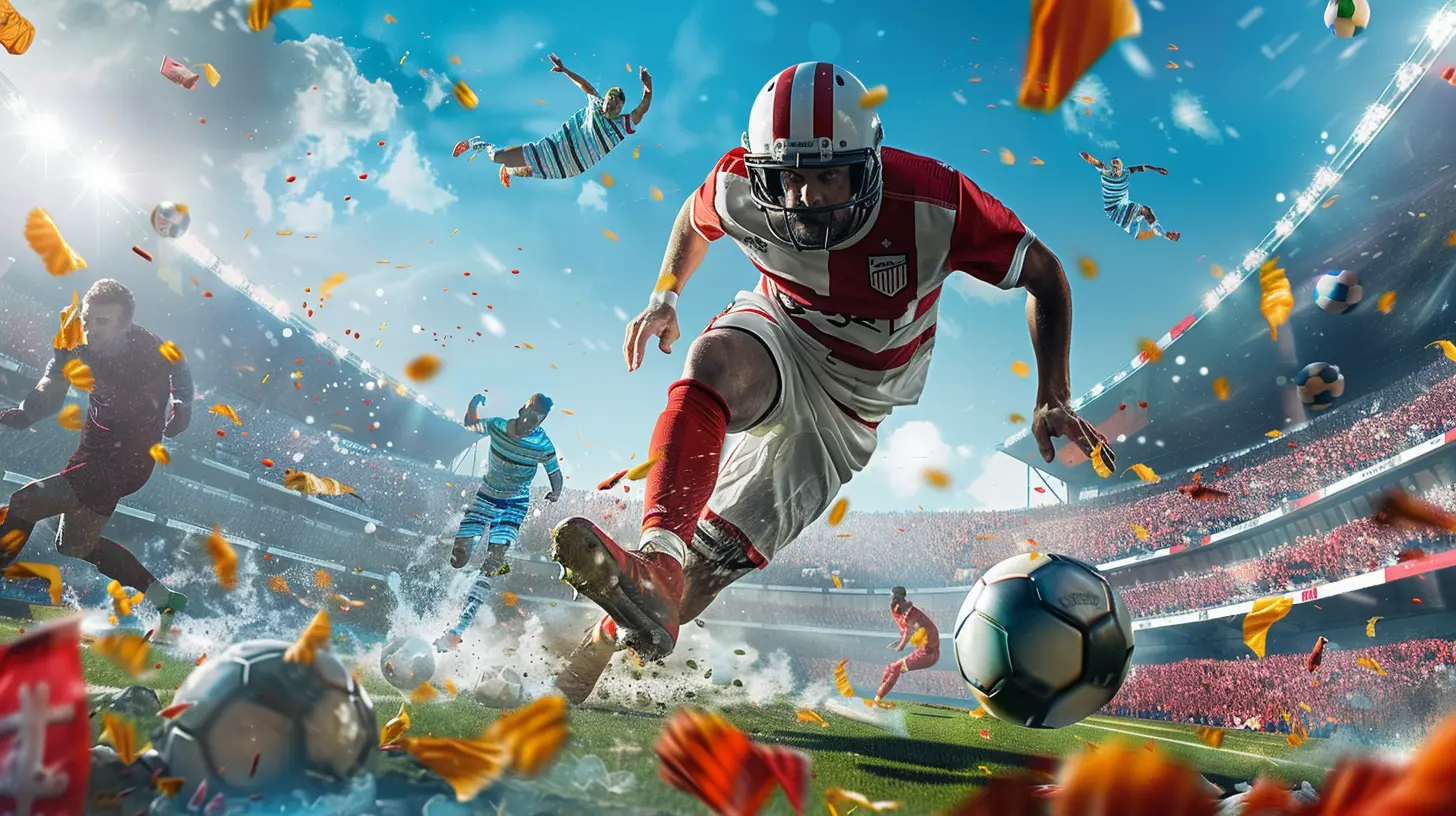
Normalizing Global Sports Culture
One of the biggest cultural blasts EA Sports delivered was making unfamiliar sports feel familiar. Think about it—how many Americans actually followed global football (a.k.a. soccer) before playing FIFA? Probably not that many. Now? You’ll find teens in Ohio stanning Liverpool or Real Madrid with the same intensity they'd have for the NFL.Thanks to FIFA, entire generations of gamers now know about UEFA Champions League, La Liga, Bundesliga, and even second-tier leagues. You don’t just learn the game—you learn the players, the tactics, the chants.
It’s like getting a crash course in global sports diplomacy without ever leaving your bedroom.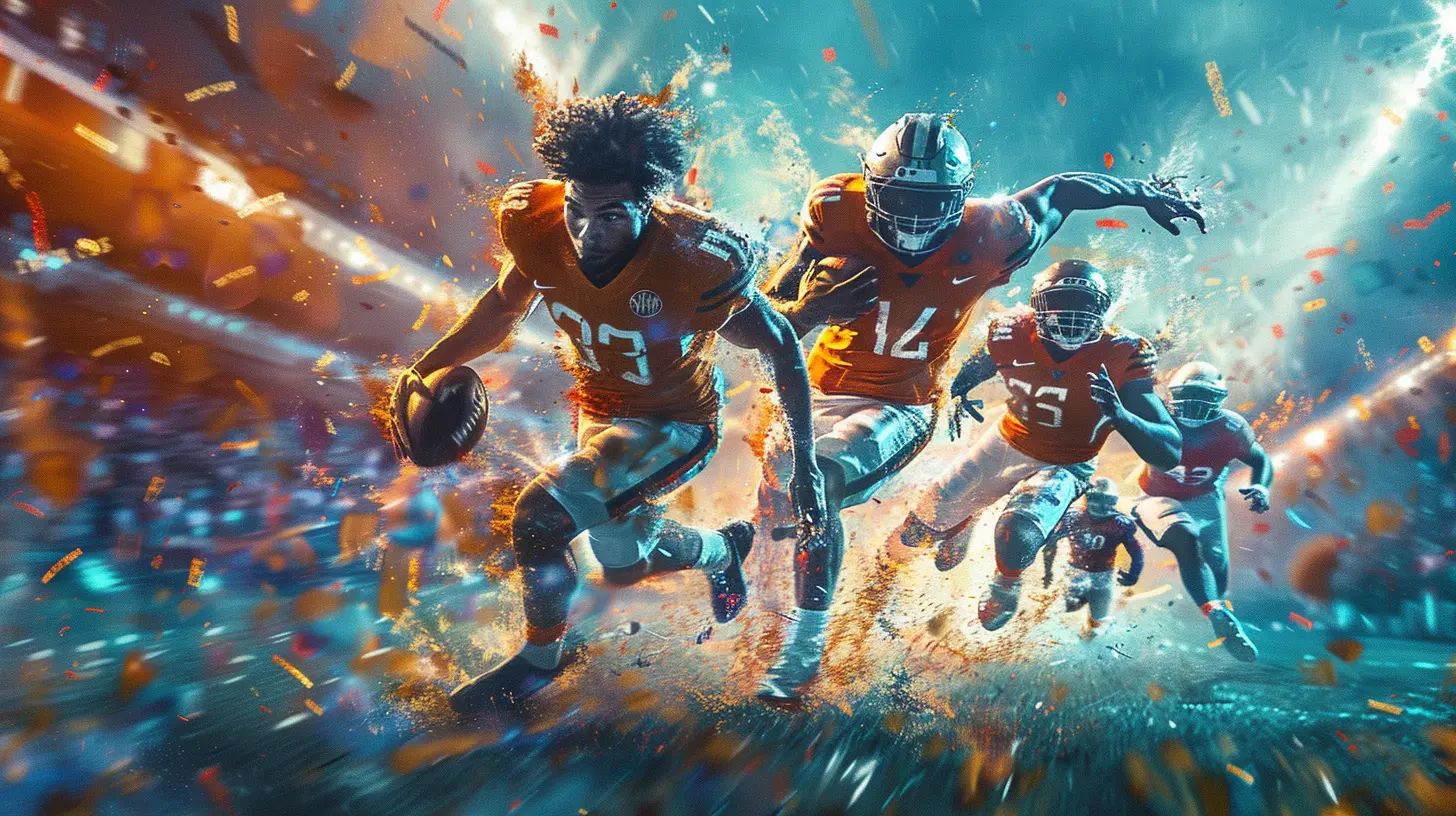
EA Sports and the Mainstreaming of Esports
Remember when your parents used to say video games were a waste of time? Joke’s on them, right?EA Sports games helped pave the road for esports to become a legitimate career path. FIFA tournaments, Madden Bowls, and NBA Live competitions have gone global, attracting players from all walks of life. Millions tune in to watch digital matches, and the best players become celebrities in their own right. It’s no longer “just a game.” It’s a stadium-sized event with cheering fans, sponsorships, and jaw-dropping prize money.
But here's what's more interesting—these esports events don't just stick to gaming circles. They’re covered on ESPN, featured on social media, and even impact betting markets. EA helped take sports gaming from a niche hobby to a multi-billion dollar spectacle.
Bridging Real Life with Digital Realism
EA didn't just create games—they created simulations. The detail in these titles is jaw-dropping. From the sweat dripping off LeBron’s brow in NBA Live to the iconic chants in FIFA stadiums, the realism is the secret sauce.What’s the cultural payoff here? People start to consume real sports differently. You might hear someone say, “That player is a beast in FIFA,” before they’ve even watched him play in a real match. Or someone picking their fantasy football lineup based on their Madden franchise experience.
It creates a fascinating loop where real life feeds the game, and the game feeds real life.
Representation and Identity in EA’s Sports Worlds
Here’s where things get really interesting. EA Sports games have become an unlikely platform for representation and cultural identity. When you create your own avatar in FIFA or NBA Live, you’re not just picking stats—you’re crafting a digital version of yourself. And for many players, especially those from underrepresented communities, that means a lot.Over the years, EA has made strides in offering diverse character models, languages, commentary styles, and even storylines that reflect a wide array of experiences. Remember “The Journey” story mode in FIFA? That narrative about Alex Hunter, a mixed-race teenager from London navigating the pressures of professional football? That wasn’t just a game mode—it was storytelling that resonated deeply with players who saw a bit of their own lives in Hunter's journey.
It’s a gentle but important nudge toward inclusivity in gaming, and EA deserves credit for that.
Music, Style, and Vibes: EA’s Role in Pop Culture
Let’s talk about soundtracks for a hot second. EA’s games are famous for dropping absolute bangers in their soundtracks. FIFA soundtracks, in particular, have launched careers. Seriously, artists like John Newman, CHVRCHES, and even Imagine Dragons got major boosts thanks to appearing in the FIFA lineup.That’s a big deal. EA basically acts as a music tastemaker for millions of players around the world. Think of it like your super-cool friend who always knows the best underground music—except this friend lives in your console.
Beyond music, the fashion and culture of sports have been mirrored in these games. From the kits and shoes to the celebrations and tattoos, EA has turned these aesthetics into things players want to copy in real life.
The Madden Curse and Legends That Live Forever
Okay, this one's for the myth-lovers out there. Ever heard of the “Madden Curse”? It’s a long-standing gamer superstition that athletes who grace the cover of Madden end up having a terrible season or suffer an injury. Whether it’s real or just a coincidence, it shows how seriously fans take these games—they’ve become part of sports mythology.And don’t get us started on the all-time rosters. These games let you play as legends like Pele, Michael Vick, Wayne Gretzky, or Kobe Bryant, depending on the title. It’s like a time machine where past and present collide every time you boot up the system.
Challenges and Criticism: The Other Side of the Coin
Now, let’s keep it real. EA hasn’t always been the golden child. The company has faced backlash—lots of it. From microtransactions and pay-to-win mechanics in Ultimate Team modes to minimal year-to-year game updates, some fans feel like EA’s become more profit-focused than player-focused.There’s also been criticism regarding representation, with some communities still feeling underrepresented or stereotyped. Others call out bugs, glitches, and lack of innovation.
But even with all that, people still come back. Why? Because the cultural pull is just that strong. It’s like your favorite fast-food spot—you know it’s not perfect, but it hits the spot every single time.
The Future: Where Does EA Go From Here?
AI-driven gameplay, VR integration, deeper esports ecosystems—EA’s only scratching the surface of what’s possible. Imagine putting on a VR headset and actually being on the pitch with your virtual squad. Or having your real-life fitness data influence your in-game athlete’s performance. It’s not as sci-fi as it sounds. These are real discussions happening behind closed doors at EA HQ.And as EA starts rebranding FIFA into its new “EA Sports FC” identity, they’ve got a chance to reinvent themselves and reconnect with players who’ve felt a bit left behind.
In Conclusion: More Than Just a Game
EA's sports games are more than digital pastimes. They’re cultural artifacts. They’re conversation starters. They’re virtual temples where sports, music, identity, and art collide. If anything, they've taught us that fandom doesn’t just belong in stadiums—it lives in our homes, on our screens, and in our hearts.Whether you're a die-hard fan or just someone who dabbles every now and then, you’ve felt that impact. And with gaming becoming even more central to our lives, EA's influence isn’t going anywhere—it’s only getting bigger.
So the next time you hear “EA Sports—it’s in the game,” remember: it’s also in the culture.
all images in this post were generated using AI tools
Category:
Gaming HistoryAuthor:

Brianna Reyes
Discussion
rate this article
2 comments
Kestrel Valentine
Electronic Arts' sports games have reshaped gaming culture, influencing social interactions, fostering community, and promoting inclusivity in sports, making them a vital part of digital entertainment.
January 15, 2026 at 5:09 AM
Brianna Reyes
Thank you for your insightful comment! Indeed, Electronic Arts' sports games have significantly transformed gaming culture by connecting players and promoting inclusivity, highlighting their vital role in the digital entertainment landscape.
Clementine Wilkerson
Great insights! EA Sports games have truly shaped gaming culture, bringing communities together and inspiring countless athletes and fans alike.
January 8, 2026 at 4:42 AM
Brianna Reyes
Thank you! EA Sports has indeed fostered a unique sense of community and inspired many, showcasing the powerful intersection of gaming and real-world sports.