Legal and Licensing Barriers to Cross Play
12 July 2026
Cross-play has become one of the most wanted features in gaming over the past few years. Allowing players on different platforms — think PlayStation, Xbox, PC, or even Switch — to play together sounds like a dream come true. And to be fair, games like Fortnite, Call of Duty: Warzone, and Rocket League have managed to make that dream a partial reality.
But here’s the deal — cross-play isn’t as simple as flicking a switch. There's a messy underbelly that rarely gets the spotlight: the legal and licensing barriers that stand stubbornly in the way. It’s not just about coding or server infrastructure. In many cases, the hurdles are legal contracts, platform policies, and business interests that don’t always align.
Let’s dive into why it’s not always rainbows and unicorns when we talk about playing across platforms.
Cross-Play: Why Everyone Wants It
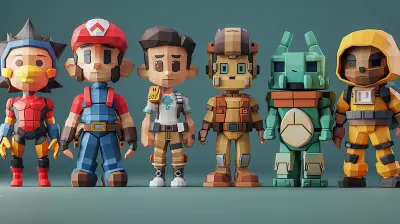
Before we get into the legal weeds, let's take a second to understand why cross-play is such a big deal.Imagine this: You’ve got a PS5, your best friend is chilling on an Xbox Series X, and your cousin’s still rocking an old PC. In a cross-play world, you're all adventuring together in the same digital universe, no matter the hardware. It means bigger communities, faster matchmaking, and, overall, a better gaming experience.
Plus, it’s great for longevity. Games with cross-play support tend to stay alive longer because their player base isn't fragmented. But enabling cross-play isn't just a technical hurdle — it's a legal and licensing labyrinth.
The Hidden Roadblocks: It’s Not Just About Tech
So what’s actually standing in the way? Spoiler alert: It’s mostly lawyers, licenses, and policies.Let’s break it down.
1. Platform Policies and Walled Gardens
Think of companies like Sony, Microsoft, and Nintendo as castles, each with their own towering walls. They guard their player base jealously — and for good reason. These big brands have invested heavily in building loyal communities. Opening up their systems to competitors? It’s a risky business.For many years, Sony was particularly infamous for blocking cross-play. Why? Because if PlayStation players can hop into a game with their Xbox buddies, there’s less of a reason to choose one platform over the other. From a business standpoint, Sony — or any platform, for that matter — doesn’t want to lose its competitive edge.
Even though we've seen progress (remember when Fortnite finally got full cross-play?), it often takes industry pressure and fan outrage to push these companies toward openness. Without legal obligations to allow cross-play, these companies can simply say “no” — and that’s that.
2. Licensing Agreements Are a Tangled Web
Ever heard the phrase “it’s complicated”? That’s licensing in a nutshell.When a game is published on a platform, developers typically sign agreements that outline all the dos and don’ts — including where and how the game can operate. If a developer wants to enable cross-play later, they might need to renegotiate those contracts. And let’s be real — lawyers don’t come cheap, and renegotiations are often messy.
Some platforms may also charge fees or expect revenue-sharing adjustments if cross-play reduces their slice of the pie. That can be a deal-breaker, especially for indie studios or mid-sized developers who don’t have the clout (or cash) to push back.
3. Legal Jurisdictions: Where You Are Matters
Here’s something that doesn’t get talked about enough — international law.Games are global, but laws? Not so much. Different countries have different regulations around data privacy, user agreements, and digital purchases. What’s legal in Europe might not fly in the U.S. or Japan.
When you mix players across platforms from different regions, you have to make sure the game — and the companies behind it — are compliant with all these laws. That adds a whole extra layer of legal gymnastics. It’s no wonder some publishers look at that and say, “You know what? Never mind.”
4. In-Game Purchases and Virtual Economies
Here’s where things get even messier.Let’s say you buy a skin in a game on Xbox. Then you go play on PC or PS5. Who gets the money from that purchase? Xbox? The developer? The platform you’re using now?
Cross-play often brings up the need for cross-progression — the ability to carry your game progress and purchases across platforms. But that means different platforms need to share data, revenue, and ownership. And honestly, that’s like trying to split a birthday cake among kids who don’t want to share.
These economics are tightly regulated through licenses. And again, that means more legal paperwork and more negotiations. Unless these are sorted out in advance, publishers have to wade through a swamp of contractual obligations and potentially face lawsuits if something goes sideways.
5. Anti-Cheat and Security Concerns
Okay, this one isn’t purely legal, but it’s related.Different platforms have different levels of security and anti-cheat tools. PC is notorious for having more cheaters, simply because it’s easier to modify or exploit game files. When you mix platforms, you risk exposing console players to hackers and cheaters they wouldn’t otherwise deal with.
This opens the door to liability and customer complaints. If a game developer enables cross-play and suddenly thousands of PlayStation users are being ruined by PC hackers, Sony’s going to have a problem — and they might even hold the developer legally accountable depending on their contract.
6. Rating Boards and Content Restrictions
Believe it or not, even game ratings can pose a problem.Different countries and platforms have different standards for what’s considered age-appropriate content. If cross-play means someone under 13 on Switch is playing with an adult on a toxic PC server, there may be legal implications.
Some rating boards might require separate evaluations or impose restrictions that make true cross-play difficult or impossible. Again — more paperwork, more legal stress.
What’s Changing? The Slow Shift in Attitudes
Now, it’s not all bad news. The industry is slowly (and we mean s-l-o-w-l-y) moving toward a more open future. Cross-play is more common today than it was even five years ago.Why? Because players are demanding it, and developers are fighting for it. Plus, live-service games need large, sustainable communities — and splitting them across platforms is just bad business in the long run.
Some companies are also embracing more flexible licensing models. For instance, Epic Games has been a vocal supporter of cross-play and even offers tools to help other developers make it happen. That kind of support matters, and it can help break down barriers over time.
What Needs to Happen Next?
To make cross-play truly mainstream, three big things need to change:1. Standardized Licensing Models: If platforms adopted more universal licensing terms, developers wouldn’t have to renegotiate every time they want to support cross-play. Think of it like the gaming version of a “peace treaty.”
2. Regulatory Pressure or Industry Standards: Governments or industry watchdogs could step in and encourage more openness. We’re seeing this kind of push in areas like app store fairness — why not cross-play?
3. Player Advocacy: This might be the most powerful tool of all. When gamers speak up, companies listen. The Fortnite fiasco forced Sony to fold. That says a lot.
So, Can We Expect a Cross-Play Utopia?
Let’s not get ahead of ourselves. While we’re headed in the right direction, the journey is far from over. Legal and licensing barriers are deeply rooted in business models that have existed for decades. And as much as we love to think of game companies as passion-driven, they’re still businesses at heart.The good news? Players have more power than ever. The more we demand fairer systems, transparency, and platform cooperation, the closer we get to tearing down those walls.
Cross-play isn’t a technical issue anymore — it’s a legal puzzle. And like all puzzles, it just takes time, pressure, and a few clever solutions to unlock the full picture.
TL;DR Thoughts
Cross-play is awesome, but legal and licensing issues are the party crashers nobody invited. Between platform policies, licensing messes, international laws, and financial disagreements, it’s like herding cats while juggling flaming swords. That said, the future looks promising — but only if the gaming community keeps pushing for change.So next time you’re wondering why your favorite game isn’t cross-play yet? It’s not laziness. It’s lawyers.
all images in this post were generated using AI tools
Category:
Cross Platform GamingAuthor:

Brianna Reyes