Inside the Creative Process of Reimagining Classic Games
22 May 2026
Let’s be honest—we all love a good nostalgia trip. There's something magical about revisiting the games that defined our childhoods. But what happens when developers decide to take those classic games and bring them back for a new generation? It's not as simple as slapping on a new coat of paint and calling it a day. Reimagining classic games is an art in itself—a delicate dance between preserving the soul of the original and making it feel fresh.
So, what really goes down behind the scenes? How do developers breathe new life into old favorites without losing what made them special in the first place? Buckle up, because we’re diving headfirst into the creative chaos of reimagining classic games, and it's one heck of a journey.
Why Reimagine Instead of Remaster?
Before we dig deeper, let’s clear up one thing: reimagining is not the same as remastering.A remaster is like cleaning up an old photo in Photoshop—sharper visuals, better sound, maybe a few tweaks here and there. A reimagining? That's like re-taking the photo with a brand-new camera, modern lighting, and a whole new vibe while staying true to the pose and emotion of the original. It’s a rebuild from the ground up.
So why reimagine? Well, simply revamping graphics just doesn’t cut it anymore. Today’s players crave better narratives, deeper gameplay, and visuals that can hold up in the era of 4K TVs and ray tracing. Reimaginings allow developers to fix past design flaws, expand on beloved characters, and even rewrite history… slightly.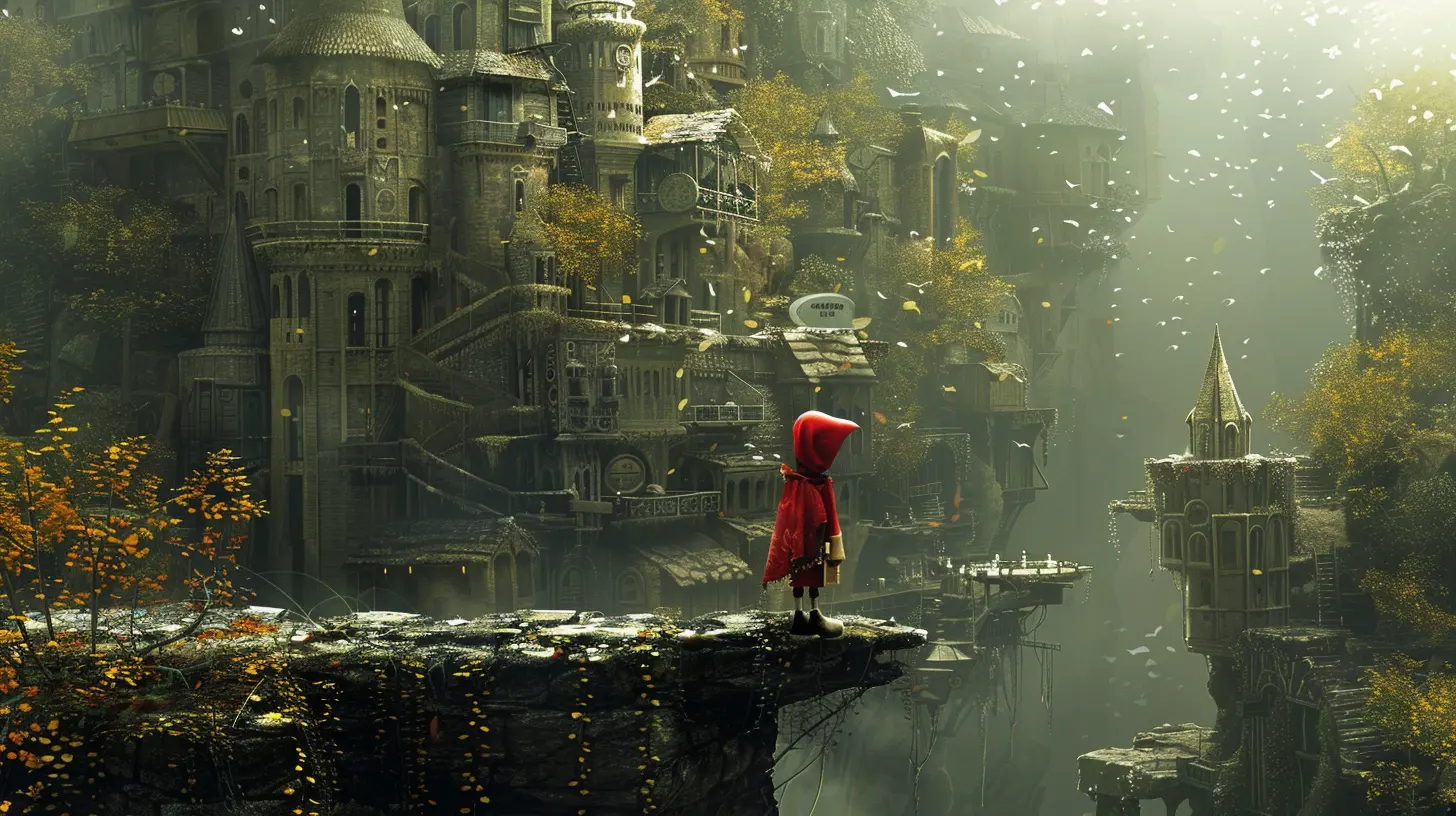
Step One: Choosing the Right Game
Let’s face it—not every game deserves a makeover. Some classics are best left untouched, kept safely in our rose-tinted memories. But then there are those games with killer concepts that were just a little ahead of their time or technologically limited. Those gems? They scream for a reimagining.Developers usually start with fan feedback. What game are people still talking about decades later? Which game worlds are ripe for modern storytelling? If the community is loud enough, devs take notice. But fan demand isn’t the only factor—it’s also about potential. Is there room to build on the original story? Could the gameplay be modernized without losing its charm?
Think of games like Final Fantasy VII Remake or Resident Evil 2. These reimaginings didn’t just update visuals; they told bigger, bolder stories and gave fans something new without ditching what they loved.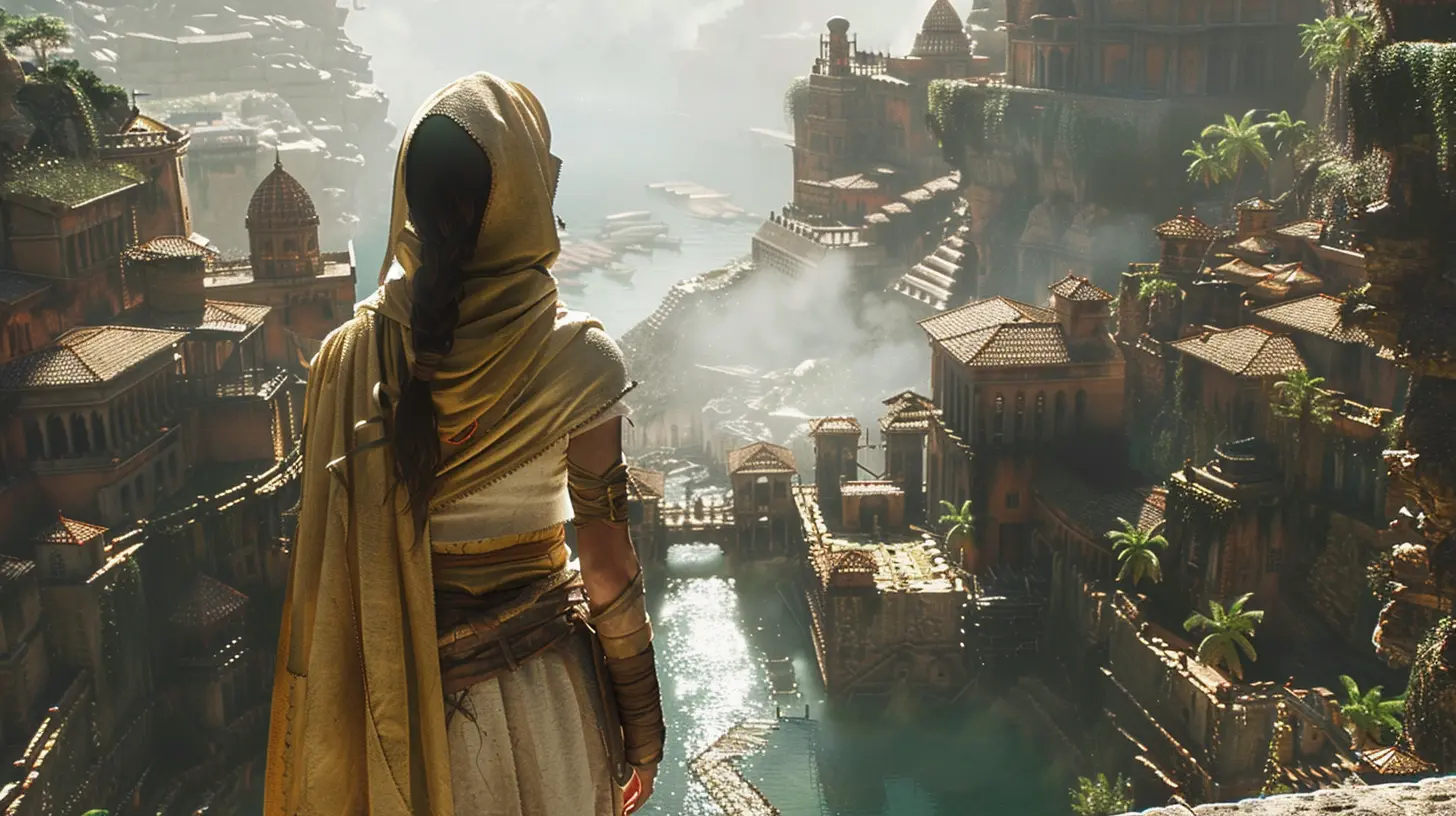
Breathing New Life Into Old Mechanics
Let’s talk gameplay. Updating visuals is one thing, but gameplay? That’s where things can get dicey. What worked 20 years ago might feel clunky today.The challenge? Keeping that “feel” that made the original click while adding mechanics that today’s gamers expect—like smoother controls, better AI, and quality-of-life improvements. It’s like tuning up a vintage car: keep the engine purring like the good old days, but maybe throw in GPS and better handling.
Take the case of the Crash Bandicoot N. Sane Trilogy. The original's platforming was a bit stiff by modern standards. The devs tweaked the hitboxes, remapped controls, and added save-anywhere functionality—all while keeping the levels almost identical.
Fans are usually forgiving if the heart of the game stays intact—even if the controls get a facelift.
Rewriting the Story Without Losing the Essence
Here’s where it gets tricky—the story. For many players, the original game’s story is sacred ground. So, how much can you mess with it before fans come after you with pitchforks? The trick is evolution, not revolution.When developers reimagine a game, they often expand the storyline with side plots, deeper character backgrounds, or alternate perspectives. It’s like watching a movie’s director’s cut—you get more context, more emotion, and sometimes, a surprise twist or two.
A great example? Final Fantasy VII Remake took a linear story and blew it wide open. It gave fans new layers of character development and even flipped expectations in clever ways. It wasn't just a retelling—it was a reexamination.
And guess what? Most fans loved it because it felt like having a conversation with the original—like the game was saying, “Hey, I remember what you liked. But what if we explored this further?”
Art Direction: Balancing Beauty and Nostalgia
Visuals matter. A lot. But visuals also carry emotional weight. Developers need to strike a balance between modern graphics and nostalgic cues—otherwise, players won’t recognize the game they once loved.Reimagined games often keep the original’s color palette, character designs, and environment vibes, but upgrade textures, animations, lighting, and even camera angles. It’s like upgrading from a flip phone to a flagship smartphone—it’s still a phone, but now it’s sleek, fast, and crisp.
A great example of this is The Legend of Zelda: Link’s Awakening for the Nintendo Switch. The original was on the Game Boy, all blocky and monochrome. The remake has a toy-box aesthetic with vivid color and fluid motion but still feels like the same cozy adventure.
The Audio Experience: Music That Hits the Feels
What’s a great game without a killer soundtrack? Music holds power—it triggers memories faster than anything else. That opening theme from your favorite retro RPG? Instant goosebumps.When reimagining a classic, composers and sound designers walk a fine line. They often remix the original tracks, using full orchestras or modern instruments, and add ambient soundscapes to deepen immersion. But the goal? Keep that core tune that fans hum in the shower.
Audio cues—like the sound of picking up a coin or low health beeps—are also vital. Mess with those too much, and you risk alienating players. Keep them intact, and it’s like wrapping them in a warm blanket of nostalgia.
Listening to the Fans (Seriously)
Reimagining a game is not a solo mission. Developers often lean heavily on feedback from forums, community polls, Reddit threads—you name it. In fact, some devs even invite longtime fans into closed test groups to get their two cents before launch.Why? Because fans will absolutely notice if something feels off. And if you’re rebuilding a game for them, you better be sure they’ll love it. By tapping into the community, devs can avoid those design landmines and build hype at the same time.
New Platforms, New Possibilities
Old games lived in the era of wired controllers and CRT TVs. Today, we’ve got VR, cloud gaming, adaptive triggers, and 60+ fps standards. Reimagining a game means leveraging modern tech to elevate the experience.Some reimaginings even go cross-platform, reaching fans on PC, consoles, and handhelds all at once. And with the rise of mobile and cloud gaming, even long-time console exclusives are getting a new lease on life.
So, reimagining isn't just about better graphics or audio—it's about utilizing today's tech to make the original vision bigger and bolder than ever.
The Emotional Payoff: Why It All Matters
Sure, reimagining a game is risky—it’s expensive, time-consuming, and fans can be brutally honest. But when it lands? Oh boy, the emotional payoff is huge.Seeing a beloved game rise from the ashes, shinier and deeper than ever, can feel like catching up with an old friend who’s grown up but still has that same infectious laugh. It’s powerful. And for newer gamers, it’s a gateway into timeless classics that might’ve otherwise been lost to history.
It’s not just about replaying—it’s about reliving, rediscovering, and sometimes… re-loving.
Final Thoughts: Not Just a Remake, But a Reinvention
Reimagining classic games isn’t about cashing in—it’s about honoring legacies and making them relevant for the present (and future). It’s a balancing act filled with tough decisions, creative risks, and a whole lot of love.Next time you boot up a reimagined version of a classic title, take a moment to appreciate the work behind it. The developers didn’t just rebuild a game—they rewrote a love letter to the past, one frame at a time.
And who knows? The next classic to be reimagined might just be your all-time favorite.
all images in this post were generated using AI tools
Category:
Remastered GamesAuthor:

Brianna Reyes
Discussion
rate this article
2 comments
Zylith Rogers
Reimagining classic games is like trying to fit a square peg in a round hole... with pizza on top!
August 12, 2026 at 3:37 PM
Brianna Reyes
I love that analogy! It really captures the challenge and excitement of blending the old with the new.
Drift Dorsey
Reimagining classic games requires a delicate balance between nostalgia and innovation. Developers must honor original elements while introducing fresh ideas that resonate with both old fans and new players.
May 22, 2026 at 4:33 PM
Brianna Reyes
Absolutely, it's all about honoring the past while pushing boundaries. Finding that sweet spot keeps the spirit alive and attracts new players.