How to Raise Kids in a Gaming Household
24 May 2026
Let's face it—video games are more than just a pastime these days. In fact, for many households, gaming is part of everyday life. Whether you're a competitive player grinding through ranked matches or a cozy gamer enjoying relaxing titles with your kids, gaming culture is deeply embedded in family life.
So, what happens when you're a gamer and a parent?
How do you raise kind, balanced, responsible kids when there's a PlayStation humming in the living room and a Switch charging on the nightstand?
Let’s dive into the high score system of parenting in a gaming household, where guardian roles meet game controllers and family time often means teaming up in Mario Kart.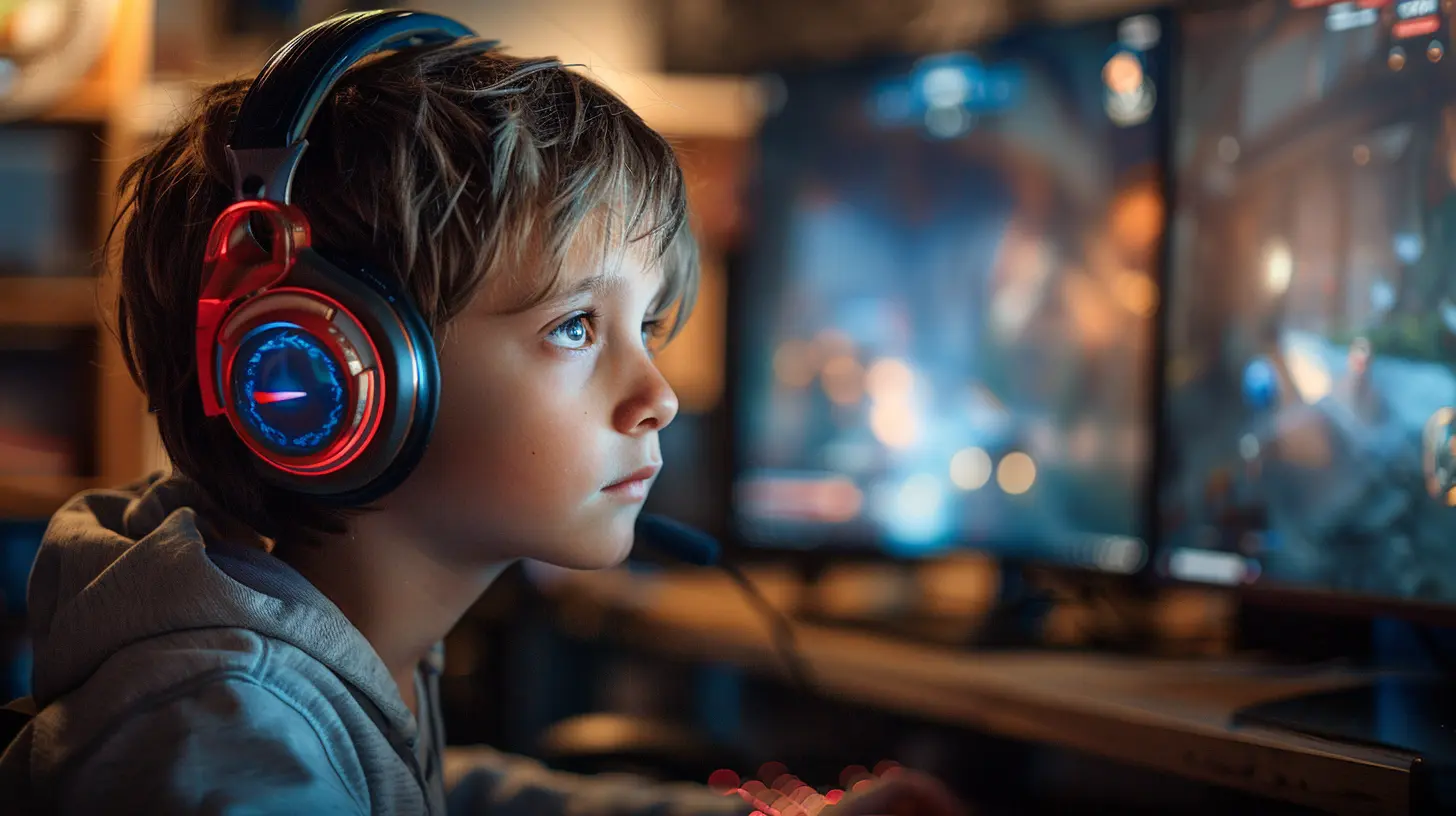
First Things First: Embrace the Game
You can’t guide your kids through a world you don’t understand.So if you’re raising children in a gaming household, your first superpower is empathy. Try stepping into their (virtual) shoes. Play a few of the games your kids love. Whether it's Minecraft, Roblox, Fortnite, or Stardew Valley, dive in and see what the fuss is all about.
Gaming isn’t just “mindless screen time”—it's creativity, problem-solving, teamwork, and sometimes, just good ol’ stress relief. That controller isn’t the enemy—it’s a tool for learning, bonding, and even emotional development.
Quick Tip:
Play with them. You’ll be amazed how much more open kids become when they’re guiding you through their favorite dungeon.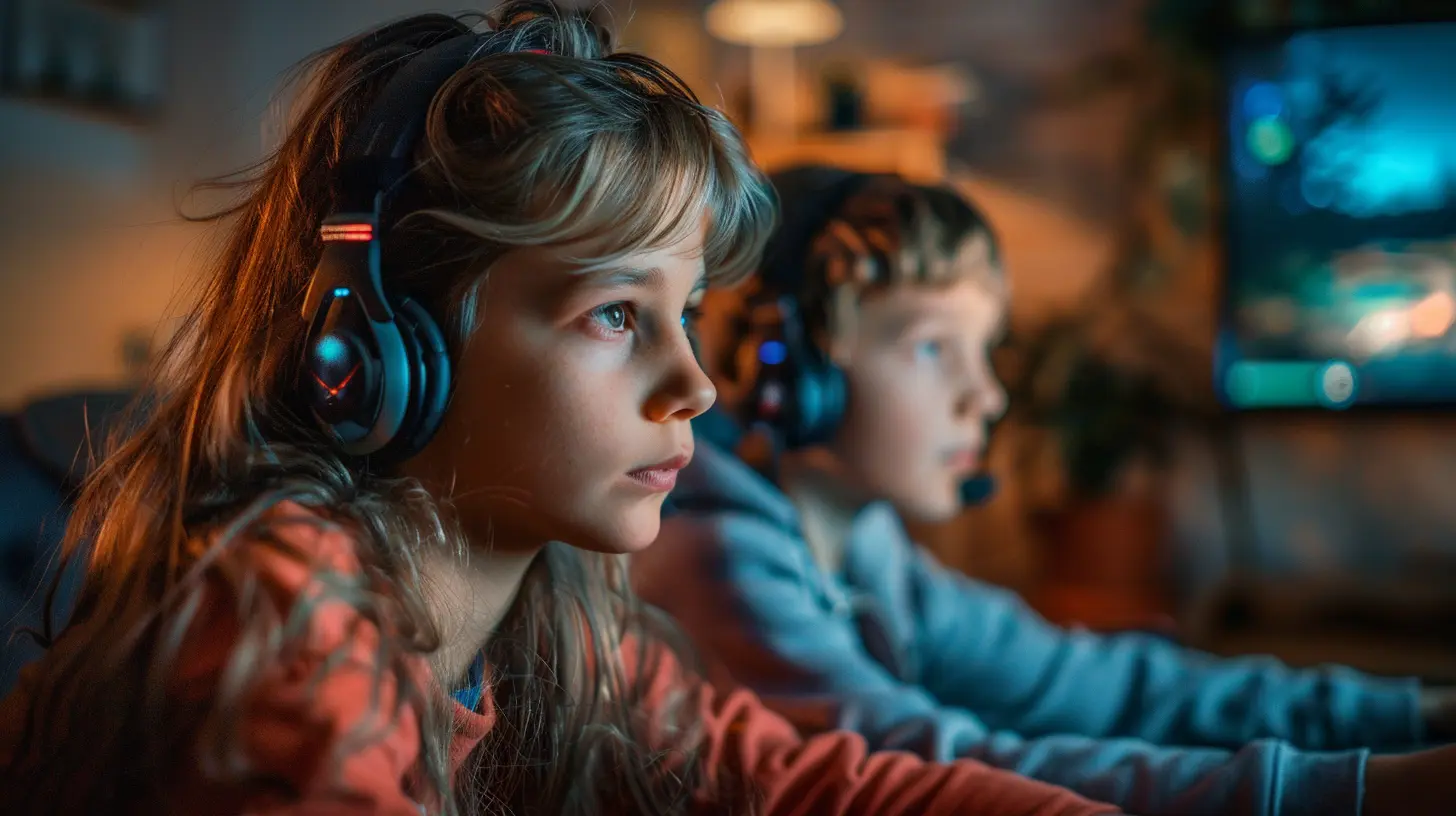
Set Up Clear Gaming Rules (and Stick to Them)
Let’s be real—unlimited screen time rarely ends well. Even as adults, we’ve all lost track of time chasing achievements. (Just one more quest, right?)So, structure matters.
Create a Gaming Schedule:
- Weekday vs. Weekend Rules: Maybe school nights are for homework and reading, while weekends allow longer gaming sessions.- Screen Time Limits: Use timers or apps to help enforce boundaries.
- Priority Tasks First: Gaming comes after chores, homework, and outdoor time.
Age-Appropriate Games:
Not every game is for every age. ESRB ratings are your best friend here. Games marked "M for Mature" might need to wait until your teen can actually handle the themes.Your child may ask, “But all my friends play this!”—and maybe they do. That doesn't mean it's right for your household. Trust your gut.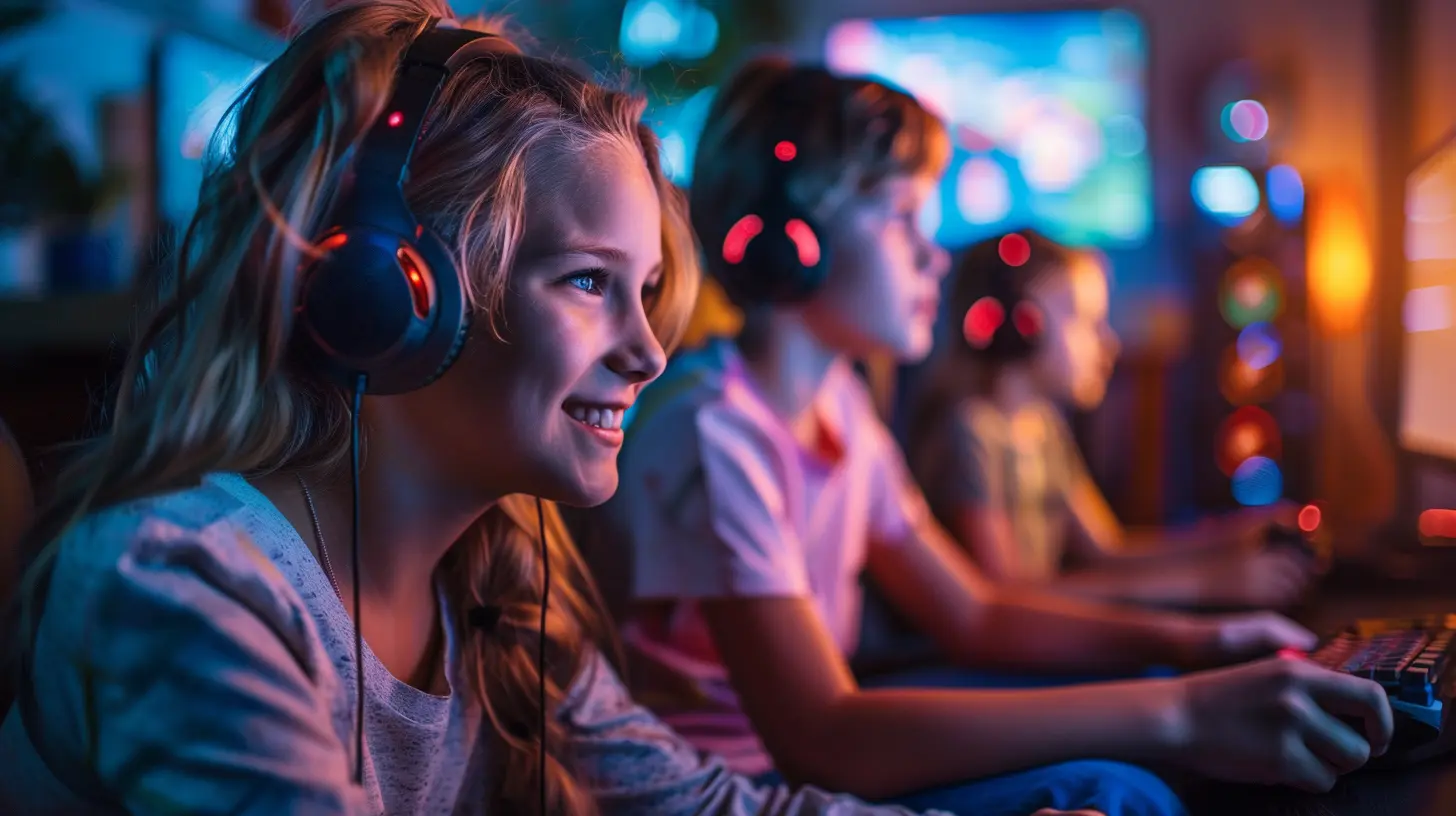
Keep Communication Open
Gaming can be a window into your child’s world—if you’re paying attention. Ask them what games they're playing, what they enjoy about them, and who they're playing with.Instead of saying, “You’ve been gaming too long,” reframe it:
“Hey, I noticed you’ve been on for a while. Wanna take a break and help me cook dinner? We’ll talk about your match.”
Engaging in curiosity rather than criticism builds trust. And trust leads to better discussions about online safety, in-game purchases, and time management.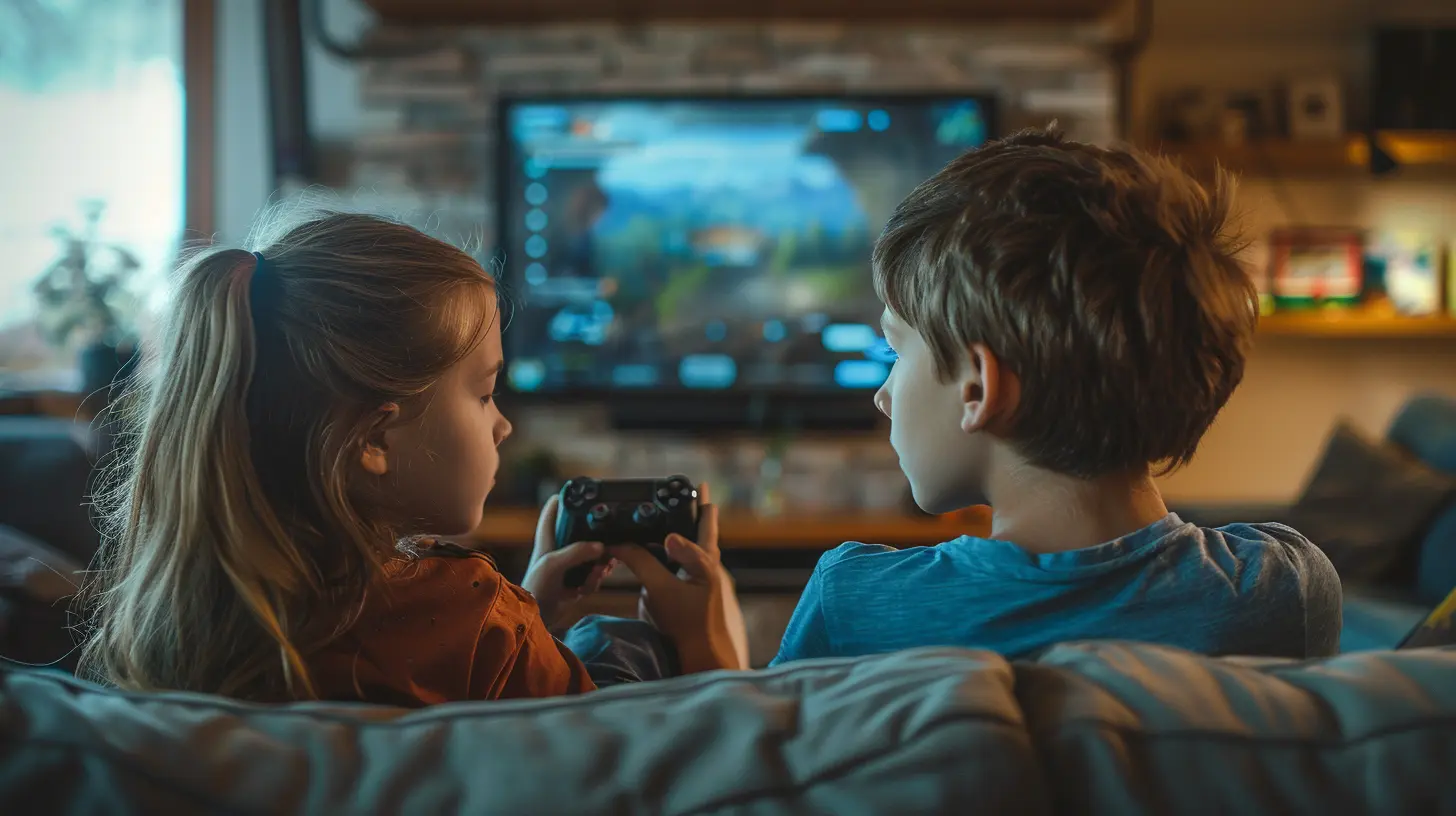
Monitor Online Interactions (Without Hovering)
Online gaming is a social playground. And just like in real life, your kids may meet kind, respectful players—or toxic ones.What You Need to Know:
- Voice chats can get real dicey.- Online multiplayer games often include strangers.
- Not all games have solid moderation.
Tips to Stay in the Loop:
- Use parental controls to limit chat access.- Keep consoles and computers in shared spaces.
- Talk to your kids about online etiquette and red flags.
Remember: You don’t need to read every message or hover over their shoulder. Just letting your child know that you’re present and aware is usually enough to keep things in check.
Encourage a Balanced Gaming Lifestyle
Gaming is great, but so is fresh air. And friendships. And books. And music. And all the amazing things that make childhood magical.The goal isn’t to eliminate gaming—it’s to create balance.
Here's How:
- Set Up Tech-Free Zones: The dinner table is sacred!- Plan Offline Activities: Schedule regular game-free family outings.
- Combine Passions: Does your kid love Roblox? Encourage them to try coding or art to build their own game.
Gaming should complement your child’s growth, not consume it. Think of it like dessert. Tasty and fun? Absolutely. But not the main course.
Make Gaming a Family Affair
One of the coolest parts of raising kids in a gaming household? You get to actually do things together that aren’t just chores.Try These Family Gaming Ideas:
- Co-op Adventures: Titles like Overcooked, Mario Party, or Minecraft are perfect for playing together.- Tournaments and Competitions: Friendly sibling rivalries can energize family nights.
- Game Story Nights: Treat a narrative-heavy game like a TV show. Gather the family and dive into the world of characters and choices.
Gaming together is like building a digital treehouse—it’s a shared space that’s fun, safe, and full of memories.
Discuss the Financial Side of Gaming
Let’s not beat around the loot box—gaming can get pricey. Subscription services, cosmetic skins, battle passes, and DLCs... it adds up fast.Talk to your kids about money as it relates to gaming. Explain the value of what they’re asking for and set expectations around:
- Monthly budgets for digital purchases.
- The difference between wants (like a new Fortnite skin) and needs (like... lunch).
- Saving up for big gaming-related purchases like consoles or gaming chairs.
This is a sneaky but powerful way to teach budgeting and financial responsibility, all through the lens of something they care about.
Keep an Eye on Emotional Responses
Games can trigger big feelings. Frustration. Elation. Rage-quit-inducing defeat. These emotions are real—and they provide learning moments.Watch how your child reacts to wins and losses. Do they throw the controller? Rage at teammates? Storm off in a fury?
Use these moments to teach emotional regulation.
Try this:
“You seem really upset about that match. Want to talk about what went wrong and how you can improve next time?”
Gaming gives your kids a "safe battlefield" to build resilience, patience, and problem-solving. But only if we help them process these emotions.
Encourage Critical Thinking and Creativity
Not all games are created equal. What if you looked beyond entertainment and leaned into educational or creatively stimulating games?Minecraft teaches architecture.
Kerbal Space Program explains orbital physics.
Civilization introduces history and strategic planning.
Even story-driven games can spark deep discussions. Games like Life Is Strange or The Last of Us deal with complex moral decisions. Play these (when age is appropriate) and talk it out.
Gaming isn’t passive—it’s interactive storytelling and sandbox experimentation rolled into one. Encourage your kids to think critically about what they’re playing.
Watch Out for Burnout and Addiction
Yep, gaming burnout is real. Even top streamers take breaks.So it's important to notice the warning signs:
- Constant fatigue
- Dropping grades
- Avoiding friends IRL
- Skipping meals or sleep to game
If your kids start showing signs of gaming overload, it’s time to hit pause.
Set boundaries with kindness, not punishment. Offer fun alternatives. Get involved. Sometimes a simple shift in the game genre or routine can renew that balance.
The Power of Role Modeling
Here’s the hard truth: You can’t expect your kids to game responsibly if you’re pulling all-night raids every weekend and skipping family dinner.Kids watch. Constantly.
So demonstrate healthy gaming habits:
- Take regular breaks.
- Talk about your own screen limits.
- Show interest in their games without burying your face in yours.
Lead by example—you’re Player One in their lives, after all.
Raising the Next-Gen Gamer (and Good Human)
At the end of the day, raising kids in a gaming household isn’t about choosing between screens and sunshine. It’s about balance. It's the art of raising thoughtful, kind, resilient gamers who understand both the joys and pitfalls of the digital world.Gaming can bring your family closer together, teach your kids valuable life lessons, and even launch careers. (Yes, esports and game devs are legit job paths now!)
As long as you’re engaged, supportive, and clear with boundaries, you’re doing just fine.
So pick up that other controller. Jump into their world. Because when it comes to parenting in a gaming household, the best moments are often shared one level, one boss fight, and one victory dance at a time.
all images in this post were generated using AI tools
Category:
Gamer LifestyleAuthor:

Brianna Reyes
Discussion
rate this article
1 comments
Nora Morrow
Raising kids in a gaming household? Balance is key. Encourage creativity and teamwork in games, but don't forget the real world waiting outside.
June 1, 2026 at 2:32 AM
Brianna Reyes
Absolutely, balance is crucial. Gaming can be a great tool for creativity and teamwork, but real-world experiences are just as important. Finding that harmony makes all the difference.