How Sony’s PlayStation Broke Into the Video Game Market
7 February 2026
Sony’s PlayStation is a household name now, but there was a time when it wasn’t even in the gaming conversation. In a world dominated by giants like Nintendo and Sega, Sony was the underdog—a company best known for its TVs and Walkmans. So, how did a consumer electronics company barge into the video game market and completely change the game (pun intended)? Let’s dive into the story of how Sony’s PlayStation not only broke into the market but built an empire.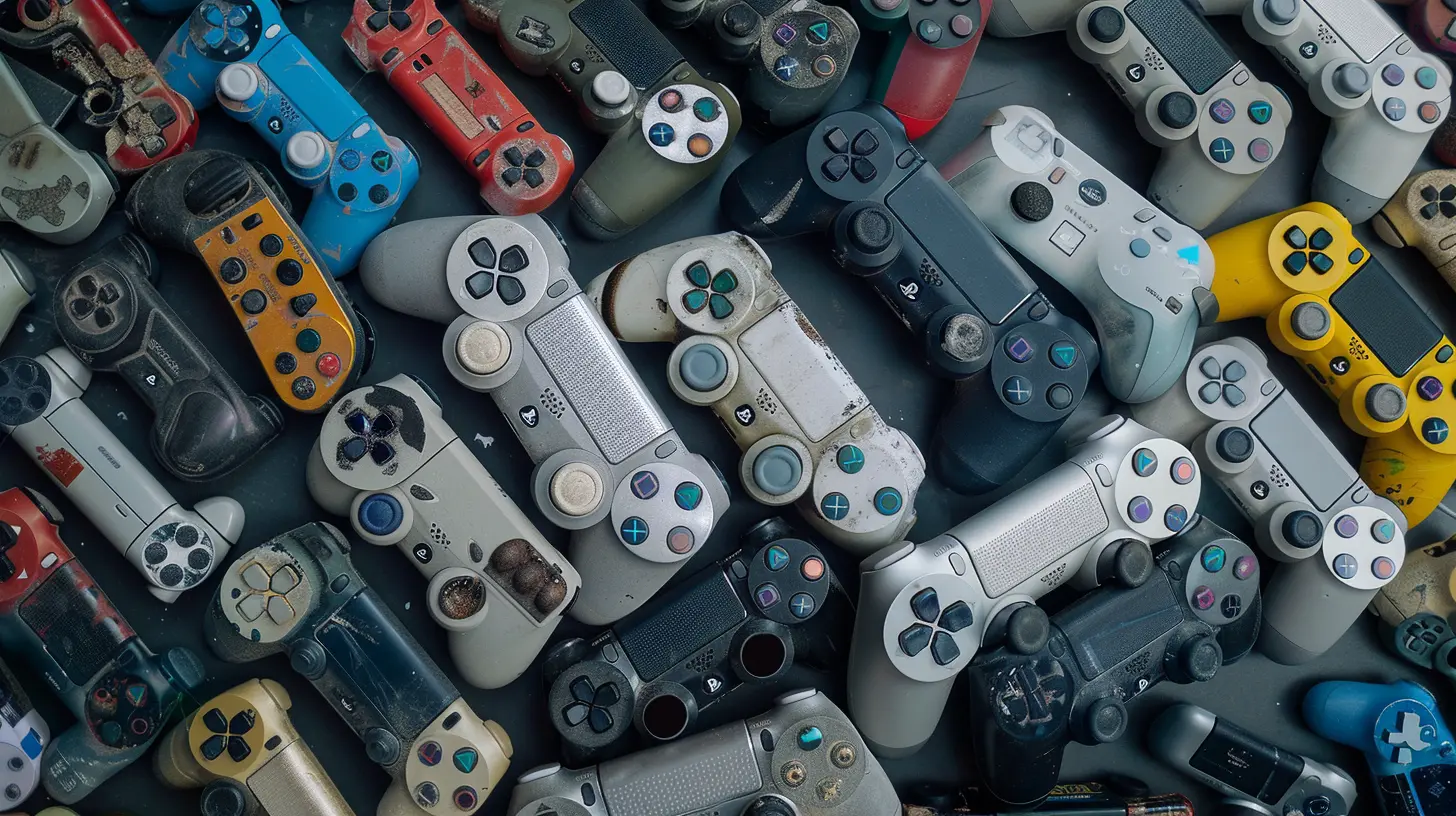
A Humble Beginning: Sony’s Unexpected Entry into Gaming
To understand how Sony got into gaming, we need to go back to the early '90s. At the time, Sony didn’t even want to make a gaming console. Weird, right? The company’s initial involvement in the gaming industry was supposed to be behind the scenes, as a tech partner.Sony was actually working with Nintendo to design a CD-based add-on for the Super Nintendo Entertainment System (SNES). This collaboration was touted as the next big thing—it would combine the cutting-edge CD-ROM technology Sony had with Nintendo’s established gaming ecosystem. But things didn’t exactly pan out.
The Nintendo Betrayal
Here’s the juicy drama: Nintendo and Sony had a pretty solid agreement, but during the 1991 Consumer Electronics Show (CES), Nintendo blindsided Sony. Out of nowhere, Nintendo announced that they were ditching the partnership with Sony and teaming up with Philips instead. Yikes.For Sony, this public betrayal left a bitter taste. Imagine showing up for a group project, ready to present, only for your partner to announce they’ve teamed up with someone else instead. Not cool. At that moment, Sony could’ve washed its hands of the gaming industry altogether. Instead, they decided, "You know what? Let’s make our own console."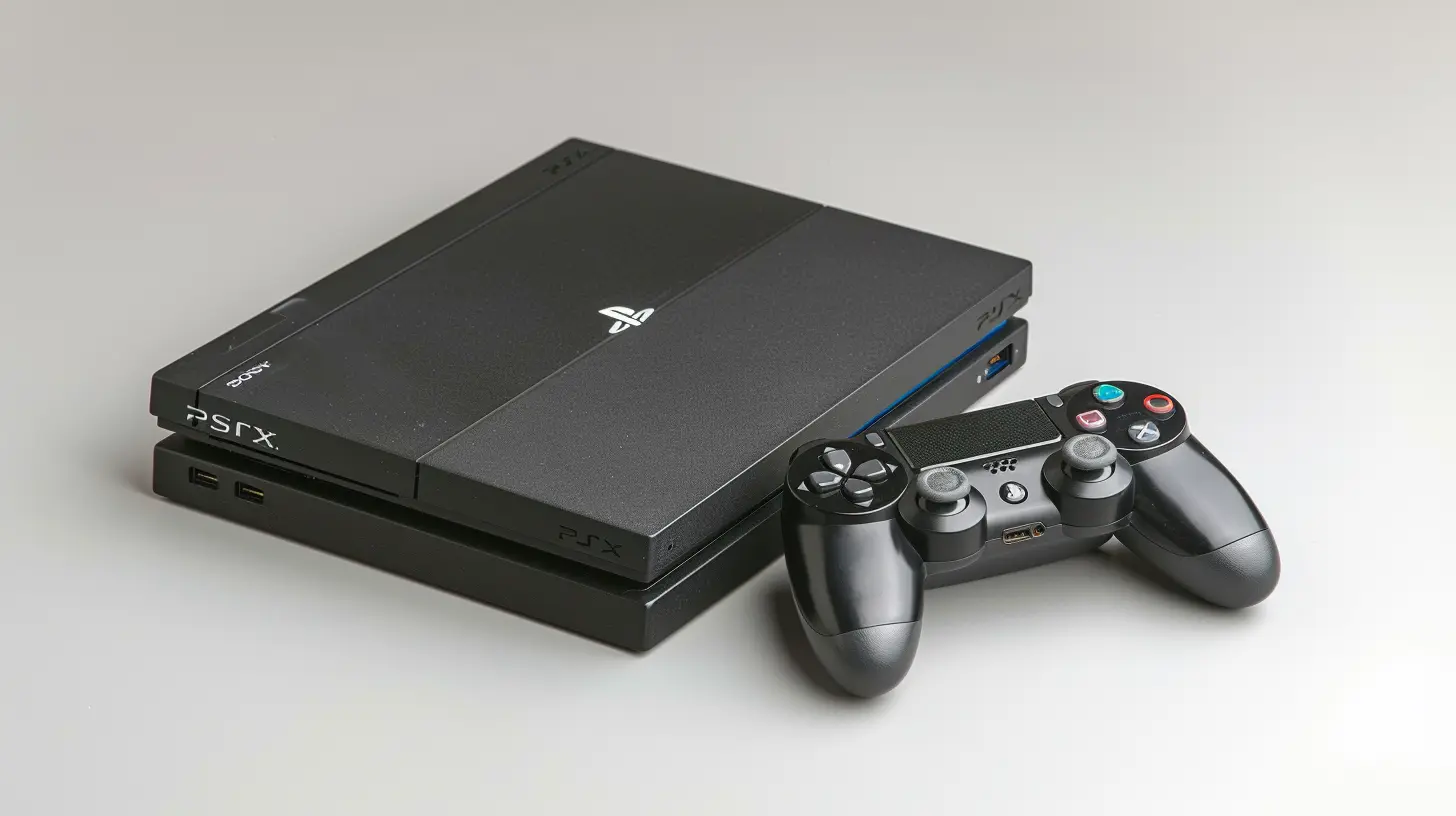
The Birth of the PlayStation
So, Sony got to work. Using the groundwork they had already prepared for the Nintendo project, the company began developing its own console. And in 1994, the first PlayStation was born.What made Sony’s PlayStation stand out? A few things, actually:
1. CD-ROM Technology
Compared to the cartridges used by Nintendo and Sega, PlayStation’s use of CDs was revolutionary. CDs were cheaper to produce, could store way more data, and opened the door for better graphics, full-motion video, and CD-quality sound. Gamers were blown away. One minute you’re looking at 16-bit sprites on a cartridge; the next, you’re watching a cinematic cutscene on a disc. It felt futuristic.
2. Third-Party Developers
Sony knew they couldn’t out-Nintendo Nintendo. Instead of focusing solely on in-house games, Sony opened the floodgates for third-party developers. They gave developers the freedom and tools to make exciting games for the PlayStation. Studios loved it, and soon, iconic games like Final Fantasy VII, Metal Gear Solid, and Resident Evil became synonymous with the console.
3. Cool Factor
Let’s be honest: PlayStation had style. The PlayStation wasn’t marketed as a toy for kids—it was marketed as a sleek, modern entertainment device for teens and adults. It felt edgier than the colorful, family-friendly image of Nintendo. The gray console, the innovative controller, and that iconic startup sound? All of it screamed, “We’re new, we’re different, and we mean business.”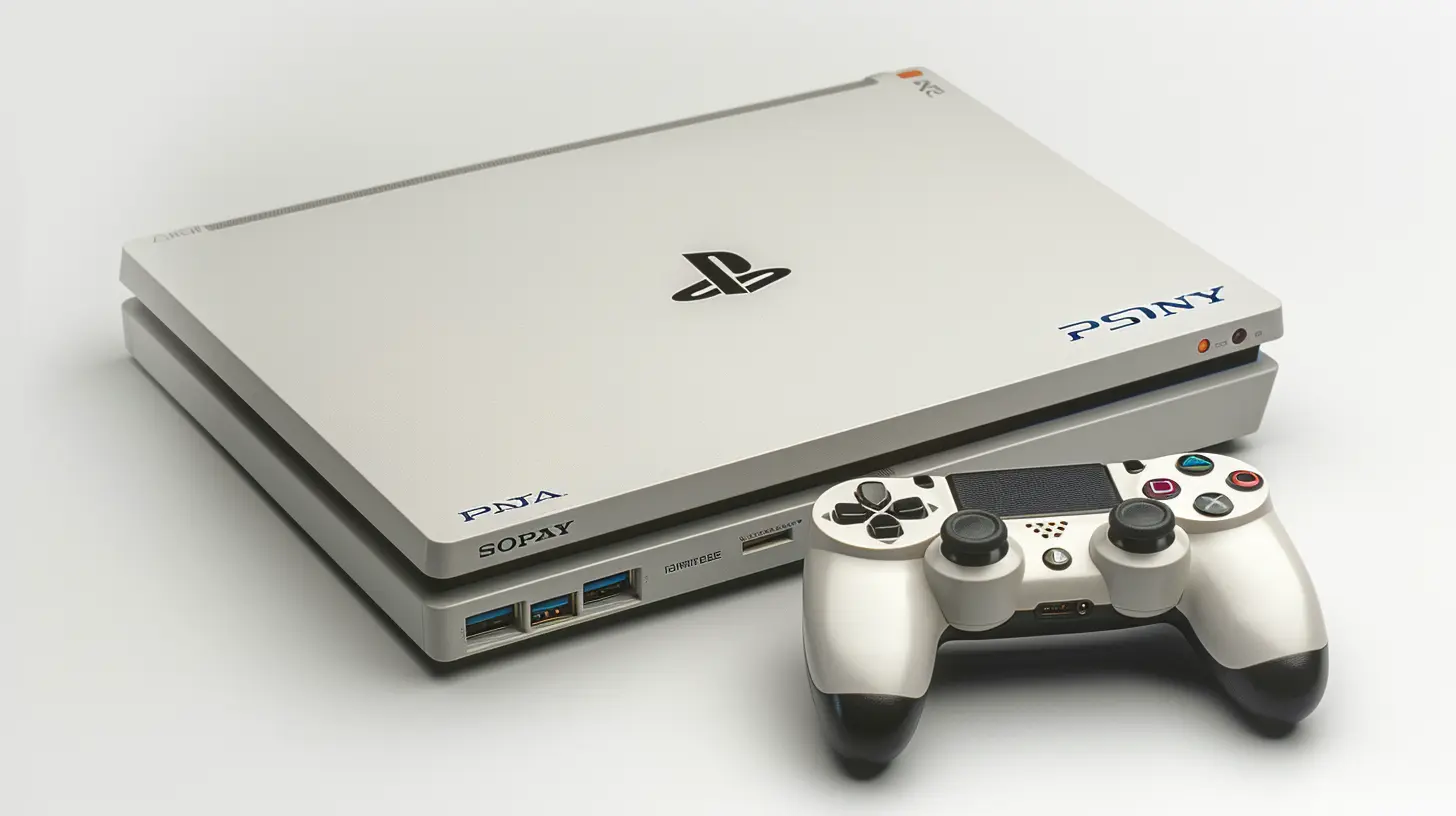
The Fall of Sega and Nintendo’s Overconfidence
Sony’s rise was also helped by the stumbles of their competitors. Sega, which had found success with the Genesis/Mega Drive, misfired big time with the Sega Saturn. The Saturn was complex to develop for, lacked strong third-party support, and had an awkward launch strategy. Gamers didn’t bite.Nintendo, meanwhile, seemed a little too confident in its legacy. Their next console, the Nintendo 64, stuck with cartridges, which turned off many third-party developers who wanted to work with CDs. Remember the massive worlds and cinematic experiences of Final Fantasy VII? That game could only fit on a CD, not a cartridge, so Square (now Square Enix) brought it to PlayStation instead of Nintendo.
In short, while Sega and Nintendo tripped over their own feet, Sony kept running full steam ahead.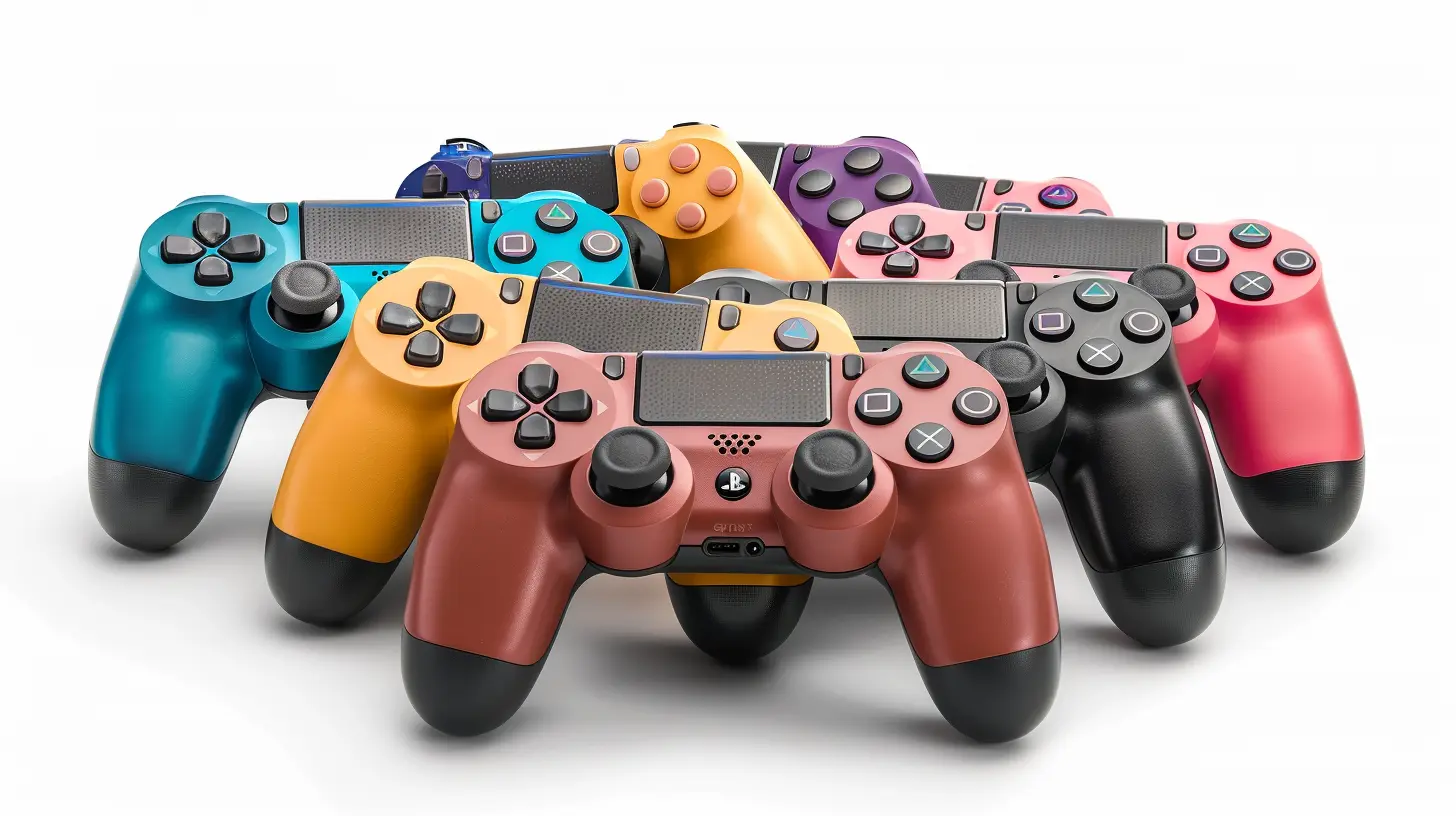
PlayStation’s Impact on Gaming
The original PlayStation wasn’t just a good console—it was a game-changer for the entire industry. Sony sold over 100 million units of the first PlayStation worldwide, making it the first console to hit that milestone. But the impact went beyond sales numbers.Bringing Gaming to the Mainstream
Before the PlayStation, gaming was often seen as a niche hobby for kids and nerds. Sony changed that narrative. They marketed the PlayStation as the “cool” console, and suddenly, gaming was something everyone wanted to be part of. College students, young professionals, adults—PlayStation brought in a broader audience than any console before it.Paving the Way for Modern Gaming
A lot of what we take for granted in gaming today can be traced back to the original PlayStation. DualShock controllers introduced analog sticks and rumble features. Memory cards made it easy to save games. And the focus on cinematic storytelling laid the groundwork for the epic, immersive games we see today.The Legacy of the PlayStation Brand
What started as a revenge project against Nintendo turned into a dynasty. After the massive success of the original PlayStation, Sony kept the hits coming with the PlayStation 2, PlayStation 3, and beyond.Each new generation brought innovations, from the PS2’s DVD compatibility to the PS5’s lightning-fast SSD. But at its core, PlayStation’s success comes down to one thing: understanding gamers. Sony didn’t just create hardware; they created a culture.
And now, decades later, the PlayStation isn’t just a console. It’s a symbol of one of the greatest underdog stories in gaming history. A company that was never supposed to be a player in the gaming industry became one of its biggest powerhouses.
Final Thoughts: A Lesson in Resilience and Risk-Taking
The story of how Sony’s PlayStation broke into the video game market is, at its heart, a tale of resilience and risk-taking. Sony didn’t just stumble into success—they earned it by making bold decisions, embracing new technology, and challenging the status quo.It’s funny to think that if Nintendo hadn’t betrayed Sony all those years ago, we might never have gotten the PlayStation at all. But hey, one company’s misstep became another’s opportunity. And now, millions of gamers around the world are better off for it.
all images in this post were generated using AI tools
Category:
Gaming HistoryAuthor:

Brianna Reyes
Discussion
rate this article
2 comments
Maya Wilcox
PlayStation: When a couch potato became a gaming guru’s secret weapon. 🍕🎮
February 10, 2026 at 4:39 AM
Brianna Reyes
Absolutely! PlayStation transformed casual gaming into a cultural phenomenon, turning everyday players into dedicated gamers.
Zaren McCoy
Great insights! PlayStation's journey is truly inspiring!
February 8, 2026 at 4:32 PM
Brianna Reyes
Thank you! I'm glad you enjoyed the article and found PlayStation's journey inspiring!