How Sonic the Hedgehog Became Sega’s Iconic Mascot
24 January 2026
Let’s face it: when it comes to legendary video game characters, Sonic the Hedgehog is on the Mount Rushmore of gaming icons. He’s fast, he’s blue, and, honestly, he’s cooler than a freezer full of chili dogs (his favorite food, of course). But have you ever stopped to wonder how this spiky speedster became the face of Sega? Why not, say, an armadillo or a platypus? Well, buckle up—because we’re about to zoom through the whirlwind story of how Sonic the Hedgehog became Sega’s legendary mascot.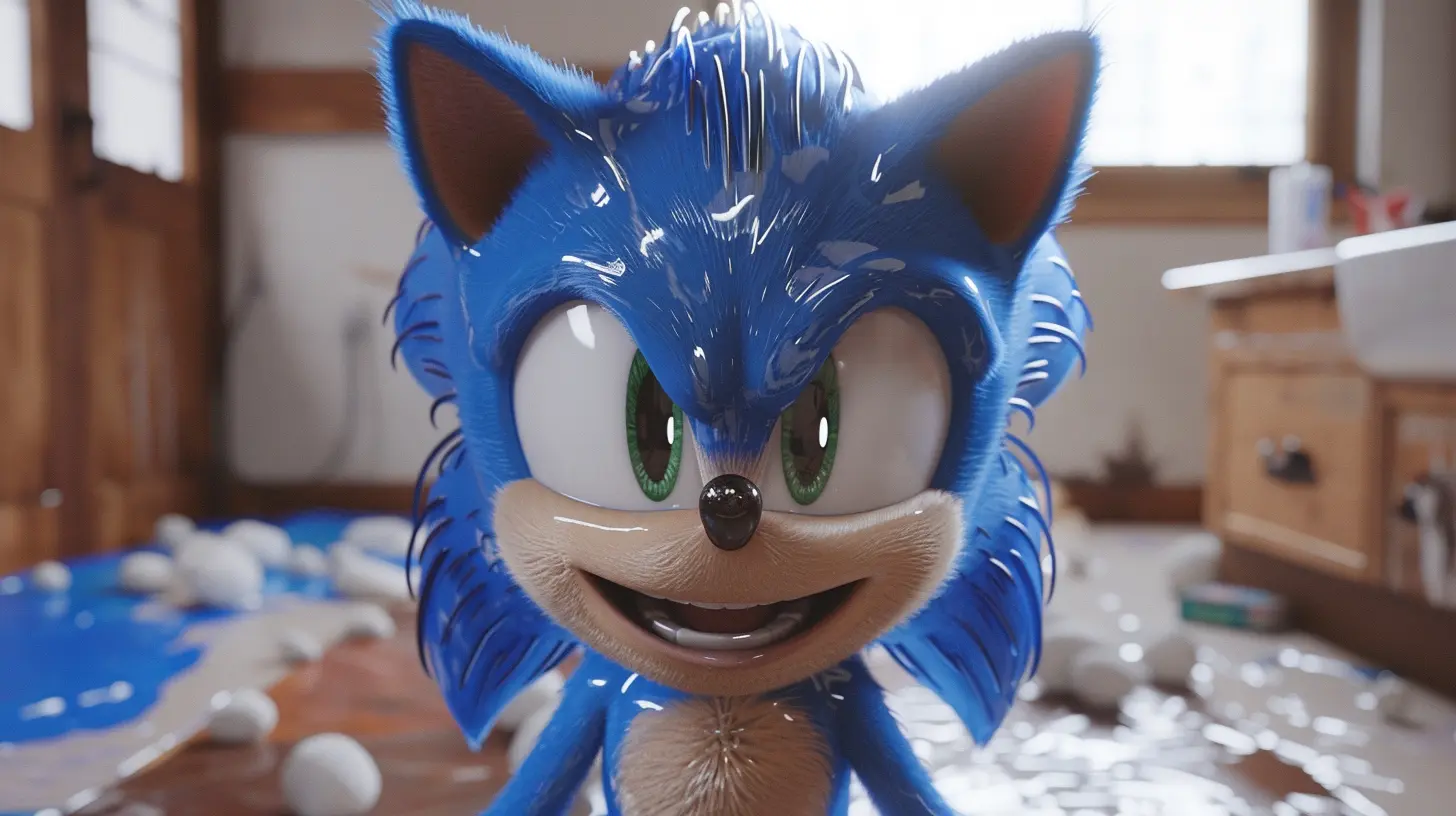
Gaming in the Early Days: The Need for Speed (and a Mascot)
Back in the late 1980s and early 1990s, Sega was like the underdog kid trying to make it big in the video game playground. Nintendo was dominating the market with Mario, that charming plumber with a mustache so iconic it could star in its own game. Sega? They were struggling to keep up. Sure, they had the Sega Genesis (or the Mega Drive, depending on where you’re from), but what they didn’t have was a mascot. You know, someone cool—like Mario—but with more... edge. Sega needed a face, a personality, a brand. Enter the hedgehog.But hold up—why a hedgehog?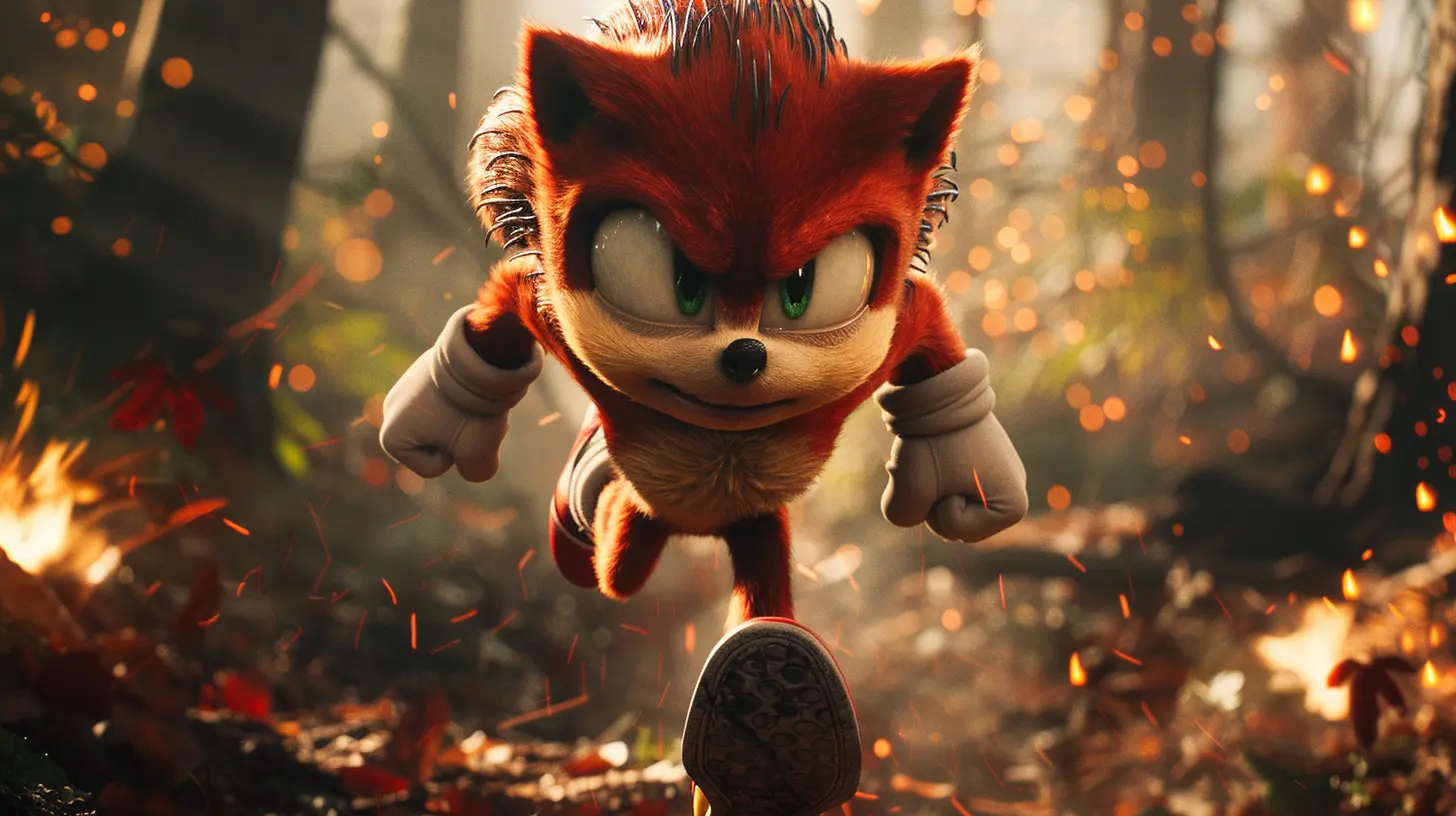
Blame It All on a Rabbit (Sonic’s Very Weird Draft Phase)
Believe it or not, Sonic didn’t start life as a hedgehog. Nope. Early in development, Sega was toying with the idea of a rabbit as their mascot. And not just any rabbit, but this spring-loaded fella that could grab objects with his ears. Sounds, uh, innovative, right? Unfortunately, the gameplay mechanics for "Grabby the Rabbit" (we’re making that name up, but you get the point) turned out to be a nightmare.Realizing they were going nowhere fast, Sega scrapped the bunny idea and went back to the drawing board. They decided to focus on a character who could emphasize speed—something that set the Sega Genesis apart from rival consoles. And what screams speed more than a hedgehog? (Okay, fine, maybe a cheetah does, but stay with me here.)
In 1990, a team of designers led by Naoto Ohshima birthed Sonic—a blue hedgehog with red sneakers, a cheeky grin, and a “get out of my way” attitude. Experiment over. Sega had its hero.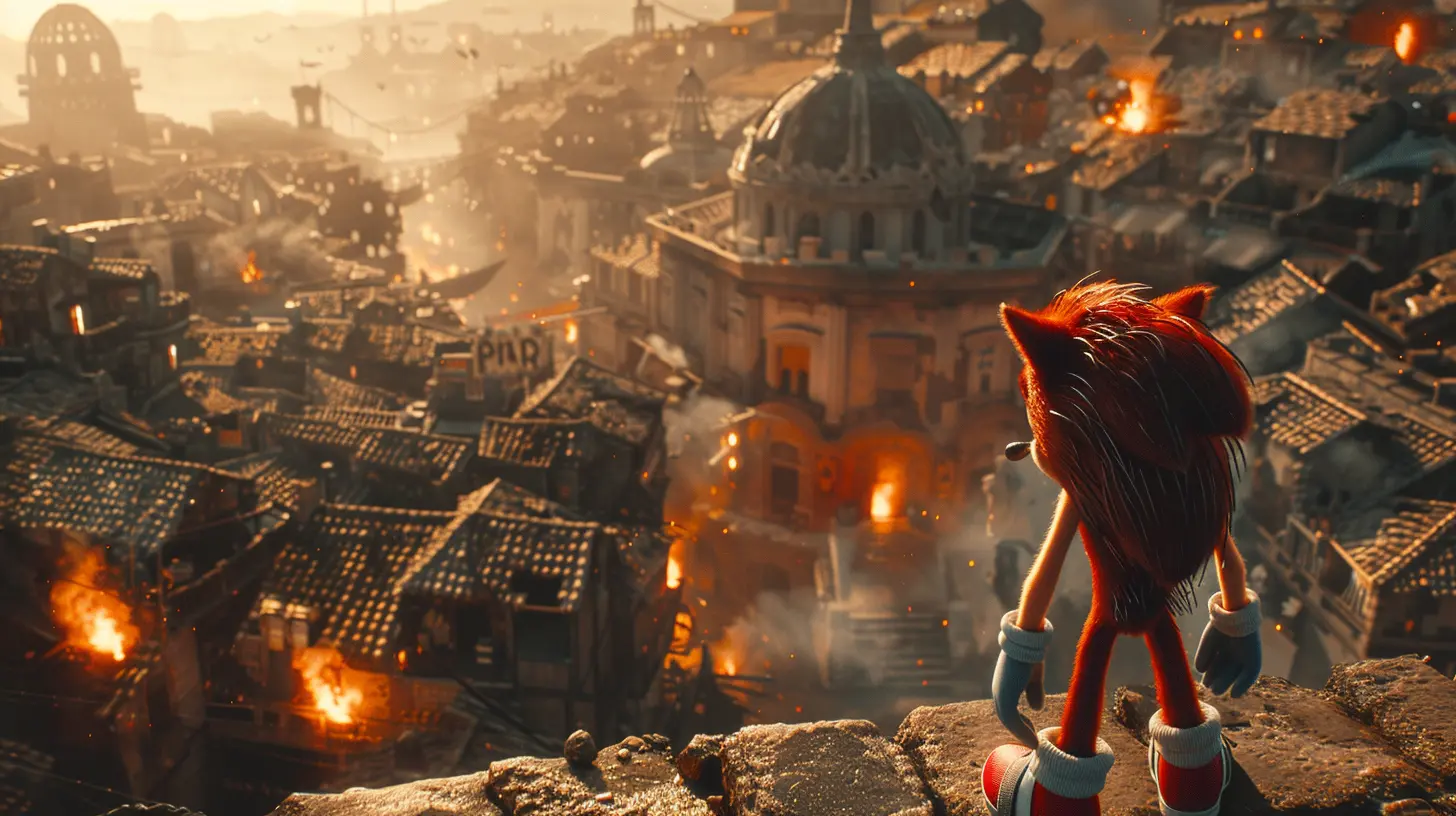
Why Blue? What’s With the Sneakers? And That Attitude?
Okay, let’s break this down, because none of Sonic’s design elements were random.- Why Blue? Sonic’s electric blue fur was a deliberate choice to match Sega’s corporate logo. It was branding, baby! Plus, blue’s a calming color, which might explain why we’ll forgive Sonic even when he zooms right into a spike trap.
- Red Sneakers: His shoes were inspired by a combination of Michael Jackson’s flashy footwear (the King of Pop was the icon of the time) and the vibrant colors of Santa Claus. Not even kidding—Sonic’s got Michael Jackson and Santa Claus in his DNA.
- Cocky Attitude: Sonic’s personality was a response to Mario. Sega wanted Sonic to be "the cool kid" who everyone wanted to hang out with—someone fast, edgy, and confident. If Mario was the friendly next-door neighbor, Sonic was the rebel skater kid who could do a kickflip off your mailbox. He was Sega’s way of screaming, “Hey, we’re not Nintendo!”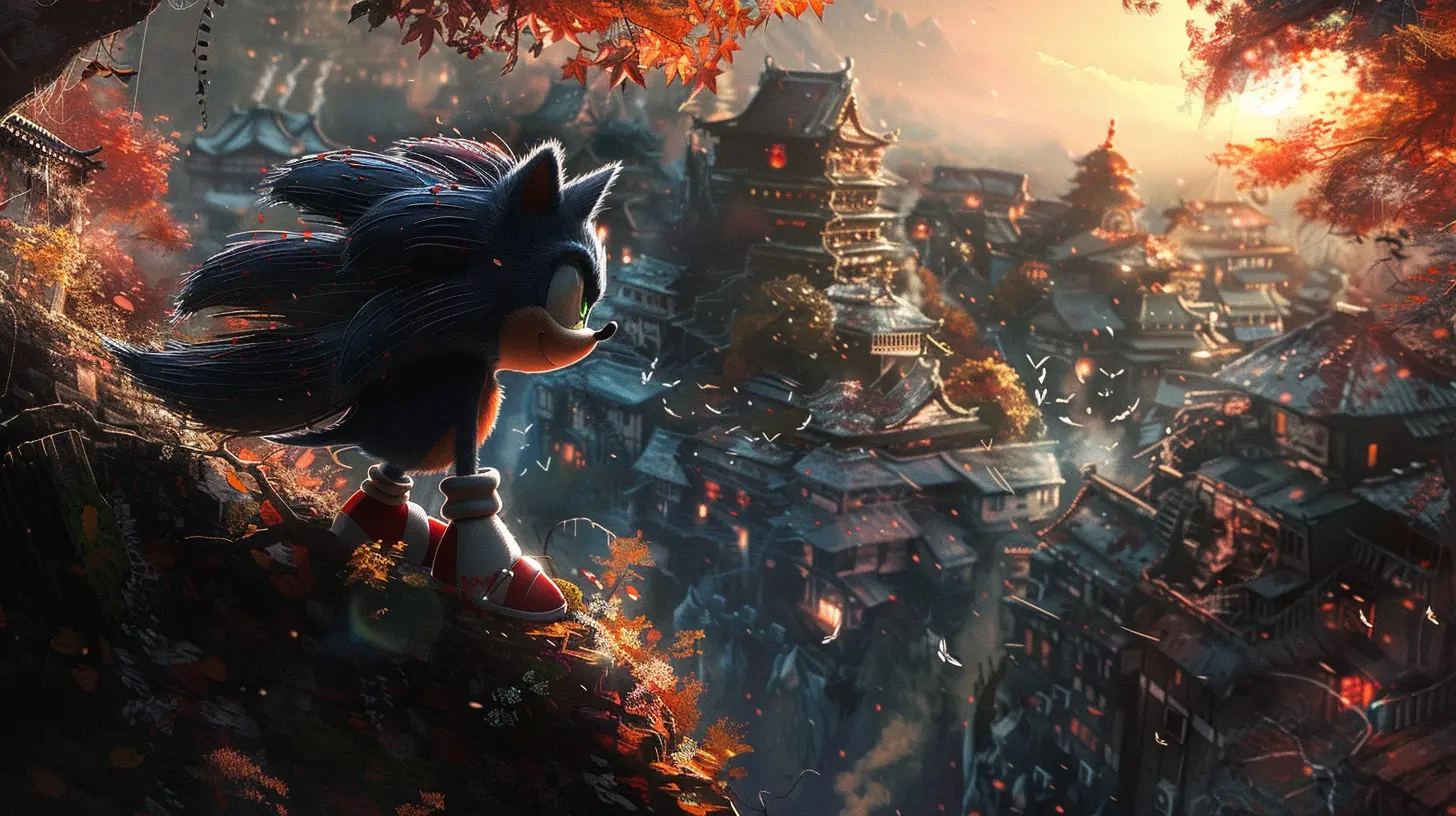
Sonic’s First Race: Sonic the Hedgehog (1991)
When "Sonic the Hedgehog" debuted in 1991, the gaming world collectively lost its mind. Here was this high-speed hedgehog zooming through vibrant levels like Green Hill Zone, all while showcasing the true power of the Sega Genesis. It wasn’t just a game—it was a statement. The smooth scrolling, the bright colors, and the catchy music by Masato Nakamura (seriously, those tunes are still stuck in our heads) left gamers in awe.And Sonic? He wasn’t just a pixelated character on a screen. He was a vibe. His finger-wagging intro, his impatient foot-tapping if you stood still too long—Sonic had a personality that jumped out at you. It was like Sega was saying, “We’ve arrived... and we’re here to stay.”
The Console Wars: Sonic vs. Mario
If you were a kid in the 90s, you probably remember the heated playground debates: Sonic or Mario? The rivalry between Sega and Nintendo became legendary, igniting the first real console wars. Sega’s marketing campaign went all-in with slogans like, “Genesis does what Nintendon’t.” Brutal, right?Sonic became Sega’s weapon of choice in this battle. His games were faster, his levels were flashier, and his attitude was undeniably cooler. Mario? He was still jumping on Goombas and eating mushrooms. Cute, but Sonic was doing loop-de-loops at Mach speed. Sega wanted you to know that Sonic was the future—and the future was fast.
Sonic’s Friends (and Foes): Building a Universe
Of course, Sonic wasn’t speeding through his journey alone. Over the years, Sega gave him an ever-growing cast of allies and enemies that added depth to the franchise.- Tails: Introduced in 1992’s Sonic the Hedgehog 2, this two-tailed fox was loyal, brainy, and could fly! Tails was basically the Luigi to Sonic’s Mario... except, you know, a fox with helicopter tails.
- Knuckles: A rival-turned-friend, Knuckles debuted in Sonic the Hedgehog 3. Feel free to think of him as the brooding Wolverine to Sonic’s charming Spider-Man.
- Dr. Robotnik (or Eggman): Sonic’s arch-nemesis and the reason Sonic spends most of his time freeing innocent woodland creatures from robotic torture devices. His goofy mustache is basically the evil twin of Mario’s.
These characters weren’t just sidekicks—they were world-builders, helping cement Sonic’s legacy as more than just a one-off mascot.
Sonic Goes Through Growing Pains
Let’s be honest: not all of Sonic’s adventures have been golden. While the early 90s were Sonic’s heyday, the 3D era wasn’t so kind to him. Games like Sonic Adventure showed promise, but then... well, Sonic 2006 happened. (Yeah, we don’t talk about that one.) Sonic became a bit of a meme—more infamous than famous.But even during his rough patches, Sonic fans stayed loyal. Why? Because Sonic isn’t just a character; he’s an icon. He’s nostalgia in blue fur, a reminder of our childhoods, and, like that one chaotic friend we all have, we love him even when he’s a mess.
The Sonic Renaissance: Back in the Loop
In recent years, Sonic has seen a comeback worthy of a triumphant theme song. Games like Sonic Mania (2017) brought back the classic 2D gameplay that fans adored, proving that sometimes you’ve got to go back to your roots. And let’s not forget the Sonic the Hedgehog movie (and its sequel), which turned out to be shockingly good, especially after fans forced the studio to redesign Sonic into something less... nightmarish.The cherry on top? Sonic’s enduring popularity has solidified him as one of the most recognizable gaming mascots of all time. Whether it’s his games, cartoons, comics, or even his memes, Sonic’s legacy isn’t going anywhere.
Final Lap: Why Sonic Matters
So, why did Sonic the Hedgehog become Sega's iconic mascot? It wasn’t just his speed or his blue fur (though that helped). It was the whole package—his rebellious attitude, his memorable adventures, and Sega’s relentless drive to stand out in a Nintendo-dominated world. Sonic didn’t just race onto the scene; he blasted through it like a blue rocket fueled by chili dogs.And isn’t that kind of inspiring? Sonic’s story reminds us that sometimes, you don’t have to play by the rules. Sometimes, you just need to put on your flashy red sneakers, roll into a ball, and go full throttle toward your dreams.
Now, if you’ll excuse me, I’m suddenly craving a chili dog.
all images in this post were generated using AI tools
Category:
Gaming HistoryAuthor:

Brianna Reyes
Discussion
rate this article
2 comments
Renee McNab
Sonic’s journey from concept to mascot brilliantly captures the essence of the 90s gaming culture. His rebellious spirit and speed promised a fresh alternative to Mario, resonating with those seeking excitement. Reflecting on Sonic’s impact, it’s clear that he not only defined Sega’s identity but also left an enduring legacy in gaming.
January 27, 2026 at 5:39 PM
Brianna Reyes
Thank you for your insightful comment! Sonic truly embodies the spirit of the '90s and has made a lasting impact on gaming culture.
Daniel Martin
Great article! It's fascinating to see how Sonic not only defined Sega's identity but also shaped gaming culture. His speed and attitude captured the imagination of so many. I appreciate the insights into his development and impact. It’s a reminder of how powerful a character can be in the gaming world!
January 26, 2026 at 4:42 AM
Brianna Reyes
Thank you for your kind words! I'm glad you enjoyed the article and found Sonic's impact on gaming culture fascinating. His legacy truly showcases the power of character in the industry!