How Remastered Games Are Redefining Classic Experiences
11 July 2026
Let’s face it—nostalgia hits hard, especially when it comes to video games. Whether you grew up smashing buttons on an old PlayStation, or waiting for friends to finish their turns on a Nintendo 64, there’s something magical about the classics. But here’s the thing—our rose-tinted memories don't always match the actual gameplay of those old-school games. That’s where remastered games step in, breathing new life into what many of us thought was already perfect.
So, what’s the real deal with remastered games? Are they just prettier versions of the originals, or is there more below the surface? Let’s dig deep into how remasters are reimagining our favorite classics—often in ways we never saw coming.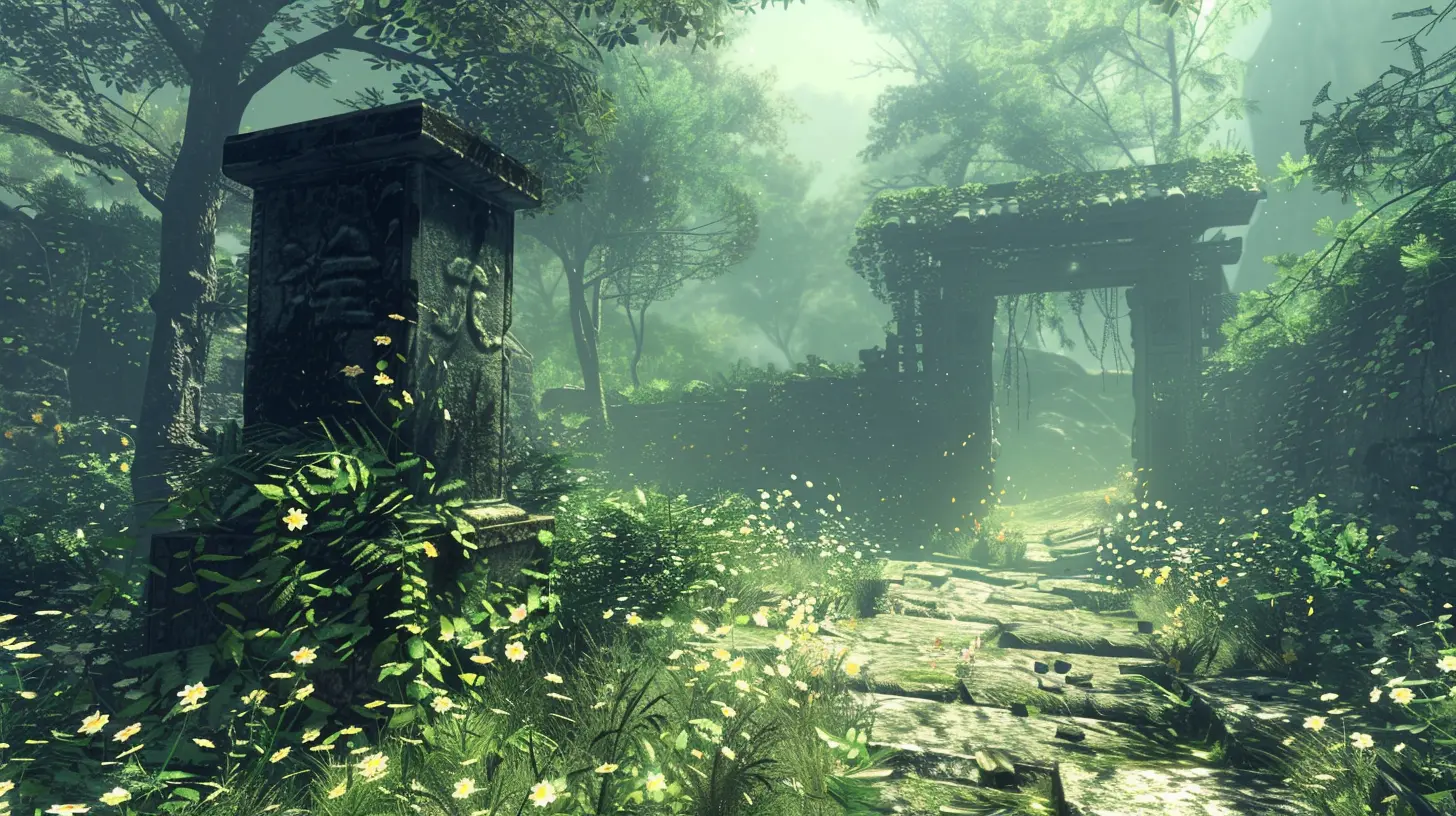
What Are Remastered Games, Anyway?
Before we jump into the guts of it all, let’s clear the air on what a remastered game actually is. Simply put, a remaster is an updated version of an older game where the developers polish the graphics, improve the sound quality, and sometimes update the gameplay mechanics. It's not a from-the-ground-up rebuild (that’s a remake), but it's also not just an old game ported directly to a new console.Think of it like giving your favorite leather jacket a deep clean, new buttons, and a better fit. Still the same jacket, just an upgraded version that feels relevant today.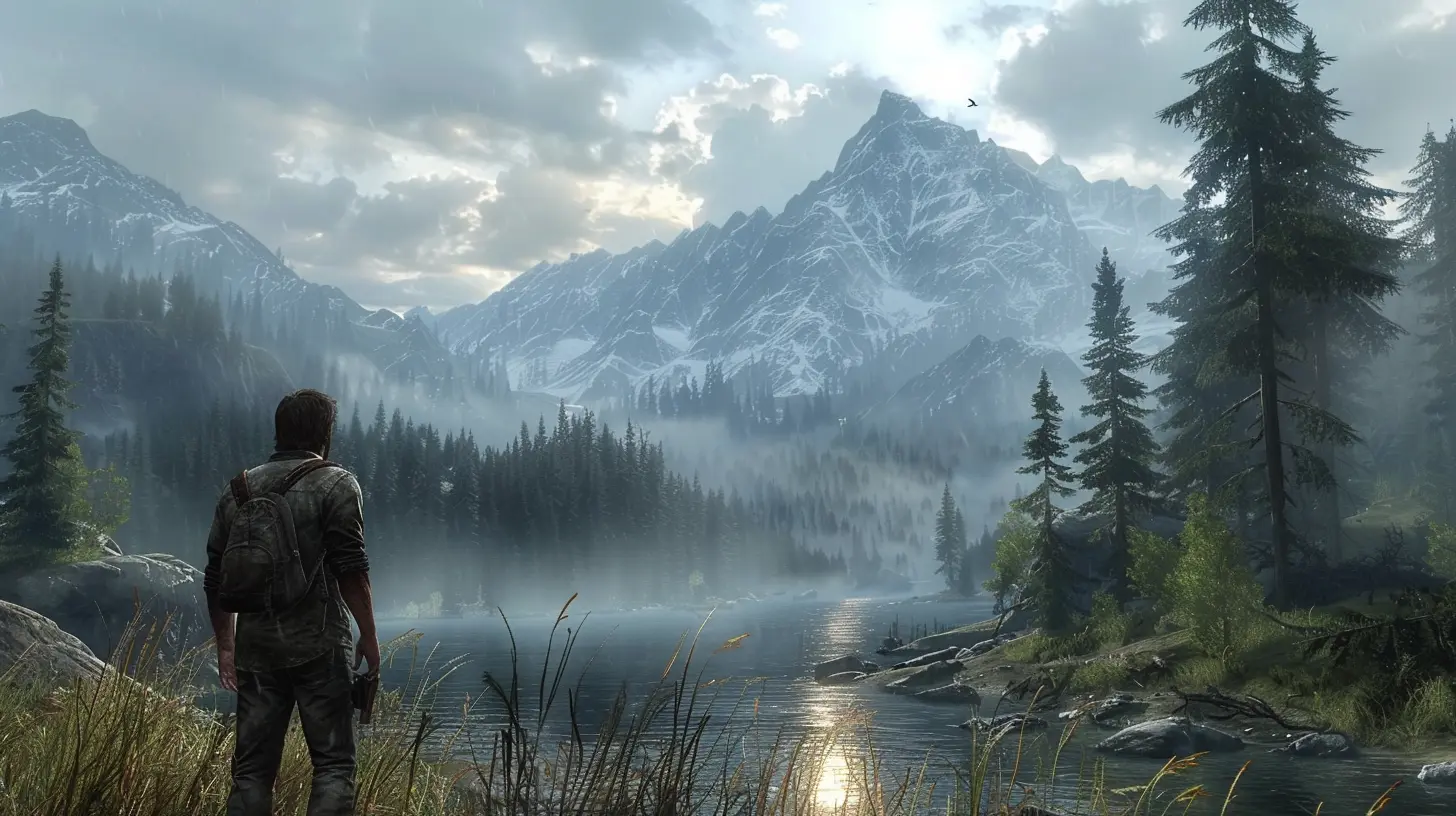
Why Are Remasters So Popular?
Remastered games are everywhere now. Whether it’s Final Fantasy VII Remastered, The Last of Us Remastered, or Tony Hawk's Pro Skater 1+2, players can’t seem to get enough. But why?1. Nostalgia Is a Powerful Drug
Let’s be honest—nostalgia sells. It’s like comfort food for gamers. Remember how pumped you were hearing that haunting Metal Gear Solid alert sound again for the first time in years? Yeah, that’s the good stuff.Remasters tap into those feelings and offer a way to reconnect with games that helped shape our childhood or teenage years. It’s a trip down memory lane—only this time, the frame rate is smoother and the visuals don’t make your eyes bleed.
2. A New Generation of Gamers
Many of today’s big titles got their start decades ago. But what about players who missed those early releases? Remasters offer newcomers a chance to enjoy classic narratives without having to tolerate outdated graphics or clunky controls. It’s history made accessible—and way more fun.3. Preservation of Gaming History
This one's a bit deeper. Games aren’t always future-proof. Hardware becomes obsolete, and physical copies can be hard to find. Remasters serve as a bridge to keep classic games alive in a digital age. Without them, some incredible titles might vanish into obscurity.
The Art of Balancing Old and New
Crafting a remaster isn’t just about slapping on a new coat of paint. Developers have to make critical decisions about what to keep, what to change, and what to throw out. And that’s not always easy.Keep the Soul Intact
The best remasters stay true to the spirit of the original. That means preserving key story elements, the iconic soundtracks, and even the quirks that made the original special (yes, even that slightly weird jump mechanic).Take Halo: The Master Chief Collection for instance. It nails the original experience while looking and feeling like a modern title. That's no easy feat.
Improve What Needs Improving
No one wants to relive clunky camera angles or awkward controls. This is where remasters really shine—fixing what didn't age well. Improved UI, smoother mechanics, and optimized performance make classics much easier to revisit.But Don’t Overdo It
Here’s where things get tricky. Over-polishing can actually ruin the charm. Some remasters have caught flak for changing the art style too much or tweaking the story to be more "modern." Fans are quick to notice when things go too far off-script.
Not All Remasters Are Created Equal
Let’s keep it real—not every remaster knocks it out of the park. Some feel rushed, lazy, or like a quick cash grab.The Good
Games like Resident Evil 2 Remake (even though it leans more on the remake side), Shadow of the Colossus, and Crash Bandicoot N. Sane Trilogy show how to revive a franchise the right way. They honor the original while enhancing it in meaningful ways.The Meh
Then you’ve got stuff like Silent Hill HD Collection which left fans disappointed with bugs, missing visual effects, and lackluster voice acting. It's a reminder that remastering is an art—not just a technical upgrade.How Remastered Games Are Changing the Gaming Industry
Okay, here’s where things get spicy—remasters aren’t just nostalgic side projects. They’re actually reshaping how the gaming world works.Reimagining Game Lifecycles
Back in the day, a game had a lifecycle—launch, play, fade into history. Now? A game from 1998 can become a best-seller in 2024. That’s insane when you think about it.Remasters extend the lifespan of beloved titles, giving them a second (or even third) shot at glory.
Lower Risk, Higher Reward
From a business standpoint, remasters are relatively low risk. The story’s already written, the characters are known, and the fan base exists. All developers need to do is improve the experience. That’s why studios love them—they’re safer bets compared to launching brand-new IPs.Sparking Interest in Sequels
Let’s not forget—remasters have a sneaky way of drumming up hype for upcoming releases. Just look at how Mass Effect Legendary Edition paved the way for interest in a new Mass Effect. It’s smart marketing, and it works.What Makes a Great Remaster?
So what’s the secret sauce? A good remaster should hit these sweet spots:- Faithful to the original: Don’t mess with what works.
- Technical improvements: Better visuals, sound, and performance.
- Modern conveniences: Quality-of-life upgrades like save-anywhere, difficulty adjustments, and accessibility features.
- Respect for fans: Acknowledge what players loved and don’t alienate the core audience.
If a remaster can check these boxes, chances are it’s going to make waves.
Will Remasters Replace Original Games?
Nope—not a chance. As much as we love upgraded versions, there’s still something sacred about playing a game exactly how it launched.The raw, unfiltered vibe of originals can’t be perfectly duplicated. That said, remasters aren’t trying to replace that—they're just offering a modern lens to appreciate something timeless.
The Future of Remastered Games
So where’s all this heading? Are we going to see every major game from the 90s and 2000s get a facelift?Probably not every game, but expect more remasters in the future—especially as tech evolves. We’re entering an era where 4K resolution, ray tracing, and AI-powered enhancements are the norm. That means even more immersive updates that keep the classics alive and kicking.
And who knows? Maybe the next evolution is fully interactive remasters that allow you to toggle between old and new visuals mid-game. (Halo: CE Anniversary Edition kind of already did this, and it was amazing.)
Final Thoughts: A Love Letter to the Past, Wrapped in the Future
At the end of the day, remastered games are more than just eye candy. They’re love letters—meticulously crafted experiences meant to celebrate what made a game special while ensuring it still rocks in today’s world.Whether you’re a veteran gamer reliving your glory days or someone diving into iconic titles for the first time, remasters are the perfect blend of past and present. It’s like meeting an old friend who’s had a major glow-up—same heart, new look.
So next time you see a remastered title pop up on the store, don’t just brush it off as recycled content. Chances are, there’s a whole lot more going on beneath the surface.
all images in this post were generated using AI tools
Category:
Remastered GamesAuthor:

Brianna Reyes