How Developers Breathe New Life Into Old Franchises
27 May 2026
Let’s get real — every gamer knows the heartbreak of seeing a beloved game franchise slowly fade into the pixelated shadows. You remember the good times. The late nights. The unforgettable boss fights. And then… poof. Nothing. It’s almost like your favorite video game series fell asleep without setting an alarm.
But fear not, fellow digital adventurer — every once in a while, something magical happens. A classic game gets a second chance. Developers step in like digital necromancers, and suddenly that old franchise you thought was long gone? It’s back. Bigger. Bolder. With shinier textures.
So how do game devs pull off this resurrection act? Let’s break down the secret sauce behind breathing new life into old franchises — and why it works.
?️ Nostalgia Is Their Superpower
Ah yes, nostalgia — that sweet, irresistible trip down memory lane.Developers know exactly how powerful nostalgia can be. It’s why we get goosebumps hearing that familiar soundtrack or seeing a pixel-perfect recreation of a beloved character. The trick? They don’t just copy-paste the past. Instead, they treat nostalgia like seasoning. Just enough to flavor the game, without overpowering it.
Take games like Crash Bandicoot N. Sane Trilogy or Tony Hawk's Pro Skater 1+2. They weren’t just remakes — they were love letters. Developers modernized the experience while keeping the soul intact. And that balance? It’s what makes the magic happen.
? Updating Visuals Without Erasing the Past
Let’s face it — what looked amazing in 1998 probably looks like melted plastic today. But that doesn’t mean developers toss the old art style in the trash and start from scratch.Instead, they upgrade. Think of it like renovating grandma’s vintage house. You don’t knock it down — you fix the plumbing, repaint the walls, and maybe sneak in some smart home gadgets.
By refreshing textures, adding richer colors, and tightening animations, devs can keep the heart of the game intact while making it palatable for modern eyeballs.
Did someone say ray tracing in Final Fantasy VII Remake? Yup. That’s how you do it.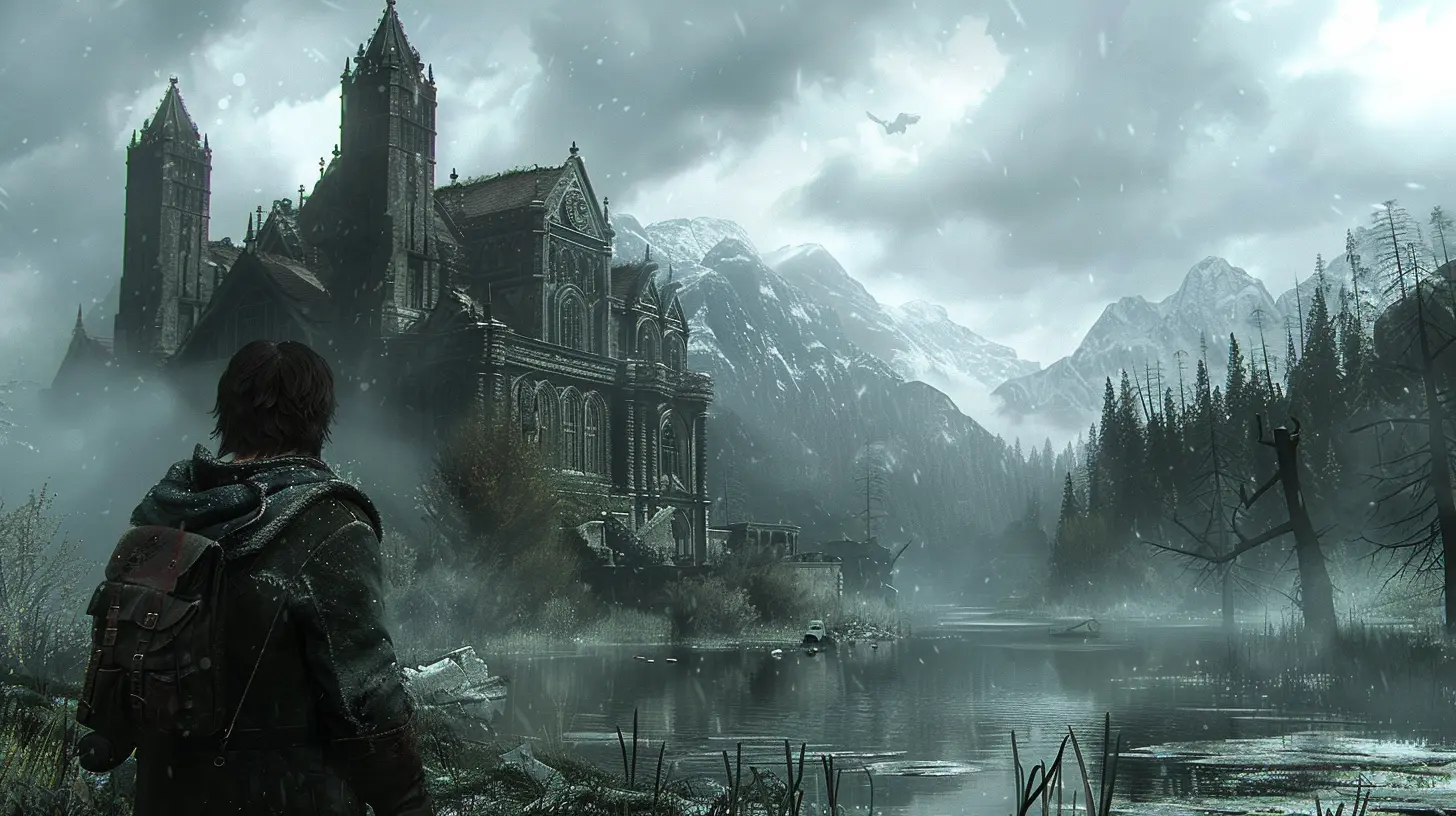
? Gameplay Tweaks That Hit Just Right
Remember when your character had tank controls, and jumping felt like guiding a refrigerator over a cliff? Yeah… we’ve evolved.Developers today know that gameplay expectations have changed. What was acceptable two decades ago might result in controller-yeeting frustration now. So they keep the essence of the original mechanics, but tweak them for flow, responsiveness, and — most importantly — fun.
Let’s not forget Resident Evil 2 Remake. They tossed the fixed camera angles and clunky movement, opting for an over-the-shoulder view that kept the horror tight but modern. Still terrifying? 100%. Still true to the original? Absolutely. But it didn’t feel stuck in 1998. That’s the sweet spot.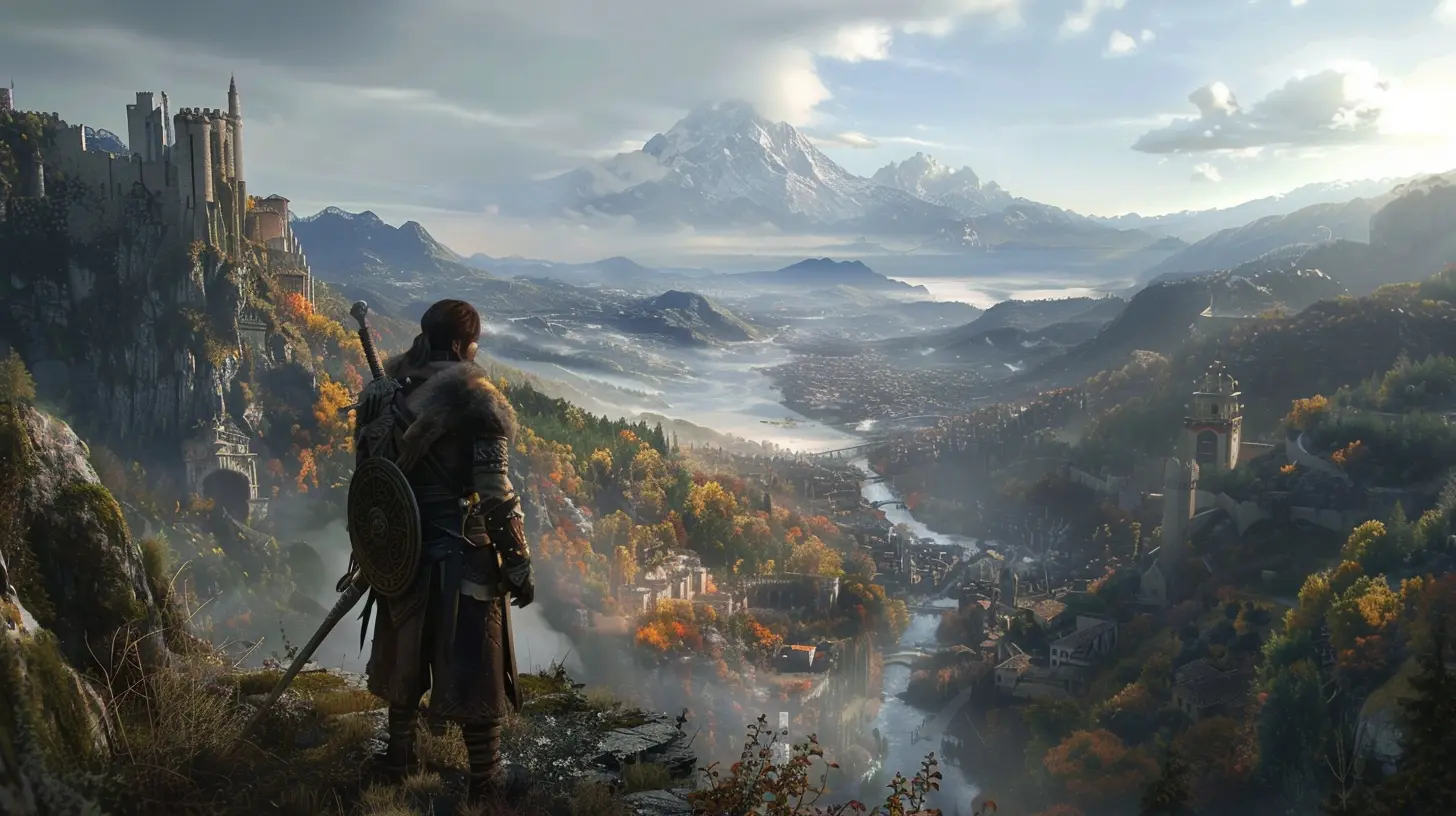
?️ Building on Legacy, Not Repeating It
Here’s the thing: gamers don’t want the exact same game they played 20 years ago. What they want is a familiar experience with fresh surprises. That’s why smart developers don’t just replicate the old formula — they remix it.In some cases, they add new characters, reimagine the story, or introduce mechanics that couldn’t have existed on older consoles. These additions feel like a natural evolution rather than a forced reboot.
Take God of War (2018). It didn’t erase the angry, button-mashing chaos of the original trilogy — it evolved Kratos into a more mature, relatable anti-hero and blended in Norse mythology for a whole new vibe. That’s not just rehashing — it’s reimagining.
? Storytelling That Grows With the Audience
Here’s a plot twist: the players who loved the original game are older now. We’ve got bills, jobs, and maybe a few extra grey hairs. So when developers bring back an old franchise, they often mature the story too.It’s not about dumbing things down or going full Shakespeare. It’s about recognizing that the audience has grown up and wants deeper emotional connections, more nuanced characters, and better storytelling.
Think of The Legend of Zelda: Breath of the Wild. Sure, it’s got Link, swords, and puzzles — but it also explores themes of loss, redemption, and identity in a way that hits a little harder now that we’re not 12.
? Tapping Into Fan Communities
You know who LOVES old franchises? Fans. Superfans. Forum-dwelling, lore-obsessed, cosplay-committed fans who’ve kept the flame alive for years.Developers are finally realizing that listening to these communities is a win-win. They provide insights, ideas, and feature requests that can transform a reboot from “meh” to “masterpiece.”
Crowdfunding and social media have made fan-developer communication easier than ever. Look at Shenmue III or Psychonauts 2. Without fan engagement, those games might've stayed in the vault forever.
When devs treat fans like partners, the final product reflects it. You feel the passion in every pixel.
? Bundles, Remasters, and Reboots — Oh My!
There are different ways to resurrect a franchise, and developers are getting real clever with the options.✨ Remasters
These are the HD glow-ups. A fresh coat of paint, maybe a few quality-of-life improvements. Perfect for newcomers and purists alike. It’s like buying a vintage car and adding Bluetooth.Examples: Shadow of the Colossus (PS4), Mass Effect Legendary Edition
? Remakes
These are full-on rebuilds. Think foundational changes, new engines, updated voice acting, and sometimes brand-new content. It’s essentially a classic game reimagined for modern platforms.Examples: Resident Evil 2 Remake, Final Fantasy VII Remake
? Reboots
This is where they hit the reset button. New universe. New origin story. Same name, but a different take. Risky? Sure. But when done right, it can be glorious.Example: Tomb Raider (2013)
? Overcoming Challenges and Staying Authentic
Reviving a game franchise isn’t all sunshine and fanfare. There are tough decisions and tightropes to walk.Too much change? Long-time fans riot on Reddit.
Too little change? New players bounce due to outdated mechanics.
To strike that perfect balance, developers often bring in original creators (when possible), hire new talent with fresh perspectives, and embrace a clear vision. It’s a delicate cocktail of tradition and innovation.
And sometimes? They try, and it doesn’t work out (cough Duke Nukem Forever cough). But hey, that’s part of the journey. Not everyone can nail a comeback tour.
? Mindset Shift: From Product to Platform
One of the more fascinating trends in resurrecting franchises is this shift in mindset. Games aren’t just one-and-done releases anymore. They’re evolving platforms.Developers now think long-term: DLCs, seasonal content, live events, and updates that keep the game alive for years. This mentality turns a single game into a living ecosystem.
Example? Halo: The Master Chief Collection. It started as a nostalgia trip but evolved into a constantly updated platform for competitive and casual players alike.
Old franchises aren't just games anymore — they're services. And if done right, that’s a good thing.
? New Tech Opens Old Doors
Let’s hear it for new tech! Cloud gaming, VR, haptic feedback — these are game-changers (literally) for reviving old IPs.Imagine playing a survival horror classic in VR. Or a 90s platformer powered by AI-enhanced animations. These aren’t just gimmicks; they offer entirely new ways to experience existing stories and mechanics.
Developers don’t always need to rewrite the script — sometimes, just handing you a cooler controller can make that old game feel brand new.
? Final Thoughts: It’s Not Just Nostalgia — It’s Evolution
At the end of the day, breathing new life into old franchises isn’t about turning back the clock. It’s about honoring the past while embracing the future. Smart developers understand that the heart of a franchise lies in its feel, its vibe, and its soul — not just its graphics or name.So next time you see a reboot announcement and feel that familiar twinge of excitement, remember: it’s not just your childhood calling. It’s your grown-up gamer self getting ready for a reunion — with better graphics, smoother controls, and maybe even a few emotional gut punches.
And honestly? We’re here for it.
all images in this post were generated using AI tools
Category:
Remastered GamesAuthor:

Brianna Reyes
Discussion
rate this article
1 comments
Soleil McGonagle
Reviving old franchises requires creativity, fresh ideas, and a deep understanding of what fans love most.
June 25, 2026 at 4:55 AM
Brianna Reyes
Absolutely. It's all about balancing nostalgia with innovation to keep fans engaged and excited.