How Character Design Impacts Player Experience
1 December 2025
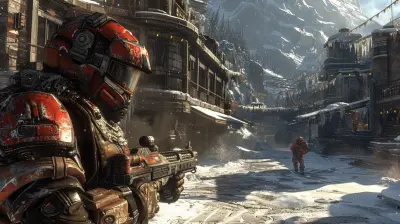
Let’s be real—when we think about great video games, what’s the first thing that usually pops into our heads? Maybe it’s a favorite level, a memorable boss fight, or that final plot twist that left us speechless. But right there, center stage, are the characters. Whether you're guiding a silent wanderer across ancient ruins or commanding a fully voiced hero in a high-octane shooter, character design is what makes the experience feel personal.
So, how does character design actually influence how we, as players, connect with a game? What makes us love, hate, or even cry for these virtual beings? That’s exactly what we’re diving into. From art style to backstory to the vibe each character gives off, there's way more going on under the hood than you might think.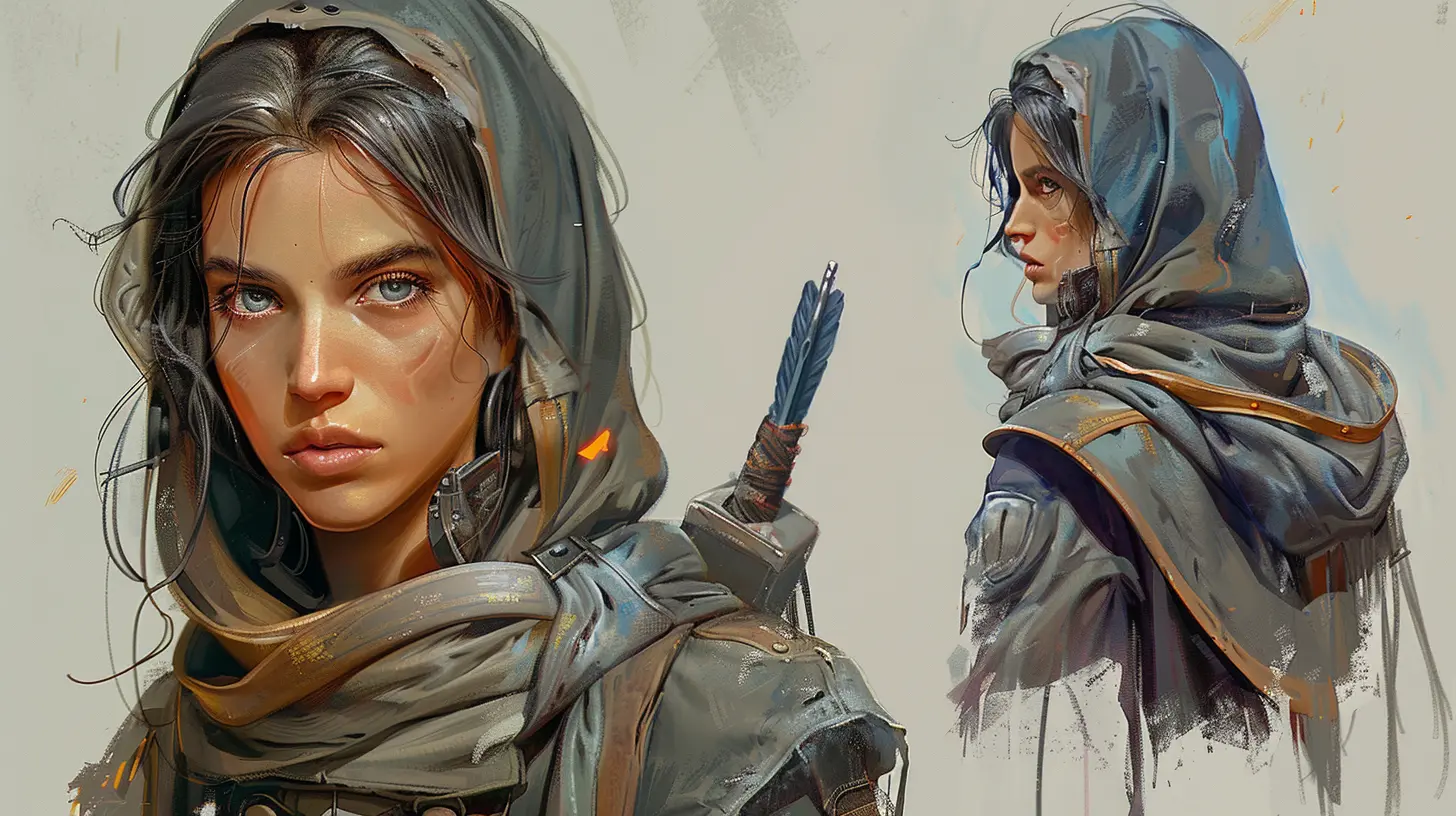
First Impressions Matter: The Visual Hook
Ever heard the phrase “you never get a second chance to make a first impression”? Well, the same goes for game characters.The Power of Silhouettes
Grab a piece of paper and try drawing the outlines of Mario, Master Chief, and Lara Croft. Odds are, you’ll recognize each just from their shapes. That’s intentional. Game designers use strong, unique silhouettes to make characters stand out, especially in chaotic gameplay moments. A good silhouette is like branding—it sticks in your head.Color Psychology
Colors speak louder than you think. Red usually signals passion or danger (think Kratos or Deadpool). Blue feels calm and wise (like Cortana). Designers choose color palettes to reflect personality traits before the character even says a word. Next time you boot up a game, take note of this. You’ll start to see the pattern.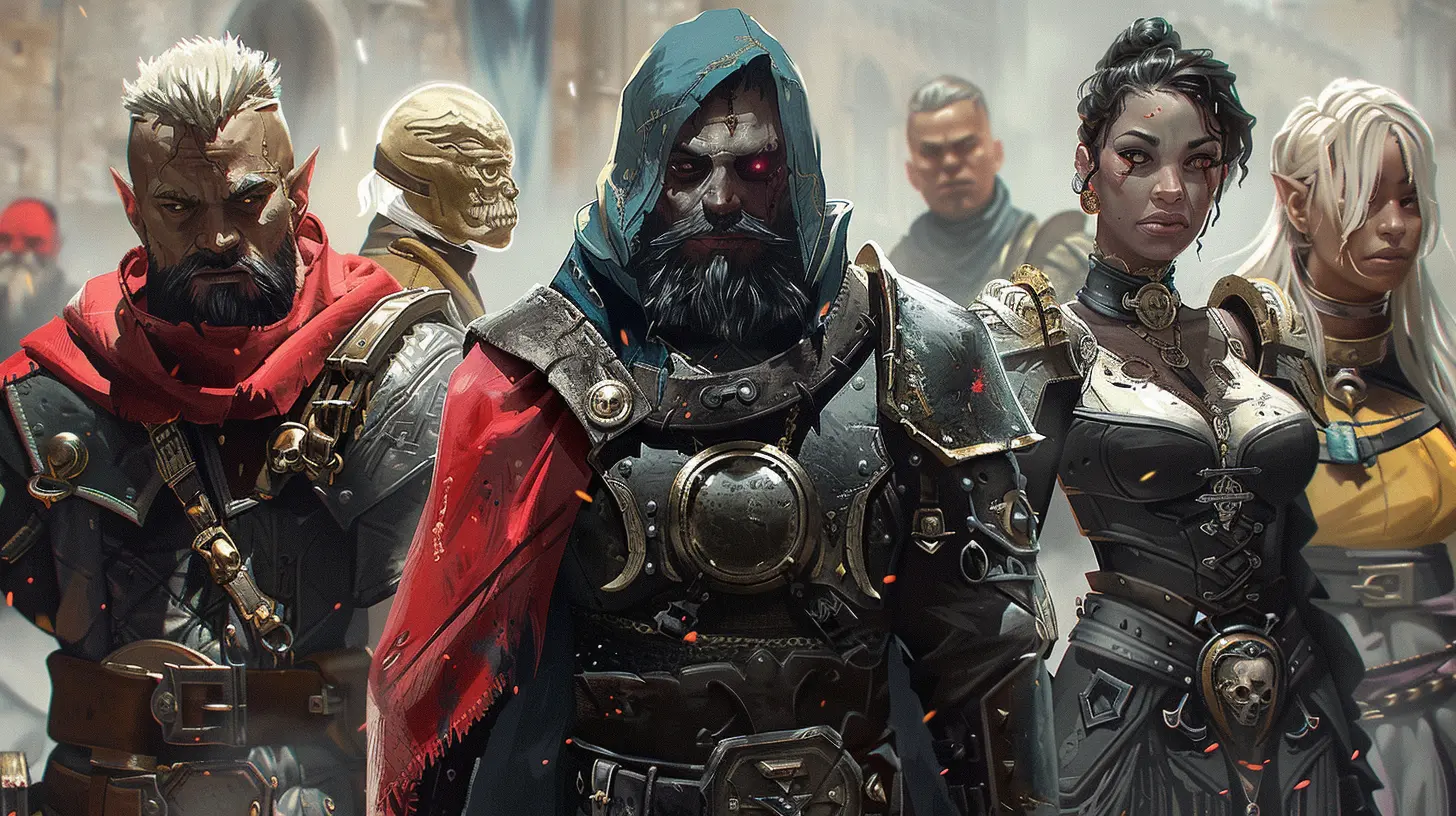
Personality Shapes Perception
Now let’s chat about personality. Visuals might grab your attention, but personality keeps you invested. It's like dating—it’s not enough to look good, you have to click.Dialogue and Voice Acting
The way a character speaks, their tone, and even their accent can immediately place them in a certain light. Think about Geralt from The Witcher. That dry, slightly grumpy tone? That’s personality baked into dialogue delivery.When done well, voice acting enhances immersion. When done poorly, well... let’s just say it pulls us out of the moment faster than a sudden lag spike.
Non-Verbal Expressions
Expressions, gestures, and body language speak volumes. A character’s smirk, slouch, or wide-eyed expression can tell you everything about how they’re feeling—even if they don’t say a word. In fact, many indie games rely heavily on this due to budget constraints, and they still manage to pack an emotional punch.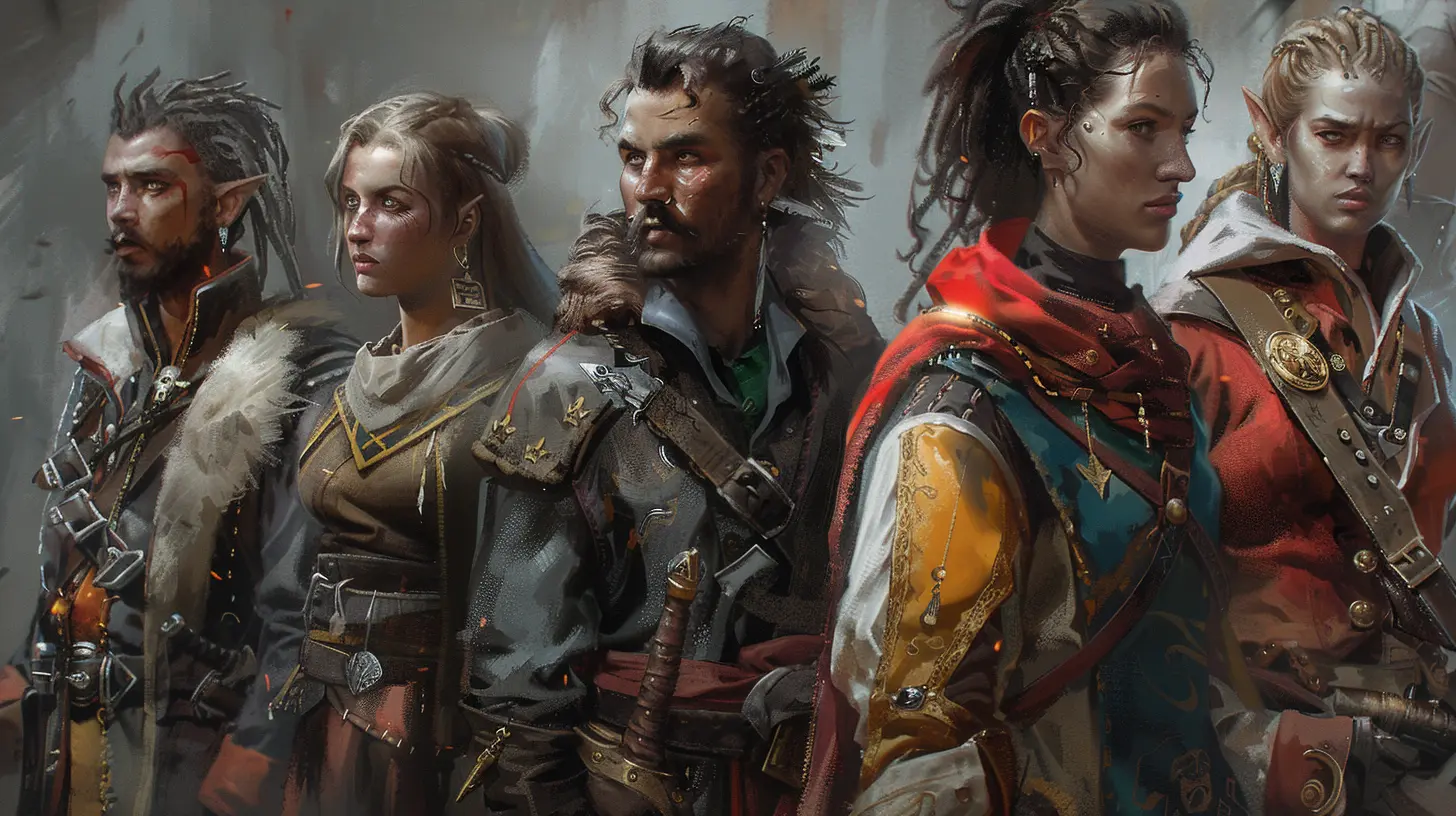
Backstories Build Bonds
Okay, buckle up—this is where things get deep.A compelling backstory does more than fill in lore gaps; it makes you care. Why does this warrior fight? Why is the villain so twisted? When characters have rich, relatable histories, it deepens the connection between player and game.
Let’s be honest, we all love a good redemption arc or tragic past. Whether it’s Joel from The Last of Us or Arthur Morgan from Red Dead Redemption 2, their backstories invite empathy. And empathy? That’s what keeps you playing at 3AM even though you’ve got work in the morning.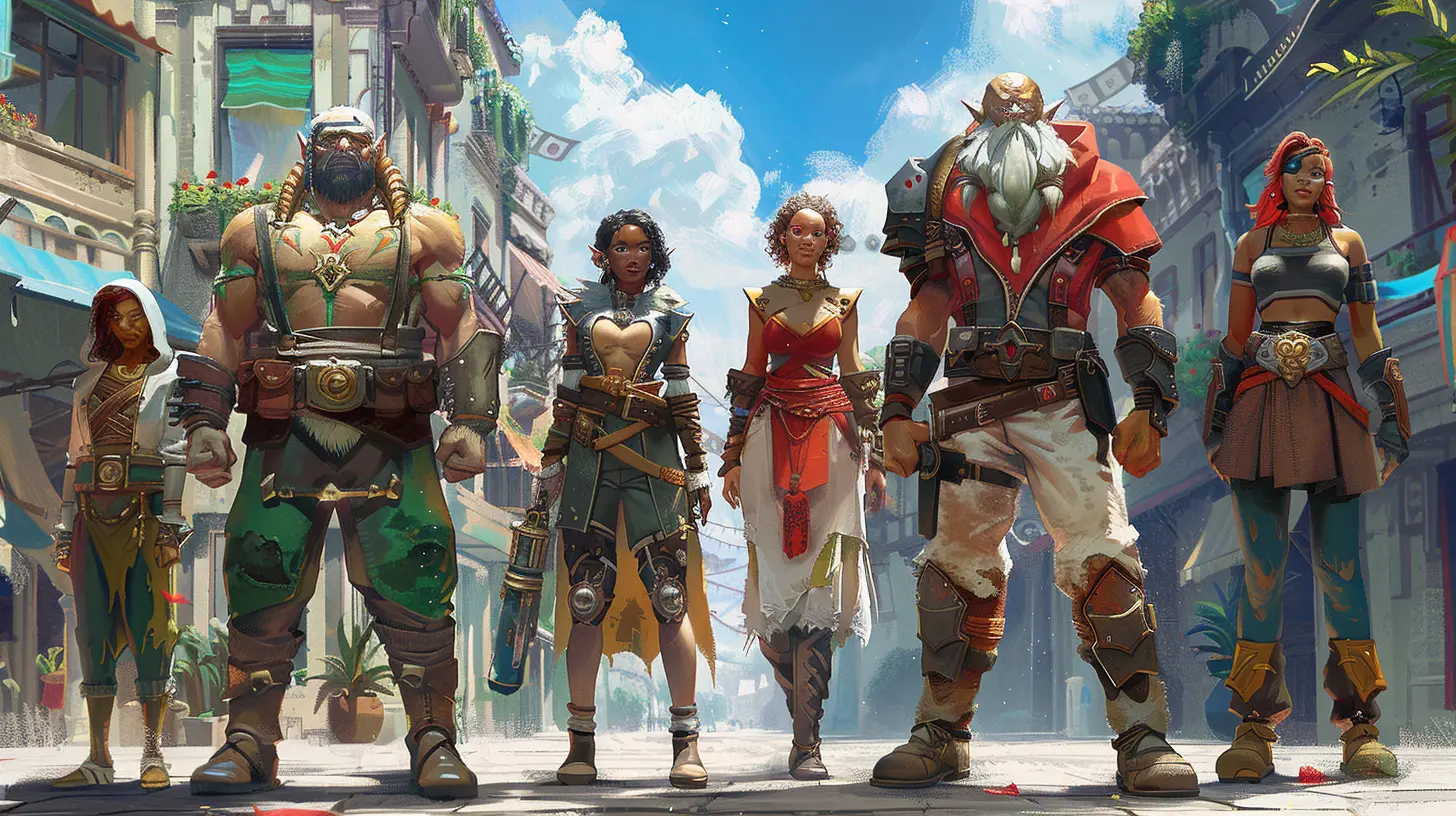
Customization: Creating “Your” Version
One of the most satisfying features in games today? Customization.Appearance Customization
Letting players tweak their character’s look isn't just about aesthetics—it’s about identity. Whether you're fine-tuning every facial feature in an RPG or choosing gear in a battle royale, you’re injecting yourself into the game world. And when you’ve built that character from scratch? You’re more likely to care about them.Skill Trees and Playstyles
Beyond appearance, designing how a character plays allows for deeper engagement. Maybe you prefer stealth over brute force, or magic over melee. Games like Skyrim or Cyberpunk 2077 thrive on this flexibility. When a character matches your playstyle, it’s a match made in gaming heaven.Emotional Connection and Narrative Impact
Great character design makes us feel. Joy. Rage. Sorrow. Triumph.Emotional Arcs
Think of Aerith in Final Fantasy VII. Her tragic end isn’t just a plot twist—it’s a gut punch. Why? Because the game builds her up as someone worth caring about. Her character design—innocent smile, gentle nature, quiet strength—sets you up to be emotionally invested.Companion Dynamics
Sidekicks and teammates matter, too. Characters like Ellie from The Last of Us or Atreus from God of War evolve through their relationship with the main character. These dynamics can turn a good game into a masterpiece.Diversity and Representation: Feeling Seen
Representation in games isn't about checking boxes—it’s about connection.Inclusive Design
When players see characters who look like them, share their struggles, or represent their culture, it creates a powerful bond. The rise of diverse characters in games today—whether in ethnicity, gender identity, or physical ability—is a step towards making everyone feel welcome in the gaming world.Accessibility in Character Design
It’s also worth noting how some games design characters to be more accessible—using clear visual cues or adaptable mechanics to let more players enjoy the experience. It might not always be flashy, but it’s crucial for inclusivity.Iconic Characters Define Franchises
Let’s play a quick game. Think “Halo”—you thought of Master Chief, right?Successful characters are the franchise. They become the face of the brand, selling merch, starring in spinoffs, and even jumping into other media like movies or comics. That’s the power of good design.
From Mario’s mustache to Kratos’ tattoos, these little details fuel an empire. And while graphics and gameplay evolve, iconic characters keep us loyal to a series for decades.
Character Design in Multiplayer Games
You might think single-player stories hog all the character love, but multiplayer games depend on strong character design too.Readability in Competitive Games
In fast-paced games like Overwatch or Apex Legends, clear character design helps with teamwork and awareness. Each character has a distinct silhouette, color scheme, and sound profile. You can tell who’s who at a glance, which is critical when the action gets heated.Character Personalities and Lore
Even in multiplayer battles, players crave lore. Think about how Riot Games builds entire backstories for League of Legends champions. It adds depth to what could have been just another pick in the roster.Evolution of Design: Adapting Over Time
Characters evolve—and they should.As franchises grow, so do their heroes. Tomb Raider’s Lara Croft started as a blocky icon but gradually became a well-rounded, emotionally complex protagonist. These changes reflect not just tech improvements, but shifts in audience expectations and societal norms.
A character that adapts stays relevant—and that’s the secret sauce to longevity.
Player Choice and Agency
One last, but super important, piece: agency. When players get choices that affect a character’s journey, they feel more invested. Games like Mass Effect or The Witcher let your decisions shape the story. You’re not just playing the character—you become them.That connection? It’s priceless.
Final Thoughts: Why Character Design Is More Than Just Looks
Here's the bottom line: character design is way more than flashy outfits or cool weapons. It’s a complex mix of art, psychology, storytelling, and gameplay that shapes how we feel about the game itself.Next time you boot up your console or PC, take a moment to really notice how the characters are designed. Ask yourself: Why do I like this character? What makes them stand out? Odds are, it’s more than just their in-game stats.
Because in the end, great characters don’t just exist in the game—they live in our memories.
all images in this post were generated using AI tools
Category:
Video Game CharactersAuthor:

Brianna Reyes
Discussion
rate this article
2 comments
Vera Bowers
Great insights! Character design truly shapes our journey.
December 3, 2025 at 3:33 AM
Brianna Reyes
Thank you! I'm glad you found the insights valuable—character design indeed plays a crucial role in enhancing player experience!
Zorion McManus
Character design is like the sprinkles on a cupcake; it transforms a basic treat into a delightful experience! Just imagine a sad cupcake with no sprinkles—bland and forgotten. Let's explore how vibrant characters elevate our gaming feasts!
December 2, 2025 at 4:49 PM
Brianna Reyes
Absolutely! Just like sprinkles add joy to a cupcake, unique character design enhances immersion and connection in gaming. It transforms a simple story into an unforgettable adventure!