Graphics vs. Gameplay in Today’s Remastered Releases
1 June 2026
Let’s be honest — we all get a little hyped when a classic game we loved as kids is getting the “remastered” treatment. We imagine our nostalgia-fueled memories coming to life with jaw-dropping visuals, more fluid animations, and modern performance boosts. But when it finally drops… is it really better? Or did it just get a shiny new coat of paint while leaving the heart of the experience untouched — or worse, broken?
That brings us to this age-old, yet still hotly debated topic: Graphics vs. Gameplay in today’s remastered releases. Which truly matters more in the long run? Should developers spend more time fine-tuning gameplay mechanics or obsessing over real-time reflections and 4K shadows?
Let’s break it down.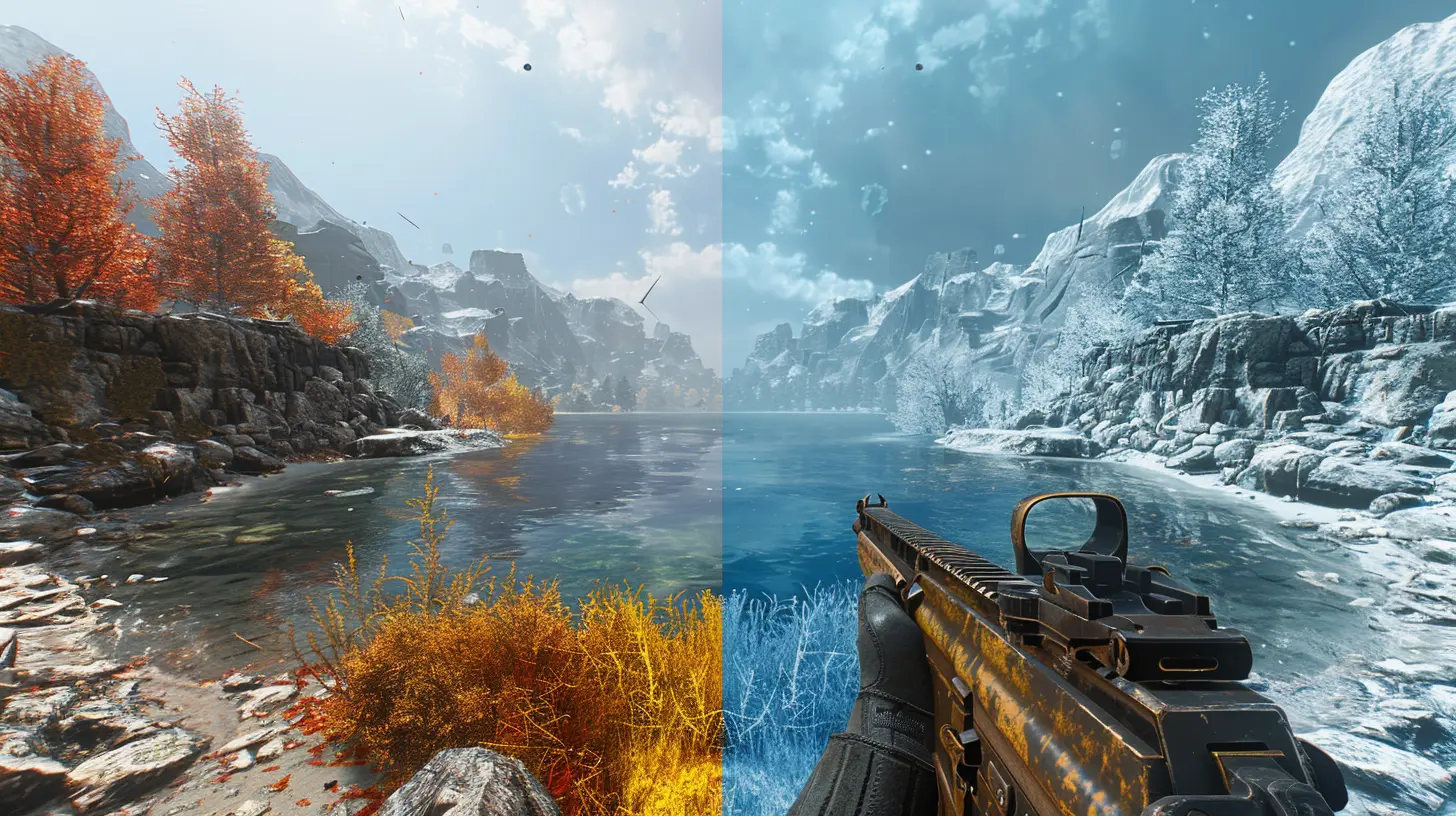
The Nostalgia Trap: Why Remasters Happen
We’re living in a golden age of remasters — and for good reason. Bringing back beloved titles from decades ago is a surefire way to tap into that sweet blend of nostalgia and modern gaming desires. It’s a win-win, right?Well, sort of.
What often happens is that publishers bank on the name of the game rather than committing to the soul of what made it great. They slap on updated textures, boost frame rates, and maybe remix the soundtrack a little. But if the game had clunky controls back then and they’re still clunky now… what’s the point?
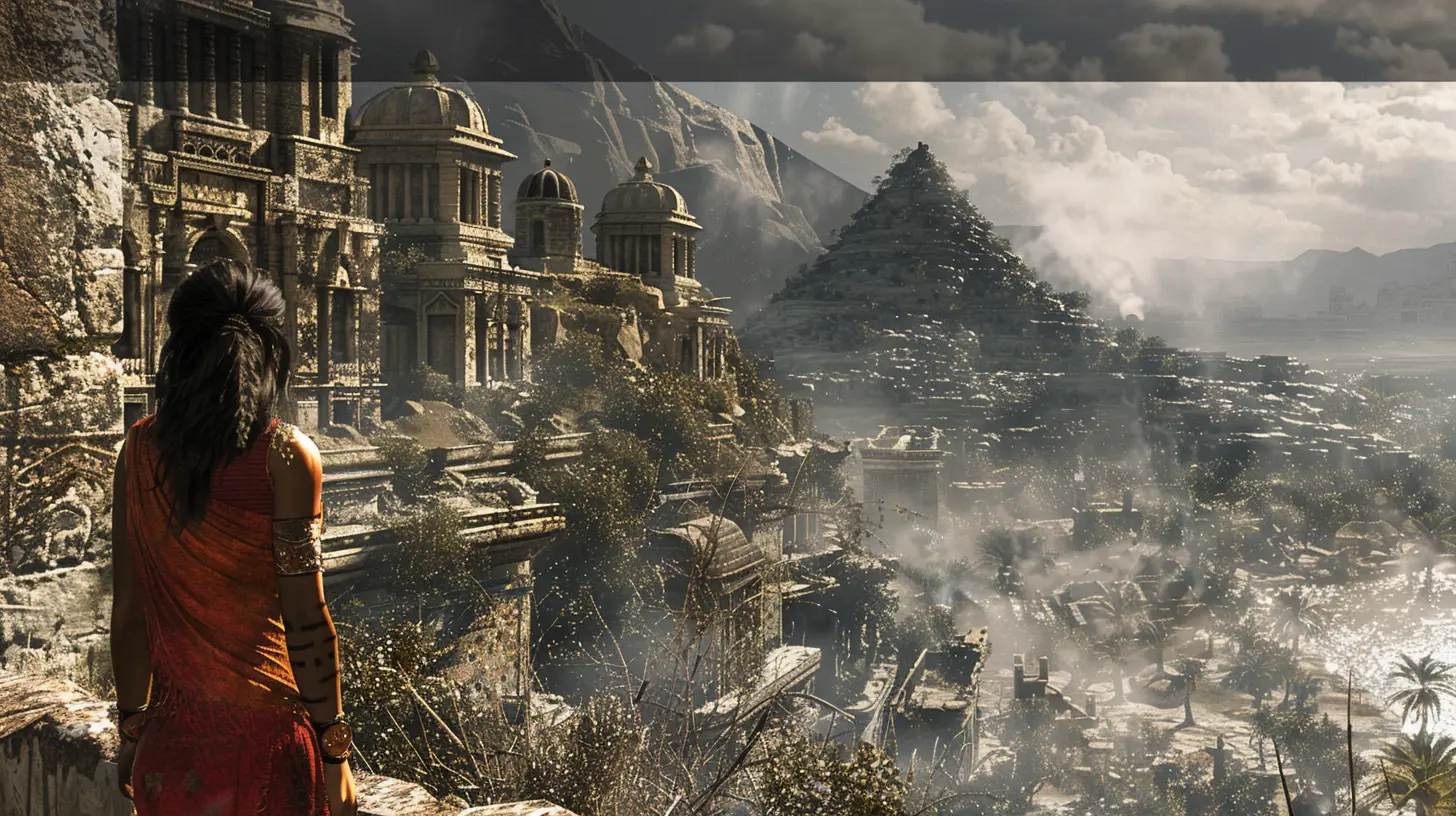
The Visual Glow-Up: How Important Are Graphics?
Let’s not pretend that visuals don’t matter. In fact, good graphics can make or break a game’s first impression. Imagine booting up a remaster of an early 2000s game with muddy textures and stiff animations. That magic you remembered? Poof. Gone.Modern graphics are undeniably stunning — ray tracing, higher resolutions, updated lighting systems — they make environments feel alive. In games like Resident Evil 2 Remake or Final Fantasy VII Remake, updated visuals don’t just look better, they enhance tension and immersion. A zombie crawling out of the dark is way scarier in 4K.
But here’s the thing: pretty graphics won’t save bad gameplay. Ever.
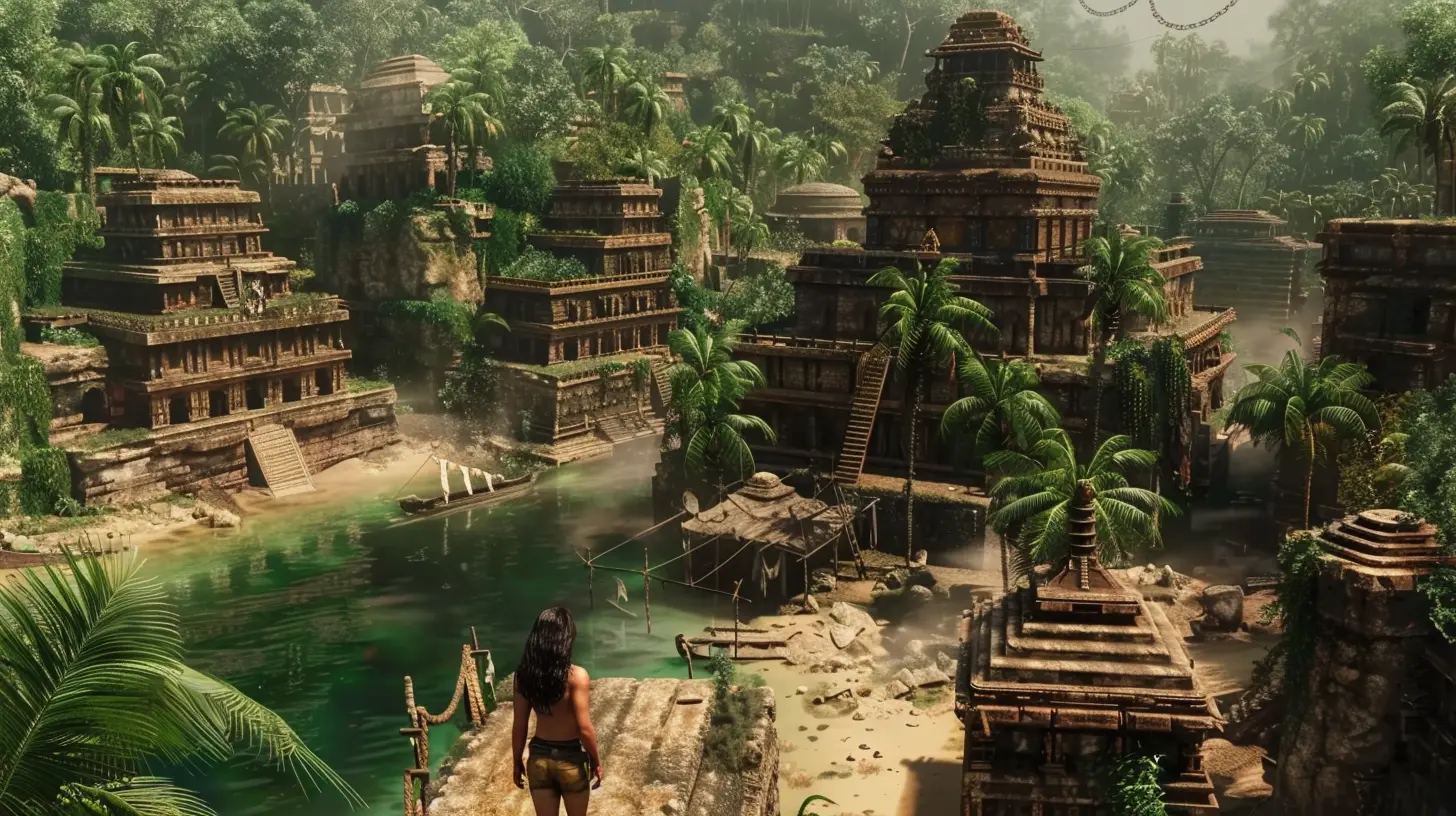
Gameplay Mechanics: The Real MVP
Think about the games you’ve sunk the most hours into. Was it because they looked good? Or because they felt right to play?The reason titles like The Legend of Zelda: Ocarina of Time or Dark Souls remain relevant despite their dated visuals is because their gameplay is rock solid. Tight controls, smart level design, and engaging systems stand the test of time.
When developers get too focused on visual upgrades and ignore outdated mechanics, it shows — and gamers notice. A polished turd is still a turd, right?
Case in Point: Warcraft III: Reforged
Ah yes, one of the most infamous remaster fails. Blizzard’s classic RTS got a graphical overhaul, sure — but it was plagued with missing features, broken multiplayer, and a messy UI. Fans were furious, and rightfully so. The core gameplay they loved had been diluted or flat out removed.The takeaway? You can’t just slap new textures on a game and call it a day.
The Best of Both Worlds
The good news is that not all remasters fall into this trap. Some developers get it. They understand that a great remaster needs a balanced recipe of visual upgrades and gameplay refinement.Let’s look at a few that nailed it.
Resident Evil 2 Remake
This wasn’t just a remaster — it was a full-blown reimagining. Capcom preserved the horror vibes and story of the original but rebuilt the gameplay from the ground up. The fixed camera angles were gone, replaced with modern third-person shooting. It felt fresh, scary, and smooth — like a whole new experience with the same bones.Shadow of the Colossus (PS4)
Bluepoint Games knows remasters. In Shadow of the Colossus, they didn’t mess with core mechanics too much, but everything was smoother, sharper, and far more atmospheric. It kept the feel of the original but didn’t make you wrestle with a clunky camera just for the sake of authenticity.When Graphics Go Too Far
Here’s a weird truth: sometimes, better graphics make the experience worse.How? Let’s say an older horror game used low-poly models and fixed camera angles. The limitations actually added to the mystery and fear — your imagination filled in the gaps. Now, with hyper-realistic graphics, every shadow is lit just right, and suddenly the mystery is gone.
Plus, higher fidelity often leads to performance issues. A game that used to run fine on old hardware might now lag or stutter on modern PCs because the engine is trying to do too much.
A graphical overhaul can also mess with the artistic direction. Classic pixel art games like Chrono Trigger or Secret of Mana have been "remastered" with awkward 2.5D visuals that lose the magic of the original charm. It’s like coloring in a beautiful black-and-white photograph with neon crayons.
So, What Do Gamers Really Want?
It depends on who you ask.Some players want to relive their childhood experiences with modern bells and whistles. They want fluid animations, dynamic lighting, and maybe some modern accessibility features like auto-save or rebindable controls.
Others think if the gameplay doesn’t hold up anymore, maybe the game should stay in the past.
And then there’s the hardcore purists — the folks who want literally nothing changed. “Give me the original with better resolution and leave it alone!”
So, what's the sweet spot?
Developers need to walk a fine line — honor the source material, but modernize it just enough to make it fun again. It’s about fixing the cracks without repainting the whole picture.
Should Gameplay Always Come First?
Short answer? Pretty much, yeah.Look, visuals draw us in, but gameplay is what keeps us hooked. You can have the most jaw-dropping visuals in the world, but if your controls suck or your game balance is off, players will bounce faster than a bad launcher on Steam.
A good rule of thumb: if you have to choose, always choose gameplay. Because a well-designed game with average visuals is still fun. But a gorgeous game with broken mechanics? That’s just frustrating.
Lessons for Game Developers
If you're a dev working on a remaster (or dreaming of making one someday), here’s the takeaway:- Don’t just upscale — update. Smooth out the clunky menus, fix the bugs, and tighten the controls.
- Keep the spirit of the original. Don’t turn a survival horror game into a run-and-gun shooter just because it looks cooler.
- Let nostalgia inform design decisions, but don’t let it hinder innovation.
- Include QoL (quality-of-life) improvements — auto-saves, better UI, faster load times — but don’t dumb down the core systems.
- Respect what made the game iconic in the first place, or you risk alienating its biggest fans.
The Verdict: Is One More Important Than the Other?
If we had to choose? Gameplay wins. Every single time.Graphics are like the sprinkles on top of your favorite donut. They make everything more appealing, sure. But if the donut itself is dry, tasteless, or stale... no amount of glittery sprinkles are going to save it.
Remasters should aim to be more than just prettier versions of the original. They should feel fresh, refined, and worth playing in today’s gaming landscape.
In the end, the best remasters don’t force players to choose between gameplay and graphics — they offer both, and then some.
So next time a beloved game gets announced as “remastered,” don’t just ask how it looks. Ask how it plays, too. That’s where the magic really happens.
Final Thoughts
Remastered games have the power to reintroduce classics to a new generation or allow longtime fans to relive their favorites in a new light. But if developers lose focus on what made those games great in the first place — solid, engaging, and thoughtfully crafted gameplay — then all the upgraded visuals in the world won’t matter.Let’s stop treating remasters like museum pieces that just need a polish. Instead, let’s aim for something better — a revival, not a rerun.
all images in this post were generated using AI tools
Category:
Remastered GamesAuthor:

Brianna Reyes
Discussion
rate this article
1 comments
Nyari Lee
While graphics can enhance immersion, gameplay remains the core of a game's appeal. Many remastered titles excel in visuals yet falter in mechanics, reminding us that nostalgia often hinges more on experience than on aesthetics alone.
June 10, 2026 at 3:42 PM
Brianna Reyes
I completely agree. Great graphics can draw players in, but without solid gameplay, the experience often falls flat. Nostalgia definitely ties back to how we felt while playing, not just what we saw.