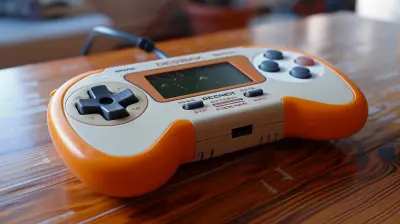
Gaming as Self-Care: Unwinding the Right Way
7 August 2026
Let’s be real for a second—life’s stressful. Between endless work emails, social obligations, and general adulting, it’s no wonder we all feel like we’re running on fumes most days. Self-care gets thrown around a lot as a buzzword, usually alongside bubble baths and yoga mats. But what if I told you firing up your favorite game could be just as relaxing—maybe even more?
Yep, you heard that right. Gaming as self-care is a real thing, and it's time we start giving it the credit it deserves. Whether you’re a casual mobile gamer, a weekend console warrior, or someone who lives and breathes PC builds, you’re doing more for your mental health than you might think.
Let’s dive into how gaming can be a legit part of your self-care routine—and how you can do it the right way.
What Is Self-Care, Really?
Before we get to the good stuff, let’s get clear on what self-care actually is. It’s not just spa days and green smoothies. Self-care is about intentionally doing things that help you feel good—mentally, emotionally, and physically.It’s about recharging your battery so you don’t burn out. And with the rise of burnout culture and the glorification of being “so busy,” we seriously need to start treating self-care like the non-negotiable it is.
Enter Gaming: Your Therapy in Digital Form
Gaming often gets a bad rap. People picture lazy couch potatoes, social isolation, or wasted time. But here’s the thing—when approached mindfully, gaming can give your brain the same kind of release that meditation or journaling might. It’s all about how you use it.Let’s break down why gaming could actually be one of the most effective forms of modern self-care.
The Mental Escape We All Need
We all daydream about escaping real life sometimes. Traffic jams, stressful meetings, awkward social interactions—it piles up fast. Video games offer an instant mental vacation. You can go from a chaotic Monday to building your dream island in Animal Crossing in minutes.Gaming creates immersive worlds where you can temporarily forget your worries. That’s not running away from problems—it’s letting your brain breathe.
Ever Tried Slaying Stress with a Controller?
Whether it’s swinging through New York City as Spider-Man or solving ancient puzzles in Tomb Raider, your mind gets locked into a different reality. That kind of focused engagement is actually good for your brain. It’s called “flow state,” and it’s the sweet spot where you’re challenged enough to stay interested but not so much that you’re overwhelmed.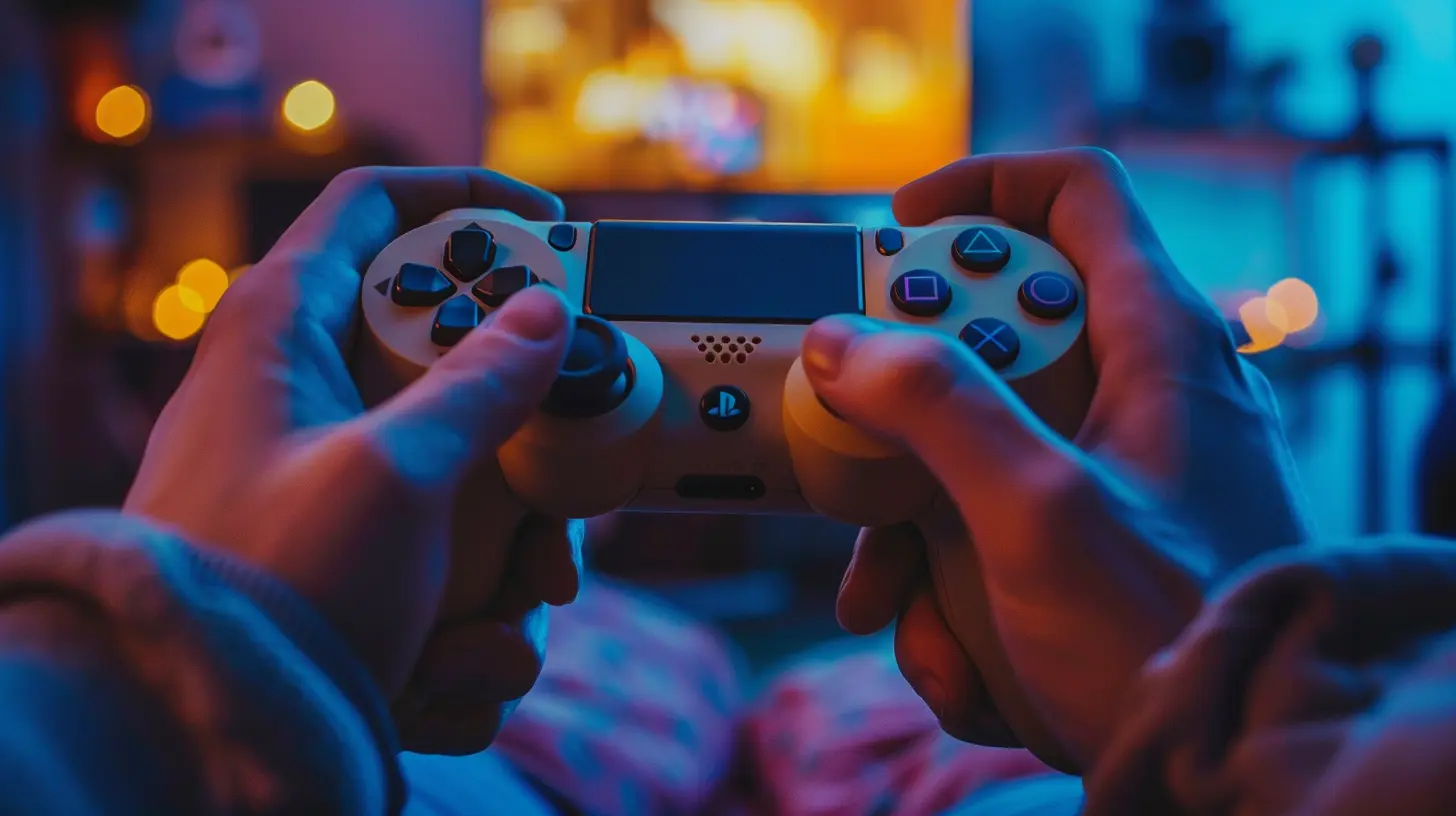
Stress Relief Without the Side Effects
Let’s face it. Most stress-relief activities come with hurdles. Meditation sounds great until your brain won’t shut up. Working out is awesome, but not everyone wants to hit the gym at 6 AM. Gaming, however, is easy to access and builds engagement fast.You don’t need fancy equipment or hours of free time. Even 20 minutes of playtime can feel like a reset button on your day. Not bad for something that also happens to be a ton of fun.
Social Connection Without the Awkwardness
Not everyone likes small talk. Socializing can be exhausting, especially if you’re introverted or socially anxious. Online gaming makes connection easier, less awkward, and 100% optional.You can hop into a match of Fortnite, join a raid in Destiny 2, or explore dungeons in World of Warcraft—all while staying in your comfort zone. And the best part? You’re bonding over shared goals, not forced conversations.
Friends That Game Together, Stay Together
Multiplayer games build camaraderie. You learn to work as a team, solve problems together, and sometimes, just laugh your way through complete chaos. That sense of connection can seriously lift your mood and lower feelings of isolation.Control in a World That Feels Out of Control
Let’s be honest, the real world can be a bit much. Global news, personal problems, work deadlines—it’s a lot. Video games give you a sense of control. In games, there’s logic and predictability. You play, you level up, you improve.Unlike real life, games give immediate feedback and rewards. That can be hugely satisfying and confidence-boosting, especially when everything else feels out of your control.
Emotional Regulation: Games Can Help You Heal
It might sound wild, but games can actually teach emotional regulation. Role-playing games (RPGs) in particular let you experience different emotions in a safe way. You can grieve with a character, conquer fear in a dungeon, or feel joy at unlocking a new companion.Games can mirror real-life emotional journeys—sometimes more clearly than a self-help book ever could.
Story-Based Games = Therapy With Pixels
Titles like “Life is Strange,” “Celeste,” or “Journey” deal with themes like anxiety, depression, and grief. Playing through them can spark real emotional growth. You’re not just watching a story; you’re part of it. And that makes it hit harder, in the best possible way.Cognitive Benefits: Games Are Brain Candy
Okay, so gaming isn’t just emotional therapy—it’s a brain workout too. Puzzle games, strategy titles, and even action games demand focus, problem-solving, and quick thinking.Think of it this way: your brain is a muscle. And gaming is like the mental equivalent of leg day.
Here are a few benefits:
- Improved memory and cognitive flexibility
- Enhanced decision-making speed
- Better hand-eye coordination
- Problem-solving under pressure
So yeah, that late-night session of Tetris might actually be doing you more good than you think.
The Right Way to Game for Self-Care
Alright, so now that we’ve established that gaming can be a powerful self-care tool—how do you do it right?Because let’s be honest, too much of a good thing can easily turn into a bad thing. Including gaming.
Here’s how to keep it healthy.
1. Set Time Limits
Gaming should help you recharge—not take over your life. Use timers, in-game warnings (some games even come with built-in reminders), or just a simple alarm to keep sessions in check.Balance is everything. Play, enjoy, then log off.
2. Choose Games That Uplift You
Self-care gaming should leave you feeling calm or happy—not frustrated or drained. If a game is too intense, rage-inducing, or mentally exhausting, it’s not helping your mental health.Stick to titles that make you feel good. Cozy, story-rich, or relaxing games are ideal.
3. Avoid Toxic Communities
Online gaming communities can be amazing—or super toxic. Avoid drama, mute annoying players, and prioritize positive spaces. Your peace is too valuable to be sabotaged by trolls.4. Mix It Up
Don’t stick to just one type of game. A good self-care mix might include:- A relaxing casual game (think Stardew Valley or Minecraft)
- A feel-good RPG like Pokémon
- A fast-paced shooter for blowing off steam
Shake it up to keep things fresh and effective.
Games That Are Perfect for Self-Care
Looking for some good titles to add to your self-care rotation? Here’s a quick list to get you started:Cozy & Relaxing
- Animal Crossing: New Horizons- Stardew Valley
- Spiritfarer
- Unpacking
Emotionally Healing
- Journey- Life is Strange (Series)
- To The Moon
- Gris
Cognitive & Puzzle-Based
- Tetris Effect- The Witness
- Baba Is You
- Portal 2
Fun & Social
- Fortnite- Overcooked! 2
- Among Us
- Minecraft (with friends)
What If You’re Not a "Gamer"?
No worries, you don’t have to be. Gaming for self-care isn’t about being hardcore or beating high scores. Start with something simple. Mobile games count too! You’d be surprised how therapeutic a quiet afternoon of Candy Crush or Monument Valley can be.And hey, if you’re curious, there’s a whole world of laid-back games out there just waiting to win you over.
Final Thoughts: Gaming Is Self-Care, If You Let It Be
Gaming isn’t just a guilty pleasure or a way to kill time—it can be your personal escape pod, your emotional safety net, and your brain’s favorite playground.Just like any self-care tool, it’s all about how you use it. When done mindfully, gaming can reduce stress, boost your mood, help you process emotions, and even make you feel more connected to others.
So next time someone tells you to “log off and touch grass,” just smile and know that your digital world might be the exact break your mind needs.
Game on—and take care of yourself.
all images in this post were generated using AI tools
Category:
Gamer LifestyleAuthor:

Brianna Reyes