Exploring the Morality of Monetizing Old Games Through Remasters
7 May 2026
Alright, gamer friends, pull up a virtual chair and let’s talk about something that’s been stirring up some serious pixelated drama: the ethics (yes, the big E word) of remastering old video games and slapping a price tag on them. You know what I’m talking about. That classic game from your childhood gets a fresh coat of graphical paint, and suddenly it’s marked up like someone dipped it in gold and nostalgia.
But is it shady? Is it smart? Is it downright genius? Let’s dive deep into this digital soup and figure out whether game remasters are an honest hustle or a cash-grabbing cheat code.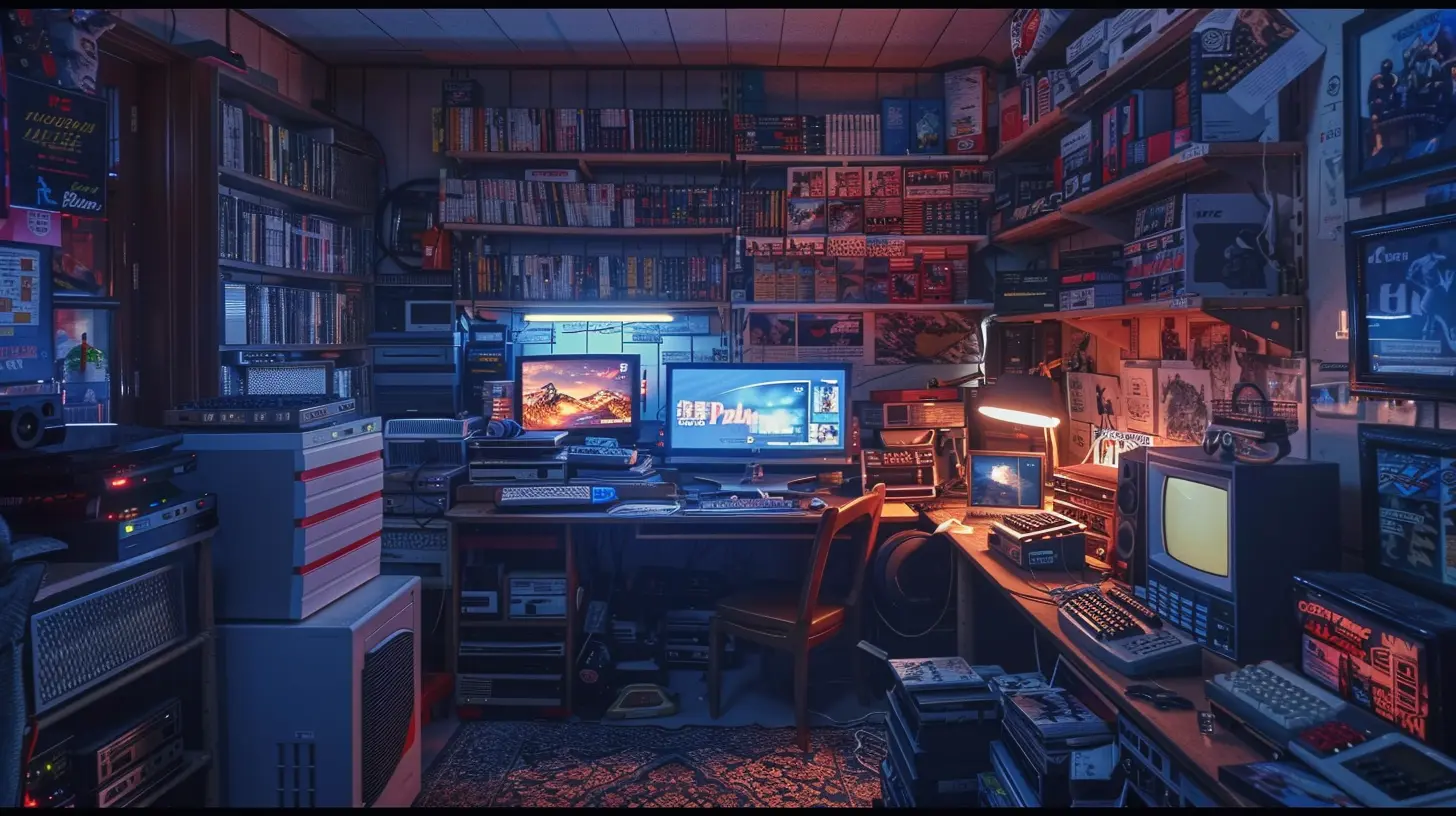
What the Heck Are Remasters Anyway?
Before we go judging like we’re in an RPG courtroom scene, let’s make sure we’re all on the same loading screen. A remaster is basically an older video game that gets updated—maybe with better graphics, smoother frame rates, upgraded sound, and sometimes some added content. Think of it like putting a shiny new skin on an old skeleton.Now remember, that’s different from a remake, which is more like gutting the original and building it from the ground up. A remaster might still have Grandpa Polygon’s janky elbow movements—but now with high-definition jank.
The Nostalgia Factor: Our Wallet's Kryptonite
Okay, confession time. How many times have you bought the same game more than once? (Yeah, I’m looking at you, six-time Skyrim buyer.) Don’t worry, you’re not alone. Nostalgia hits us like a surprise boss fight—and boy, does it hit hard.These remasters prey on our warm fuzzy feels. They whisper, “Remember that time you beat this at 2AM with snacks and no responsibilities? Relive it… for just $59.99!” And guess what? We fall for it. Every. Single. Time.
But here’s the kicker: Does that emotional manipulation make remastering immoral? Or are we actually just grateful to relive gaming glory days without needing a CRT TV and a controller held together by hope and duct tape?
When It Feels Right: The Good Side of Remastering
Let’s give credit where credit is due. Some remasters aren’t just lazy cash-ins; they actually give us a better gaming experience. Take “Shadow of the Colossus” for example. The remaster didn’t just slap on prettier mountains—they made climbing those stone beasts feel smoother, more immersive, and honestly less like fighting the camera over every cliff edge.Good remasters do a few things really well:
- Preserve the original charm. The game still feels like what you remember, just shinier.
- Fix the bugs. (We’re looking at you, games that used to crash mid-boss fight.)
- Make the game accessible. Newer consoles, better frame rates, sometimes even added subtitles for folks who need them.
In these cases, it kinda feels like we're paying not for an old game, but for a cleaned-up, more functional memory. And honestly, that sounds pretty fair.
But Hold Up — Here’s Where It Gets Dicey
On the dark side of the moon (or maybe the loot cave), not all remasters are created with love and care. Some are just lazy. And when you start feeling like the company pressed Ctrl+C, Ctrl+V, and just changed the title screen—then charged full price? That’s when eyebrows start raising higher than an elf archer’s agility stat.Here’s when remastering starts getting morally questionable:
1. Minimal Effort, Maximum Price
If all a company did was boost the resolution and slightly tweak the lighting, should it really cost the same (or more) than a brand-new game? I mean, imagine if a restaurant reheated last week’s lasagna, added a sprinkle of parsley, and charged you double. You’d riot in the Yelp reviews, right?2. Double (or Triple) Dipping
Some games get remastered more times than a boyband’s farewell tour. And it’s usually the same handful of titles. Meanwhile, other amazing gems sit in retro limbo with no updates, no ports, no love. It’s like game publishers are playing favorites—and we’re footing the bill.3. Paywalls for Nostalgia
Sometimes, companies take games that were once available (or even free!), slap on a new intro screen, and boom: now it’s locked behind a paywall. That’s like your grandma charging you for cookies she already baked 15 years ago. Harsh.The Digital Ownership Dilemma
Wait—it gets messier. Thanks to the era of digital downloads and disappearing game libraries, remasters also shine a big ol’ Bat-Signal on the question of game ownership. If you bought the OG game years ago, shouldn’t you get a discount? Or, heck, maybe a free upgrade?In some rare cases (shoutout to devs with hearts of gold), companies offer remasters as free updates. But that’s rare. Most of the time it’s "Buy it again, peasant!" And it raises the question: are these companies preserving gaming history… or just selling it back to us, one remaster at a time?
Remasters vs. Preservation: A Tale of Two Pixels
Here’s the real tea—remasters aren’t always about preservation. In fact, they often do the opposite. Instead of preserving the original game in a playable state, they bury it behind new graphics and forget it ever existed.This creates two big problems:
- Access for future gamers: If the legacy version vanishes from the market, then future generations can’t experience the game as it was.
- Authenticity: Sometimes changes in the remaster—new voices, redone music, character redesigns—alter the original vibe so much that it’s basically a remix.
Think about it: if someone replaced half the scenes in your favorite childhood movie, would it really be the same film? Or just a glossier imposter?
The Morality Question: Is Monetizing Fair?
Here’s the million-gold-coin question: is it morally okay to charge money for a remaster of something that already made profit ages ago?Well… it depends.
If a remaster actually adds value, improves accessibility, respects the original, and is priced reasonably? That’s fair. Everyone’s gotta eat—and devs deserve to get paid for their work. Even updating an old game takes time, effort, and resources.
But if it's a rehash designed solely to squeeze wallets dry, especially when no meaningful changes are made? That’s crossing into sketchy territory, my friend.
So, Should You Buy Remasters?
Here’s the friendly neighborhood gamer advice: use your XP wisely.- If a remaster is done with care, brings improvements, and makes you happy? Go for it. Gaming is about joy, after all.
- If it feels lazy, overpriced, or more like a nostalgia tax? Maybe sit that one out. Or wait for a sale, at least.
Just remember—you have the power. Not magical power (unless you're playing a wizard build), but consumer power. Voting with your wallet sends a message louder than any in-game horn of Gondor.
There’s Hope (And Humor) Yet
Look, video game companies aren’t evil. (Okay, some might flirt with the dark side, sure.) But most developers genuinely love what they do—and sometimes remasters are the only way they can keep their games alive while making rent.What we need is balance. Like a well-tuned RPG party, we need passion + preservation + ethics. If remasters are done right, they can be a beautiful bridge between generations. Just make sure they don’t turn into toll bridges along the way.
Final Thoughts: Let's Remaster Responsibly
So, is monetizing old games through remasters evil? Nah. Is it sometimes annoying? Definitely. But like anything in gaming, it’s all about how it’s done.At their best, remasters are like remixes of your favorite song—fresh, familiar, and fun to revisit. At their worst, they’re overpriced karaoke covers.
So next time you see an old favorite hit the shelves with a new glow-up, just ask yourself: “Is this worth my coin?” Then make your move like it’s your turn in a tactical RPG.
And if all else fails—wait for the Game of the Year Edition. You know it’s coming.
all images in this post were generated using AI tools
Category:
Remastered GamesAuthor:

Brianna Reyes
Discussion
rate this article
2 comments
Erica Kirk
Remasters should respect legacy while offering fair value to players.
July 17, 2026 at 5:10 AM
Lys Pace
Great article! It's fascinating to see how remasters breathe new life into classic games while raising questions about fairness and nostalgia. Balancing profit with respect for original creators and fans is a tricky game, but it's a conversation worth having. Thanks for sharing!
May 7, 2026 at 3:16 AM