Exploring the Connection Between Music and Gaming
17 August 2026
Gaming and music—two worlds that seem different on the surface but are deeply intertwined in ways that many of us often overlook. Whether it's the pulse-pounding beat of a boss fight, a calming melody in an open-world game, or a nostalgic track that instantly takes us back to our childhood, music plays an undeniably powerful role in how we experience video games.
In this article, we're diving headfirst into the fascinating intersection between music and gaming. We'll unpack how music shapes the gaming experience, explore the rise of rhythm-based games, and even touch on how gamers are turning into music fans—and vice versa.
So grab your headset, crank up the volume, and let's get into it!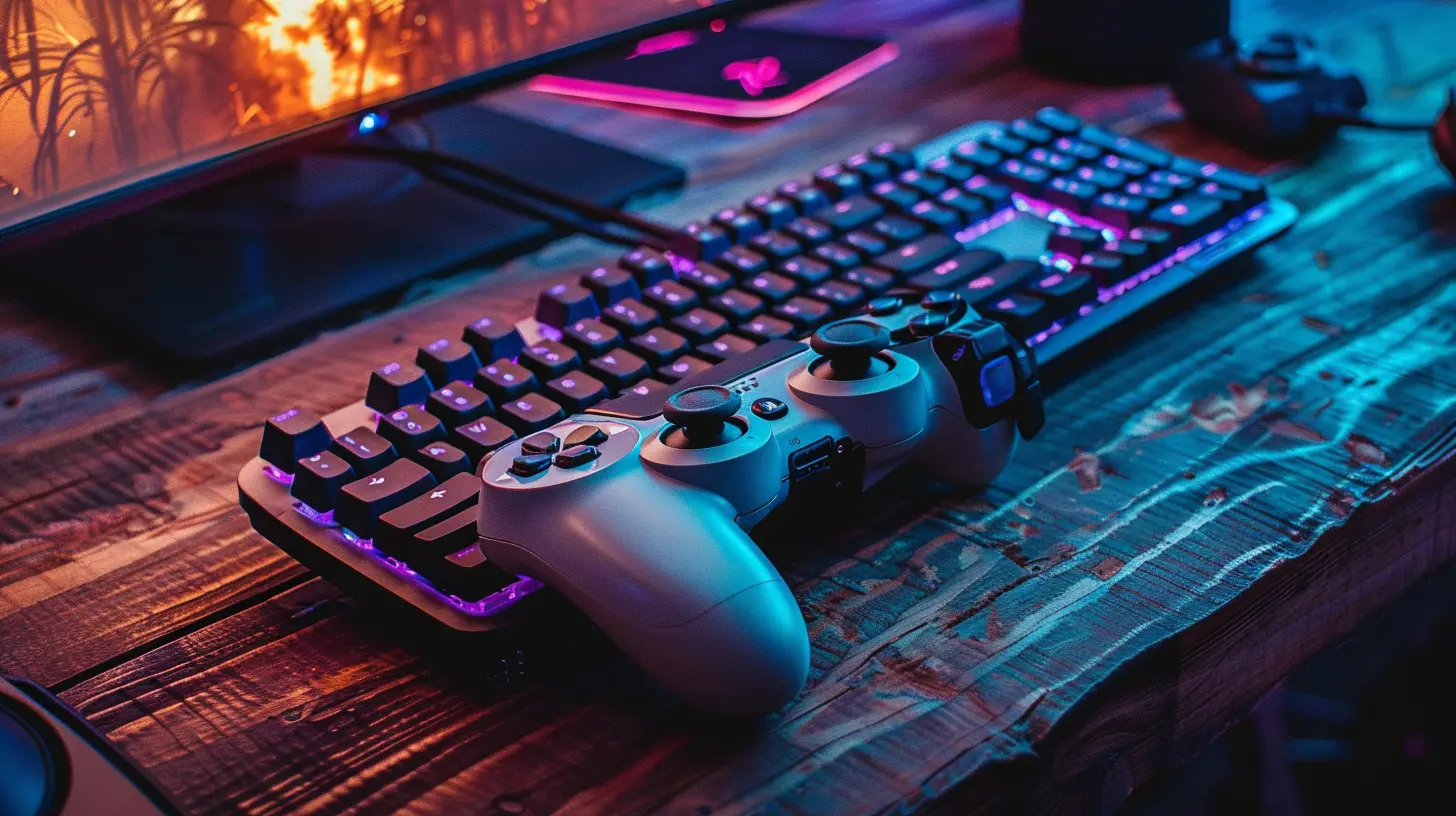
Why Music Matters in Games
Have you ever noticed how a game’s music makes you feel? That’s not by accident.Game developers know that music isn’t just background noise—it’s a tool. It sets the tone, guides your emotions, and even gives you cues about what’s coming next. Think of it like the soundtrack in a movie. It tells you when to be scared, when to feel sad, and when to get hyped.
Emotional Impact
Imagine playing a horror game with no creepy ambiance. It’d be weird, right? Music builds tension. It makes you hold your breath when you hear something eerie in the distance. On the flip side, joyous music in a platformer can make you feel like you're flying on a cloud.Games like “The Last of Us” or “Journey” use music not just to accompany scenes but to elevate them emotionally. That soundtrack becomes part of the story.
Enhancing Gameplay
Music also supports gameplay. In fast-paced games like “DOOM,” the soundtrack literally fuels the adrenaline. The more intense the scene, the heavier the guitar riffs. It keeps your heart racing and your fingers moving at lightning speed.Even in subtle moments, music guides you through the game. It can signal danger, hint at secrets, or let you know you’re on the right track.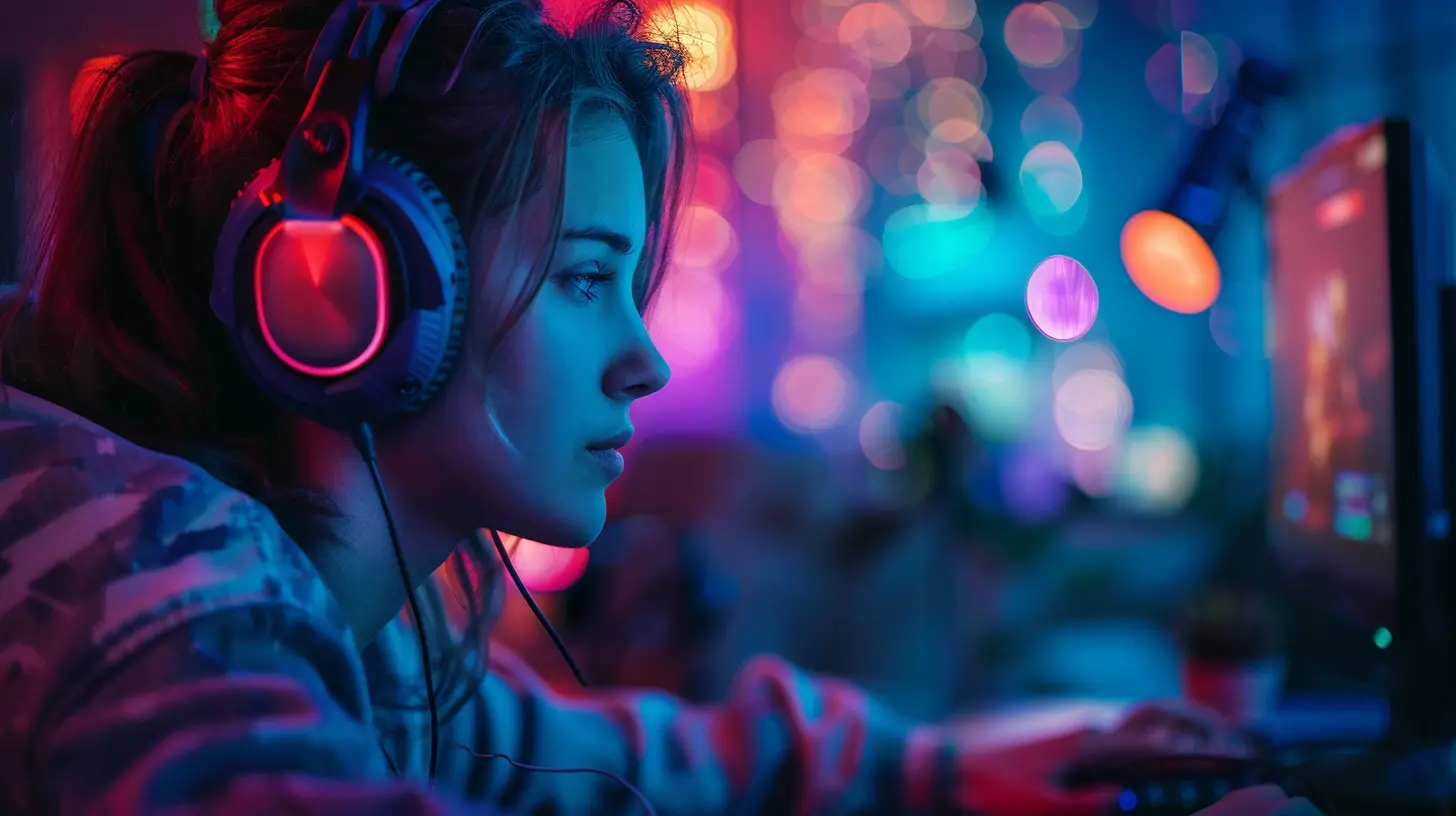
The Rise of Rhythm-Based Games
Let’s talk about rhythm games. These are titles where music isn’t just part of the experience—it is the experience.From “Guitar Hero” to “Beat Saber”
Who could forget the impact of “Guitar Hero” in the mid-2000s? Suddenly, everyone wanted to be a rockstar. Games like “Dance Dance Revolution” and “Rock Band” followed, turning living rooms into dance floors and concert stages.Then, newer titles like “Beat Saber” stepped in, combining VR with beat slicing in a visually mesmerizing spectacle. It's like the lovechild of lightsabers and a DJ set.
Why They Hit Different
These rhythm games don't just rely on good music—they rely on player interaction. You're not just listening; you’re part of the song. You’re hitting beats, following tempo, and feeling every note. It’s immersion on a whole new level.Plus, let’s be honest—it makes you feel kinda cool.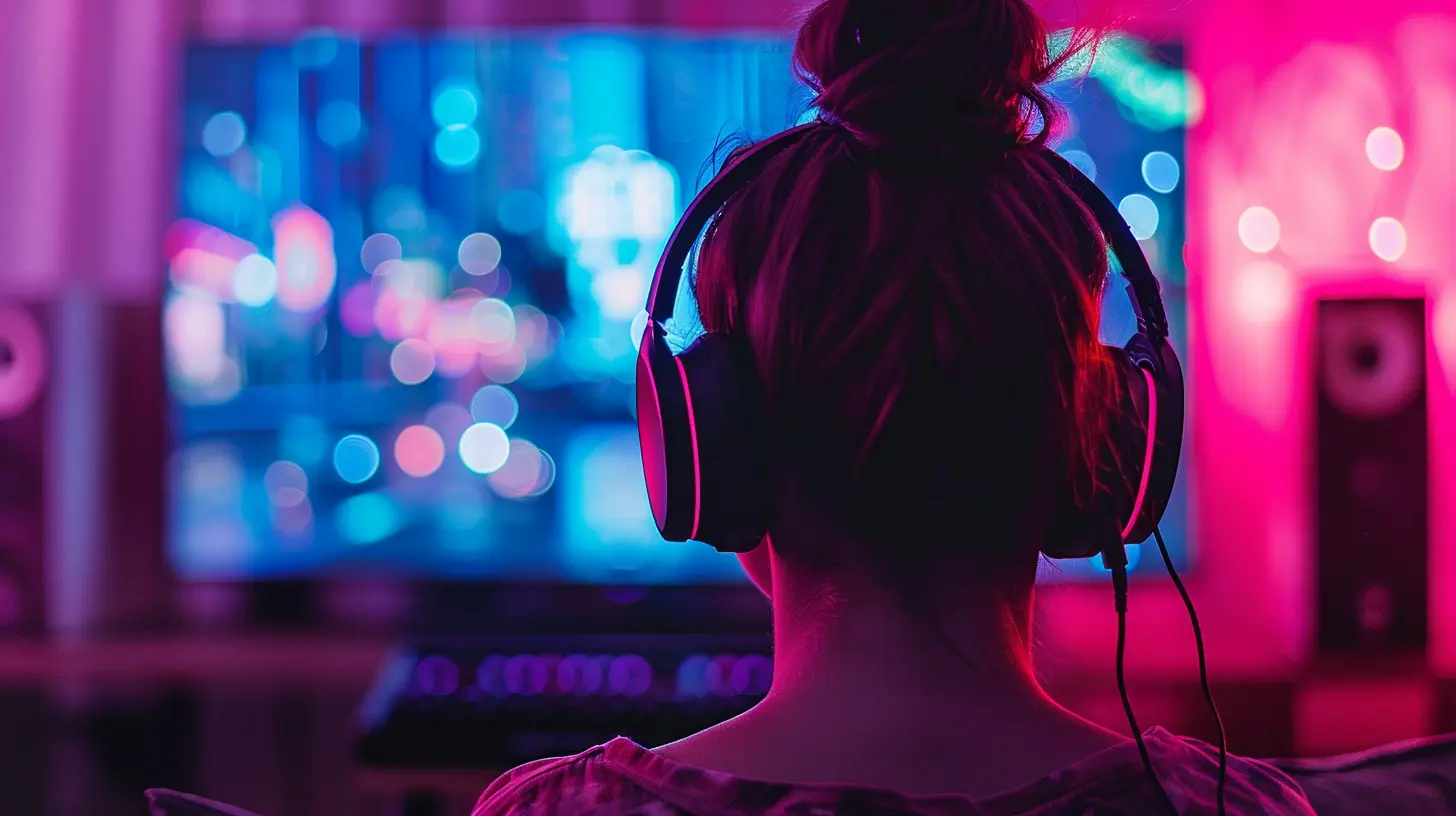
Music as a Storytelling Tool
Here’s where things get really interesting. In many modern games, music isn’t just flair—it’s a narrative device.Dynamic Soundtracks
Some games use dynamic or adaptive music systems. What does that mean? The music changes based on what you’re doing in the game. Think of “Red Dead Redemption 2” or “The Legend of Zelda: Breath of the Wild.” The tunes swell when you're in combat and fade back during calmer moments. The result? You feel like you're inside a movie that's reacting to you in real-time.Leitmotifs and Themes
Ever notice how certain songs are linked to specific characters or places? That’s called a leitmotif, and it’s an old movie trick that games have borrowed effectively.Take “Final Fantasy.” Each significant character or event often has its own musical theme. When those notes play, it immediately brings their story and emotions right back to you. It’s powerful stuff.
The Influence of Music Culture on Gaming
Let’s flip the script. Sure, games need music. But how has music changed because of gaming?Artists Jumping into Games
Lots of musicians are now getting involved in the gaming world. We've seen in-game concerts in “Fortnite” featuring big names like Travis Scott and Ariana Grande. These aren’t just gimmicks—they're massive events that draw millions of viewers.And beyond concerts, some artists are lending their music to game soundtracks, or even producing game-inspired albums. It’s a two-way street.
Gaming Soundtracks as Mainstream Music
Once upon a time, listening to game soundtracks might’ve seemed…well, nerdy. But now? Game music is Grammy-worthy (literally—did you know video game music has its own Grammy category now?). People stream full game OSTs on Spotify, attend live orchestra performances, and even remix tracks into EDM bangers.Video game music is having its moment, and it's loud and proud.
How Music Affects Player Behavior
Alright, let’s get into some brainy stuff for a sec.Believe it or not, music can seriously impact how you play a game—not just how you feel. Studies show that upbeat music can increase focus, enhance reaction times, and even improve memory. That’s wild, right?
Competitive Gaming and Music
Gamers are now curating their own playlists to get into the zone. Esports athletes often use high-energy tracks to pump themselves up before a match. It’s like how athletes use music before a game to get hyped—same idea, just digital.Different genres can even influence the way we play. Classical music might calm you down during a tough puzzle, while dubstep might give you that extra edge in a shooter.
Nostalgia and Musical Memory
Let’s be real for a moment. Hearing the Mario theme song or a track from “Pokémon Red” instantly transports you back, doesn’t it?Music and memory are powerfully linked. That’s why older songs from your favorite childhood games can make you feel all warm and fuzzy inside. It’s like opening a time capsule with your ears.
Game developers know this. That’s why you’ll often hear musical throwbacks in remakes or sequels. It’s a subtle way of saying, “Hey, remember this feeling?”
The Future of Music in Gaming
Looking ahead, the combo of music and gaming is only going to get cooler.AI-Generated Soundtracks
With the rise of AI and machine learning, we're starting to see experimental games where soundtracks are created on the fly. Imagine a game world where the music reacts not just to events, but to your mood, decisions, and even play style. Kinda wild, right?Full Musical Integration
We’re also seeing games that blur the line even further—titles where gameplay and music are practically inseparable. Think “Tetris Effect,” where your every move adds to the symphony. These games aren’t just music-themed—they are music embodied.Music Rights and the Streaming Dilemma
Okay, time for a bit of real talk.If you’re a streamer, you’ve probably run into issues with copyrighted music. While game soundtracks add depth to your experience, playing licensed tracks can sometimes land you in hot water. Developers are starting to create “streamer modes” or provide royalty-free music to sidestep this.
It’s a tricky balance. On one hand, we want high-quality tracks that hit different. On the other, we need to respect the artists—and the law.
The Takeaway
So, what’s the real connection between music and gaming? It’s everything.Music makes games memorable. It drives gameplay, shapes emotion, and adds layers to storytelling. It turns pixels into passion.
Whether you're tapping buttons to the beat, roaming vast landscapes with orchestras in your ears, or reliving childhood memories through 8-bit melodies, music’s role in gaming isn't just important—it’s essential.
And as technology evolves, that bond will only grow deeper. In a world where digital experiences keep expanding, music will always be the soul of the game.
Final Thoughts: Hit Play and Game On ??
Next time you fire up your favorite game, take a moment to just listen. Notice how the music shifts, how it makes you feel, and how it guides your every move.Because behind every epic moment, every nail-biting boss battle, and every tear-jerking cutscene... there's a soundtrack making it all come alive.
Now go ahead—hit play and let the music move you.
all images in this post were generated using AI tools
Category:
Gamer LifestyleAuthor:

Brianna Reyes