Esports Teams and the Evolution of Competitive Gaming
11 February 2026
In the last two decades, competitive gaming—or as most of us call it, "esports"—has grown from a niche hobby into a global juggernaut. It’s like watching the underdog transform into a champion while the world cheers along! Whether you’re a die-hard fan, a casual gamer, or someone who’s just curious about how esports became such a big thing, you’ve landed in the right place. Let's dive into the fascinating journey of esports teams and how they’ve shaped the crazy, electrifying world of competitive gaming.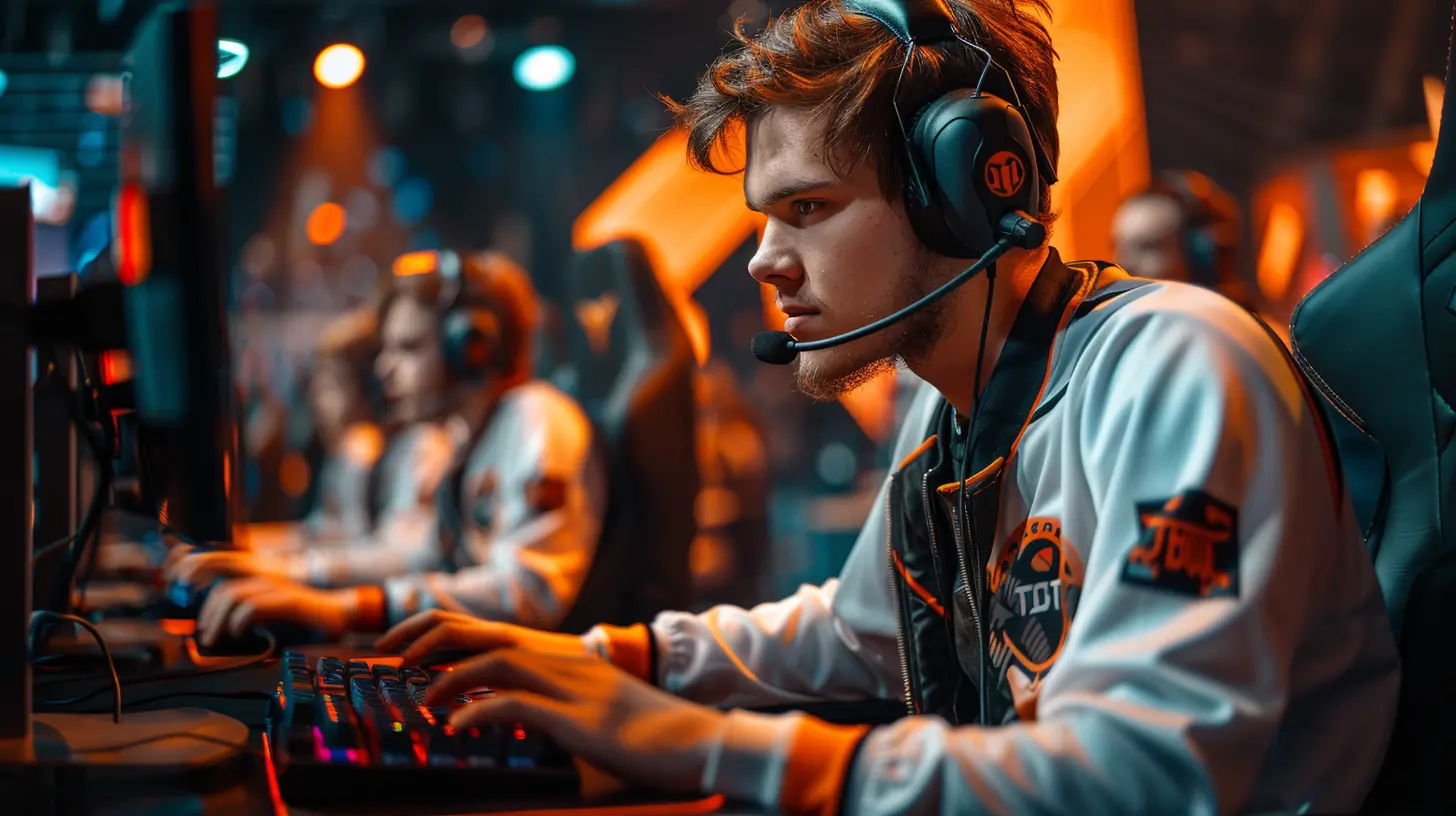
The Birth of Competitive Gaming: Humble Beginnings
Let’s rewind back to the late 1970s and early 1980s. Picture rows of arcade machines, joystick-clad teenagers battling it out for top scores, and the thrill of beating your rival by a measly point. That’s where competitive gaming really started, with games like Pac-Man, Donkey Kong, and Space Invaders giving players a platform to flex their skills.The first major gaming tournament happened in 1980 with Atari’s Space Invaders Championship, which attracted over 10,000 participants. Imagine—10,000 people playing a game that looks pixelated compared to today’s high-definition titles. But back then, this was revolutionary.
Fast forward to the 1990s, and things started heating up. With the rise of LAN parties and games like Doom and Quake, competition took a more team-oriented approach. Gamers began realizing that gaming wasn’t just about solo glory; it was about working as a squad to achieve victory—this marked the birth of esports teams as we know them today.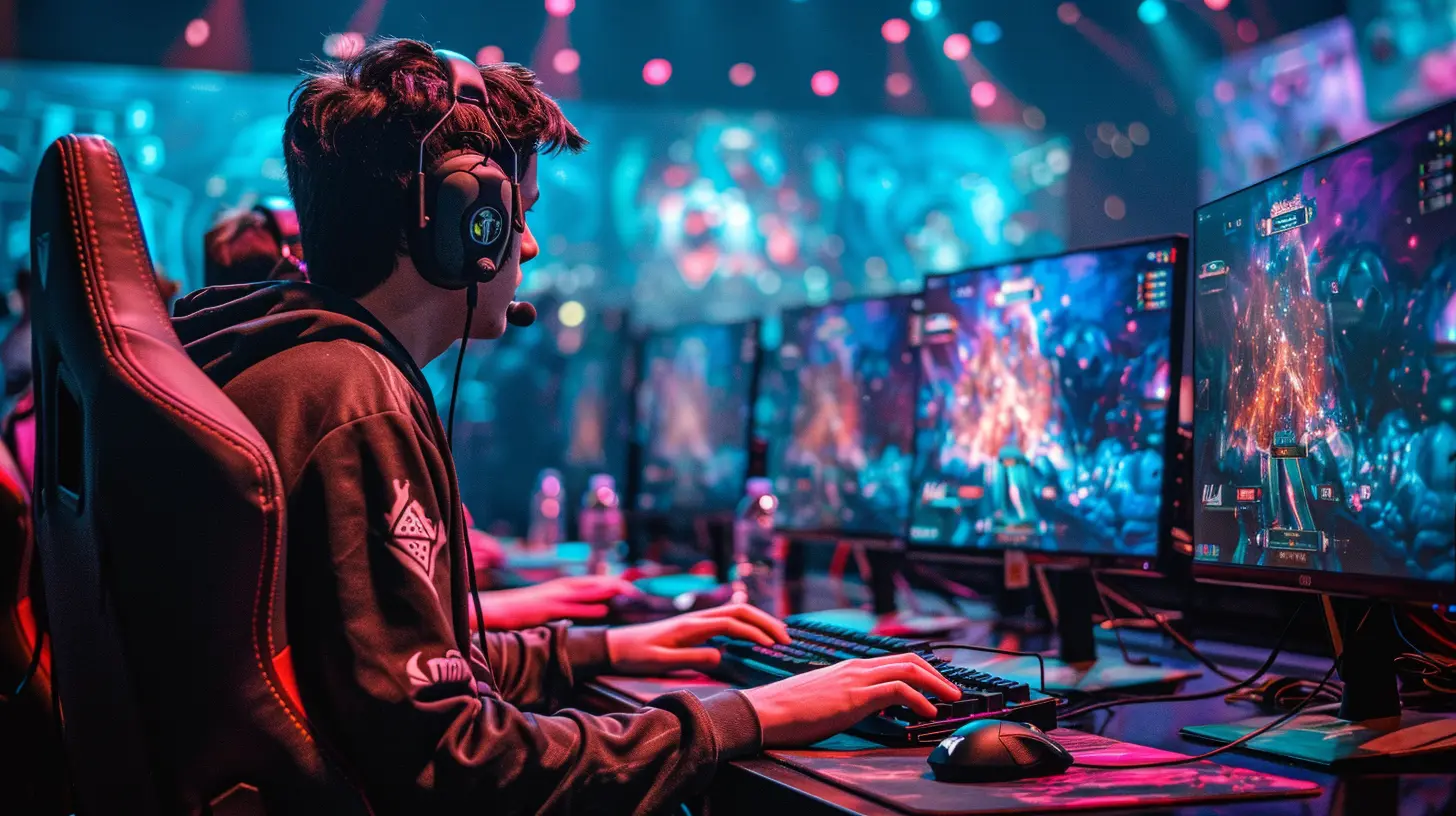
The Rise of Esports Teams: From Friends to Professionals
At first, esports teams were informal. It was just a group of friends who loved gaming and decided to team up. But as competitive gaming gained traction, these teams became serious business. Think of it as going from playing pickup basketball at the park to joining the NBA. Not quite the same vibe, right?By the late 1990s and early 2000s, teams like Team 3D, SK Gaming, and Fnatic started making a name for themselves. These were organizations that scouted talent, trained players, and even paid them salaries—a concept that seemed absurd at the time. People used to think, “Wait, you get paid to play video games?” (Spoiler: Yeah, they do. Big time.)
As games like Counter-Strike, StarCraft, and Warcraft III gained popularity, teams started competing on a global scale. South Korea, in particular, became a hotspot for esports, with StarCraft players achieving celebrity-like status. If you thought K-pop was Korea’s only cultural export, think again.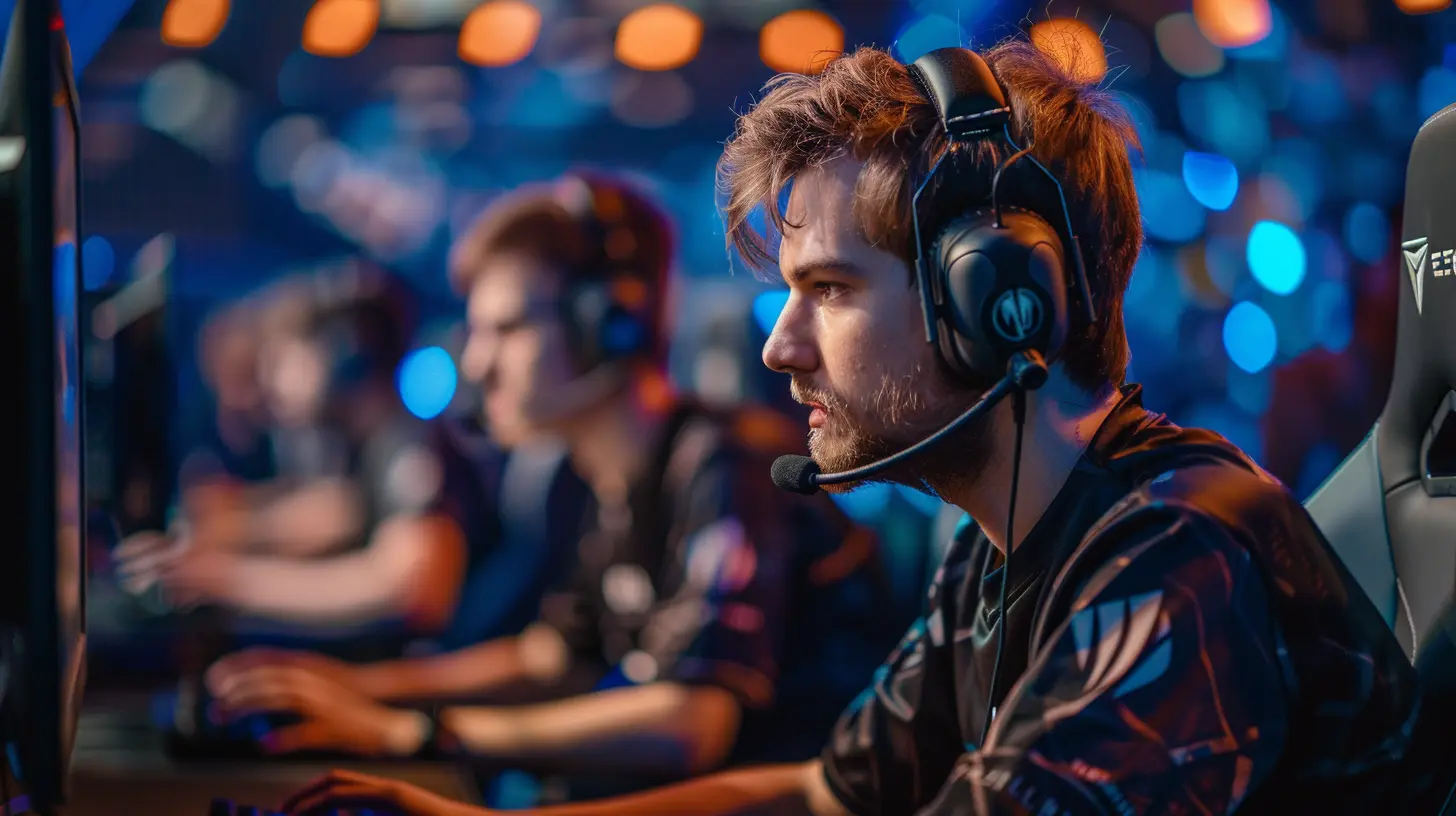
The Evolution of Competitive Gaming: From Basement Tournaments to Packed Arenas
If you’ve ever attended an esports event or even just caught one on a live stream, you know it’s a whole vibe. But it wasn’t always this glamorous. Back in the day, tournaments were often held in modest venues like hotel ballrooms, with small crowds and rudimentary setups. Today? We're talking sold-out arenas, pyrotechnics, and production quality that rivals the Super Bowl.What caused this explosive growth? A few factors played a role:
1. Streaming Platforms: Platforms like Twitch and YouTube Gaming allowed fans from around the world to tune in and watch their favorite players and teams in action. Suddenly, esports wasn’t constrained by geography—it became global.
2. Sponsorships and Investments: Big-name brands like Intel, Red Bull, and even car manufacturers like BMW jumped on the esports train. Their financial backing helped transform esports into a professional industry.
3. Game Publishers’ Involvement: Companies like Riot Games (League of Legends) and Valve (Dota 2, Counter-Strike) began organizing massive tournaments with jaw-dropping prize pools. Anyone remember The International 10 with its $40 million prize pool? That’s life-changing money.
4. The Rise of Franchising: Esports leagues began adopting a franchise model, much like traditional sports. Teams would "buy in" to secure slots in leagues like the Overwatch League or the Call of Duty League, creating stability and fostering growth.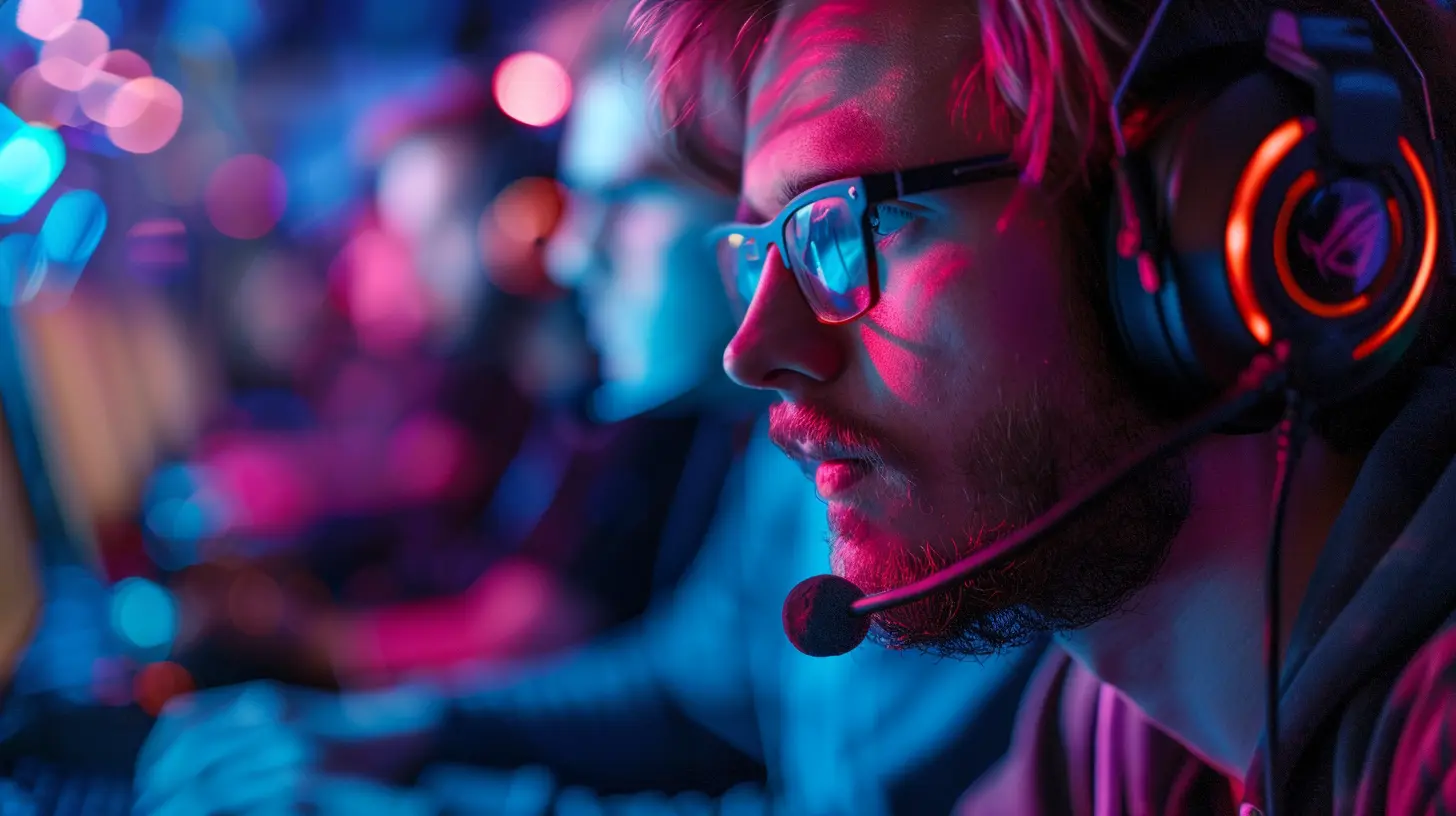
Modern Esports Teams: More Than Just Gaming
Today’s esports teams aren’t just about playing games—they’re full-blown brands. Teams like FaZe Clan, 100 Thieves, and G2 Esports have transcended competitive gaming to become cultural icons. They’ve dipped their toes into everything from content creation to fashion, proving that esports isn’t just a sport; it’s a lifestyle.But let’s not forget what happens behind the scenes. The modern esports team operates like a traditional sports franchise. They have:
- Coaches and analysts to hone strategies and improve player performance.
- Managers to handle sponsorships, contracts, and scheduling.
- Nutritionists and mental health professionals to ensure players are at their peak physical and mental condition. (Yes, even gamers need to stay healthy—no living off Doritos and energy drinks anymore.)
The Global Phenomenon: Esports Around the World
When you think about esports, it’s easy to focus on North America, Europe, and South Korea, but competitive gaming is a global affair. Every corner of the world has its own scene:- South Korea: The OG of esports culture. It’s where professional gaming became mainstream, and it remains the home of legends across games like StarCraft and League of Legends.
- China: With millions of passionate gamers and some of the world’s best esports teams (like Invictus Gaming and Royal Never Give Up), China is a powerhouse in titles like Dota 2 and mobile games such as Honor of Kings.
- North America and Europe: Home to iconic teams like Team Liquid, Cloud9, and Fnatic, these regions cover everything from first-person shooters to MOBAs.
- Southeast Asia and Latin America: These emerging regions are quickly making their mark, especially in mobile gaming. Titles like Mobile Legends: Bang Bang and Free Fire dominate the esports landscape here.
Challenges in Esports: It’s Not All Fun and Games
Of course, not everything is sunshine and loot boxes. The esports industry has its share of challenges. From burnout among players to controversies around pay and contracts, there’s still a lot of room for improvement.One significant issue is the lack of a unified governing body. With so many games and leagues, it can feel a little chaotic at times. Traditional sports like soccer and basketball have FIFA and the NBA—esports? Not so much.
Another big hurdle is breaking stereotypes. We’ve come a long way from the days when “gaming” was dismissed as a waste of time, but esports still struggles to gain the same level of respect as traditional sports. (Cue the endless “but is it a real sport?” debates.)
The Future of Competitive Gaming: Where Are We Headed?
So, what’s next for esports? Honestly, the sky’s the limit. With advancements in technology—think augmented reality tournaments and virtual reality games—the future of competitive gaming could literally feel out of this world (hello, Ready Player One vibes!).Plus, with even more younger generations embracing gaming as both entertainment and opportunity, esports will likely become even more mainstream. Who knows? Maybe one day, watching an esports match will feel as normal as tuning into the FIFA World Cup.
Closing Thoughts
Esports teams and competitive gaming have come a long way from their modest beginnings, evolving into a billion-dollar industry that unites people across the globe. Whether you're cheering for a favorite team, dreaming about going pro, or just watching for fun, one thing is clear: esports isn’t just a trend—it’s here to stay.It’s crazy to think how far we’ve come, but it’s even more exciting to imagine where we’re going. So, grab your controller, keyboard, or mouse, and let’s enjoy the ride.
all images in this post were generated using AI tools
Category:
Esports TeamsAuthor:

Brianna Reyes
Discussion
rate this article
2 comments
Sloane McNeal
Esports teams: the only place where you can spend hours perfecting your craft and still be told to 'get good' by someone named 'EpicNoob123'. Welcome to the evolution of competitive gaming!
February 15, 2026 at 5:01 AM
Brianna Reyes
Absolutely! The culture of esports embodies both dedication and playful banter, showcasing the unique blend of skill and community that defines modern competitive gaming.
Asher Walker
Awesome read! It’s incredible to see how esports teams have transformed competitive gaming into a global phenomenon. With so much creativity and skill on display, the future looks bright! Keep pushing boundaries, gamers – the world is watching you shine!
February 14, 2026 at 4:48 PM
Brianna Reyes
Thank you! I’m glad you enjoyed the article. The growth of esports is indeed exciting, and it’s inspiring to see how players and teams continue to innovate and captivate audiences worldwide!