Balancing Fun and Competition in Multiplayer Gaming
23 January 2026
If you're a gamer like me, you’ve likely had those intense sessions where you're either fist-pumping in victory or flipping your controller in frustration. Multiplayer gaming, whether it's a friendly match or an adrenaline-pumping ranked game, has always been about striking that tricky balance between having fun and embracing competition. But let’s be honest—sometimes, the scales tip too far one way or the other. So, how do we find that sweet spot where gaming stays enjoyable while still satisfying that competitive itch? Let’s dive into it.
Why Is Multiplayer Gaming So Addictive?
First off, multiplayer gaming is so much more than just pressing buttons and winning matches. It’s an experience, a test of skills, and sometimes, a chaotic laugh-fest. At its core, multiplayer gaming thrives on two primary emotions: fun and competition.When you're diving into a game with friends or strangers online, there's always that rush. It could be the camaraderie of a co-op mission, the thrill of a perfectly executed strategy, or the sheer joy of trash-talking (all in good humor, of course). Add in rankings, leaderboards, and bragging rights, and you've got the perfect recipe for hours of gameplay.
But here's the catch: when competition overshadows fun, the experience can turn toxic. On the flip side, when it's all fun and no challenge, things can get stale fast. So how do we juggle both?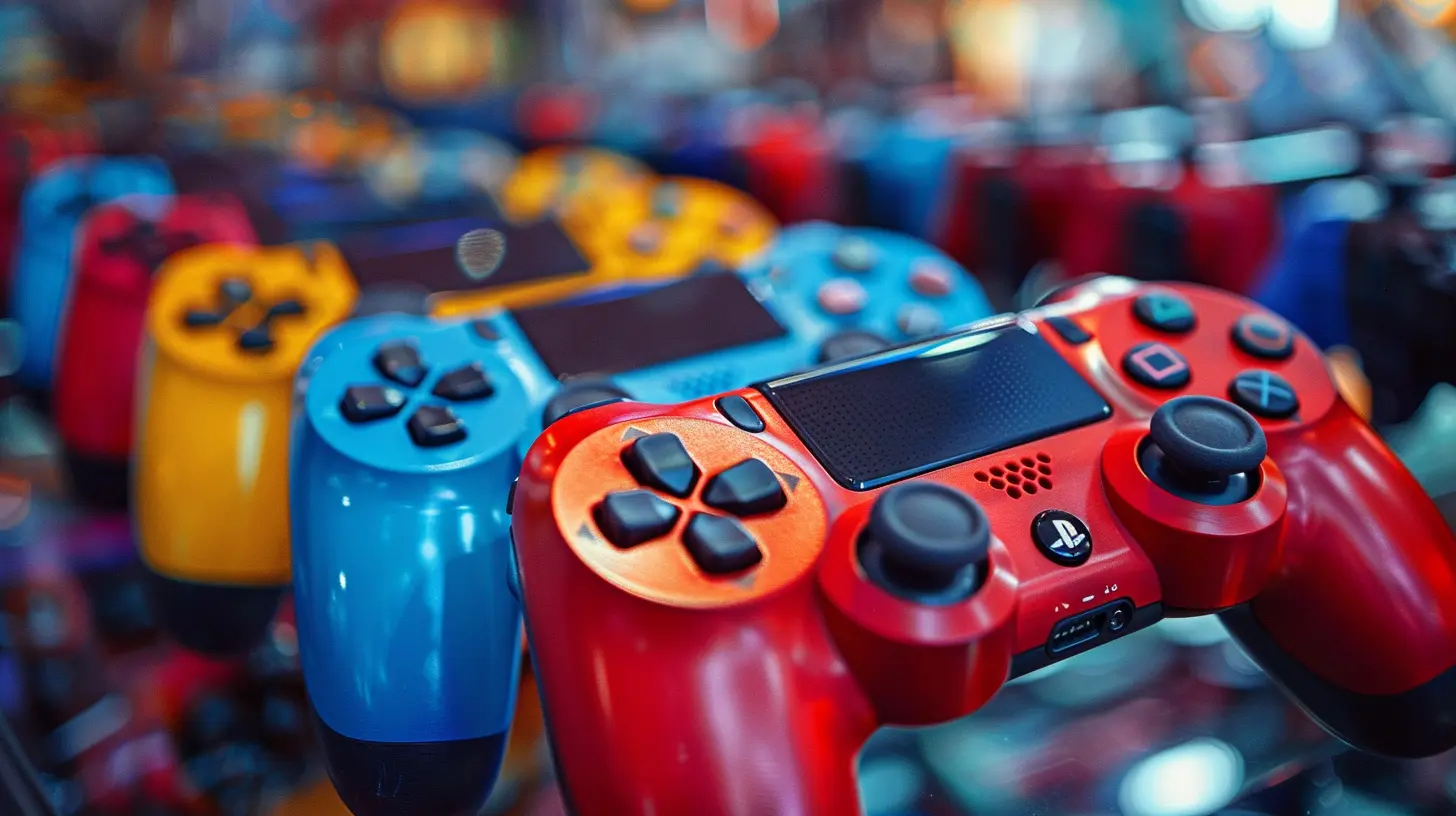
The Importance of Fun in Multiplayer Gaming
Let’s not forget the reason why most of us start gaming in the first place—it’s fun! Whether you're dodging shells in Mario Kart, building forts in Fortnite, or cracking up at your friend’s poor aim in Call of Duty, there's something about gaming that brings people together.Fun = Engagement
When a game is fun, you stay hooked. Developers know this and often design games with quirky mechanics or over-the-top visuals to keep you laughing or gasping in shock.Take Among Us, for instance. It’s not about who has the best reflexes or the most hours clocked in—it’s about lying your way to victory or figuring out who the impostor is while laughing at the absurdity of it all. That unpredictability? That’s where the fun lies.
Shared Laughter Brings People Together
Multiplayer games shine when they create memories. Who doesn’t remember their first chicken dinner in PUBG or that time your entire team botched a simple puzzle in Overcooked? It's those shared moments of joy (or collective failure) that stick with us.But too much focus on fun can sometimes lead to a lack of depth. If the stakes are always low, the satisfaction of achieving something truly meaningful fades. That’s where competition steps in.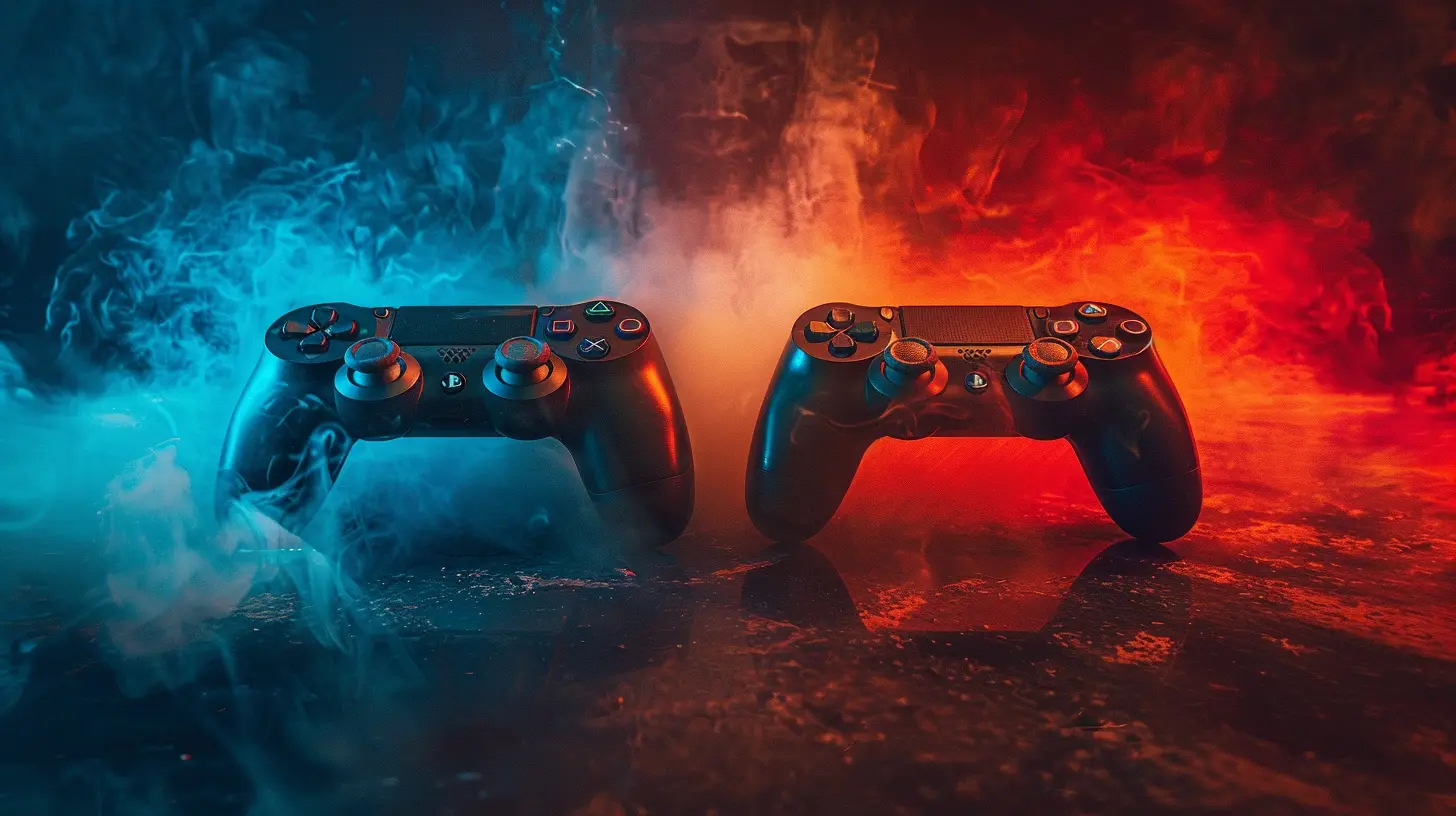
Embracing the Competitive Spirit
On the flip side, competition is the driving force that keeps many gamers coming back. Whether it’s climbing the ranks in League of Legends or finally defeating that impossible boss in Dark Souls, competition adds urgency and purpose to gaming.Why We Love the Challenge
Humans are wired to love challenges. It’s why we binge-watch reality shows where people compete for a prize or why we enjoy solving puzzles. In multiplayer gaming, competition fuels improvement. It pushes you to learn new strategies, master mechanics, and yes, sometimes rage-quit just so you can come back stronger.Think about esports—the global phenomenon dominated by games like Valorant, CS:GO, and DOTA 2. These games revolve around competitive play. The thrill of outsmarting your opponent, the satisfaction of a perfectly timed move, and the adrenaline of clutch moments are all part of the allure.
But Here's the Downside…
Competition can get… ugly. Nobody likes a toxic teammate yelling profanities because you made one mistake. The desire to win can sometimes overshadow the fun factor entirely, turning games into stress-inducing chores rather than enjoyable escapes.
Striking the Perfect Balance
So, how can we balance fun and competition in multiplayer gaming? Here are some insights to help both developers and players maintain harmony:1. Game Design Can Make or Break It
It’s all in the game design, honestly. Developers should create systems that cater to a wide range of players. Games like Rocket League nail this balance. You can casually play a quick match to unwind or dive into ranked matches to test your skills.Progression systems, skill-based matchmaking, and quirky game modes can all keep the experience fresh for both casual and competitive players. For example, Overwatch 2 has Quick Play for relaxing sessions and Competitive Mode for when you’re feeling hardcore.
2. Know When to Take a Break
As players, we need to recognize when the scales are tipping. Are you slamming your desk because some random 12-year-old no-scoped you for the tenth time? Time to take a breather! Gaming should feel rewarding, not frustrating.If you feel like you’re stuck in a rut, why not try playing a silly custom mode or switching to a more lighthearted game? Not every session has to be about climbing ranks or besting the competition.
3. Play With a Balanced Group
Gaming with friends who are on the same wavelength as you can make all the difference. If you're in the mood to chill, group up with those who just want to vibe and have fun. Want to go all-out competitive? Assemble a team that takes the game seriously but knows where to draw the line.Playing solo? Multiplayer games with a positive and supportive community—lookin' at you, Animal Crossing—can help offset the occasional toxic encounter.
4. Appreciate the Small Wins
You don’t always have to secure the MVP spot or dominate the scoreboard. Celebrate the little moments! Maybe it’s landing a crazy trick shot or successfully pulling off a hilarious tactic. Enjoy the journey, not just the destination.Multiplayer Gaming: A Place for Everyone
At the end of the day, multiplayer gaming doesn’t have to be a tug-of-war between fun and competition. Both aspects can (and should) coexist. Whether you’re the laid-back gamer who loves quirky mechanics or the competitive player climbing the ranks, there’s room for everyone at the digital table.Remember, games are supposed to be an escape, an adventure, and sometimes, a colossal mess of laughter and chaos. So the next time you're in a match, ask yourself: “Am I having fun?” If the answer is no, it might be time to recalibrate.
Final Thoughts
Balancing fun and competition in multiplayer gaming is like walking a tightrope—it requires awareness, effort, and a pinch of patience. But when done right, it creates an experience that’s not only deeply satisfying but also unforgettable.So, whether you're a casual gamer enjoying a quiet weekend session or a die-hard competitor chasing glory, let’s all remember why we fell in love with gaming in the first place: it’s about connection, challenge, and—most importantly—fun. See you out there, gamer!
all images in this post were generated using AI tools
Category:
Multiplayer GamesAuthor:

Brianna Reyes
Discussion
rate this article
2 comments
Pearl Spencer
This article adeptly highlights the delicate balance between fun and competition in multiplayer gaming. Striking this equilibrium is crucial for fostering engagement while ensuring a rewarding experience for all players.
January 28, 2026 at 4:27 PM
Brianna Reyes
Thank you for your insightful comment! I appreciate your recognition of the importance of balancing fun and competition in enhancing player engagement.
Emma McPhail
Who needs fun when we have spreadsheets?
January 25, 2026 at 4:34 PM
Brianna Reyes
While spreadsheets can be useful, they can't replace the joy and camaraderie that come from gaming. Balance is key!